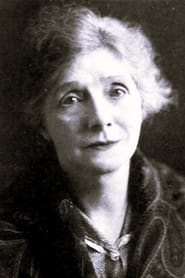
Edith Yorke
Actor
Born: December 23, 1866 in Derby, England Died: December 14, 1934 Active: 1920-1926 Birth Name: Edith Maud Yorke
Films
7 films
About Edith Yorke
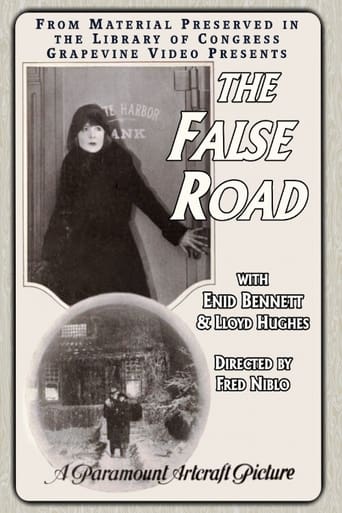
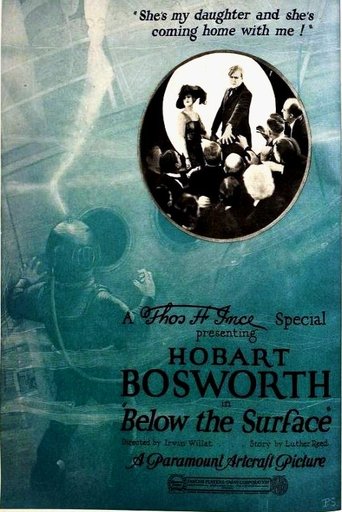
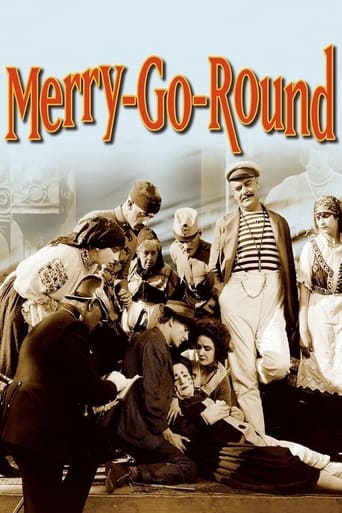
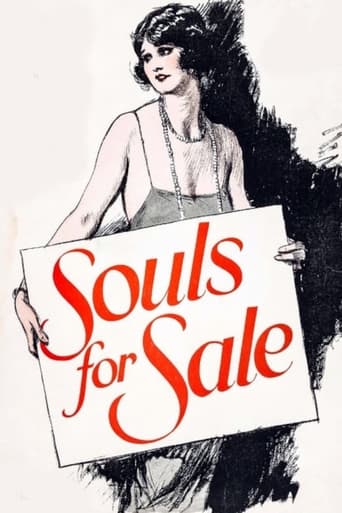
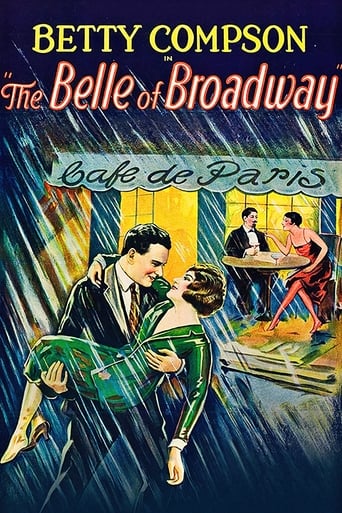
British character actress who successfully transitioned from the stage to silent cinema during the early 1920s. Born in Derby, England, she began her career as a stage actress in England before moving to the United States to pursue opportunities in the burgeoning film industry. Yorke made her film debut in 1920 with appearances in 'The False Road' and 'Below the Surface,' quickly establishing herself as a reliable supporting actress. Her most notable film work came in 1923 with significant roles in Erich von Stroheim's 'Merry-Go-Round' and the Hollywood satire 'Souls for Sale.' Throughout her brief but impactful film career from 1920 to 1926, she specialized in portraying aristocratic, motherly, and authoritative figures, bringing gravitas and refinement to her performances. Her final film appearance was in 'The Belle of Broadway' in 1926, after which she retired from acting. Yorke's career, though relatively short in film, represented the bridge between Victorian stage traditions and the emerging art of cinematic performance.
The Craft
On Screen
Classical stage technique adapted for silent cinema, specializing in dignified, aristocratic characters with refined gestures and expressive facial acting typical of the Victorian theatrical tradition
Milestones
- Stage career in England before transitioning to film
- Film debut in 'The False Road' (1920)
- Notable role in Erich von Stroheim's 'Merry-Go-Round' (1923)
- Appearance in Hollywood satire 'Souls for Sale' (1923)
- Final film appearance in 'The Belle of Broadway' (1926)
Best Known For
Iconic Roles
Must-See Films
Working Relationships
Worked Often With
Studios
Why They Matter
Impact on Culture
Edith Yorke represents the important transition of classically trained stage actors into the new medium of cinema during the silent era. As a British actress who successfully adapted Victorian theatrical techniques to the demands of film, she helped establish the archetype of the dignified character actress that would become essential to Hollywood storytelling. Her work in films like 'Merry-Go-Round' and 'Souls for Sale' contributed to the sophisticated, European-influenced cinema that characterized American silent films of the early 1920s. Yorke's career exemplifies how international talent enriched Hollywood's Golden Age, bringing cultural depth and theatrical refinement to American productions.
Lasting Legacy
Though her film career was brief, Edith Yorke's legacy lies in her contribution to the establishment of character acting as a vital component of silent cinema. She represents the generation of classically trained actors who brought legitimacy and artistic depth to the emerging film industry. Her performances in key films of the early 1920s serve as examples of how Victorian stage acting techniques were successfully adapted for the cinematic medium. Today, film historians and silent cinema enthusiasts recognize Yorke as part of the essential foundation of character acting that would become a cornerstone of Hollywood's storytelling tradition.
Who They Inspired
Edith Yorke influenced subsequent generations of character actresses by demonstrating how classical training could enhance film performances. Her dignified portrayals of aristocratic and maternal characters helped establish templates that would be followed by character actresses throughout Hollywood's Golden Age. While she did not directly mentor specific actors, her work in films like 'Merry-Go-Round' set standards for supporting performances that would influence how character roles were approached in cinema for decades to come.
Off Screen
Edith Yorke maintained a relatively private personal life throughout her career. As a British expatriate in Hollywood during the silent era, she was part of the community of European actors who found success in American cinema. She never married and dedicated her life entirely to her craft, first in theater and later in films. After retiring from acting in 1926, she lived quietly in Los Angeles until her death in 1934 at the age of 67.
Education
Classical stage training in England, likely through Victorian theater companies and acting schools of the late 19th century
Did You Know?
- Edith Yorke was already in her 50s when she began her film career, making her a late bloomer by Hollywood standards
- She was one of many British actors who found success in American silent films during the 1920s
- Her role in 'Merry-Go-Round' was directed by the legendary Erich von Stroheim, known for his exacting standards
- Despite her brief film career spanning only six years, she appeared in over a dozen films
- She was part of the transition from Victorian stage acting to the more naturalistic style required by cinema
- Her final film 'The Belle of Broadway' was released just as the sound era was beginning to emerge
- She never appeared in a sound film, retiring just before the major transition to talkies
- Like many silent era actors, her career was effectively ended by the advent of synchronized sound
Frequently Asked Questions
Who was Edith Yorke?
British character actress who worked in silent films during the early 1920s. She — classically trained stage actress who transitioned to cinema and specialized in portraying aristocratic and motherly figures in films like 'Merry-Go-Round' and 'Souls for Sale'.
What films is Edith Yorke best known for?
Titles linked here include Merry-Go-Round (1923), Souls for Sale (1923).
When was Edith Yorke born and when did she die?
Born December 23, 1866; died December 14, 1934.
What awards did Edith Yorke win?
Edith Yorke did not receive any major awards or nominations during her career. This was common for character actors in the silent era, particularly supporting actresses, as the major award systems had not yet been established during her active years.
What was Edith Yorke's acting style?
Edith Yorke's acting style was rooted in classical Victorian stage technique, which she adapted for silent cinema. She specialized in dignified, refined performances using expressive gestures and facial acting characteristic of theatrical training, making her particularly effective in aristocratic and maternal roles.
Why was Edith Yorke's film career so short?
Edith Yorke's film career was relatively brief (1920-1926) partly because she began acting in films at an older age and partly because she retired just as the sound era was beginning. Like many silent era actors, she may have found the transition to talkies challenging or simply chose to retire at that time.