Merry-Go-Round
"A nobleman, posing as a necktie salesman, falls in love with the daughter of…"
Keys: Space play/pause · ←/→ 10s · F fullscreen · M mute · </> speed
About this film
A nobleman, posing as a necktie salesman, falls in love with the daughter of a circus puppeteer, even though he is already married to the daughter of his country's war minister.
Cast & crew
More films like this

More Drama films
View all →







More from Rupert Julian
View all →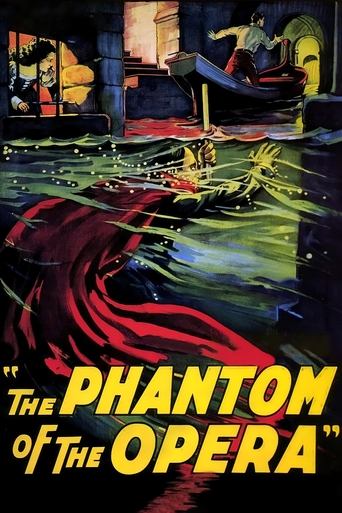
More about this film
About the production
Release dateOctober 29, 1923
Budget$150,000 (estimated)
Box officeUnknown - records not well documented for the period
ProductionUniversal Pictures Corporation
Filmed inUniversal Studios, Universal City, California, USA
The film was originally intended to be directed by Erich von Stroheim, who had begun production and completed some scenes. However, Universal Pictures executive Carl Laemmle fired von Stroheim due to his extravagant spending and slow pace, replacing him with Rupert Julian. This was a notorious incident in Hollywood history as von Stroheim was known for his perfectionism and attention to detail. The production was completed with significant changes to von Stroheim's original vision.
Themes
Class conflict and social boundariesDuty versus personal happinessDeception and identityThe corrupting influence of wealth and powerLove as a transformative force
Themes & topics
aristocratcircusforbidden lovearranged marriagedeceptionclass differencesViennapuppeteernoblemanromancemelodrama
Historical background
Released in 1923 during the late silent period, Merry-Go-Round reached audiences when exhibitors were still defining programming conventions. The narrative hook—A nobleman, posing as a necktie salesman, falls in love with the daughter of…—reflects what contemporary producers thought would draw viewers.
Why this film matters
Merry-Go-Round remains discussed by archivists tracing how screen stories of its period represented work, desire, conflict, and social order. Its central situation—A nobleman, posing as a necktie salesman, falls in love with the daughter of…—still prompts questions about genre conventions and audience expectations.
Making of
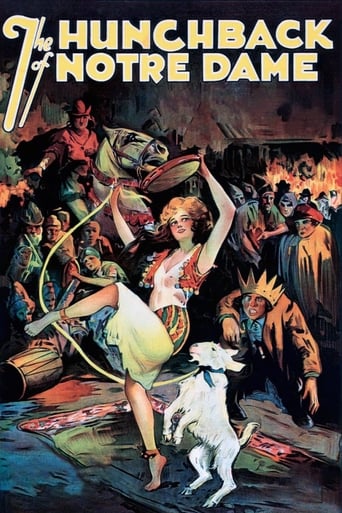
The production of 'Merry-Go-Round' was marked by one of early Hollywood's most notorious director firings. Erich von Stroheim, known as 'The Man You Love to Hate' for his demanding perfectionism and extravagant budgets, was originally hired to direct. He had already spent an estimated $100,000 on elaborate sets and costumes when Universal Pictures head Carl Laemmle visited the set. Horrified by von Stroheim's slow pace and mounting costs, Laemmle famously told him, 'You're fired!' and replaced him with Rupert Julian, who had just completed the successful 'The Hunchback of Notre Dame.' The cast was reportedly devastated by the change, as they had been working closely with von Stroheim for weeks. Julian had to complete the film using von Stroheim's existing footage and sets, though he made significant changes to the story's tone and pacing. The incident became in Hollywood as an early example of studio executives exercising creative control over directors.
What critics said
Trade and newspaper notices for Merry-Go-Round generally emphasized casting, spectacle, and program fit rather than extended aesthetic argument. Retrospective screenings and archival notes continue to shape how viewers evaluate Merry-Go-Round today.
Did you know?
- This was the first major film where Erich von Stroheim was fired as director during production, setting a precedent for studio intervention in creative control
- Mary Philbin was chosen for the lead role after her success in 'The Phantom of the Opera' (1925), though this film was actually released earlier
- The film's title 'Merry-Go-Round' refers to the circus setting where much of the romance takes place, symbolizing the circular nature of love and fate
- Norman Kerry and Mary Philbin would later star together again in 'The Phantom of the Opera' (1925)
- Some of von Stroheim's original footage was reportedly used in the final cut, though it's impossible to determine exactly which scenes
- The film was considered quite scandalous for its time due to its themes of adultery and class conflict
- Universal Pictures heavily promoted the film as having been 'directed by the man who brought you The Hunchback of Notre Dame' referring to Rupert Julian's work
- The original European setting was created entirely on Universal's backlot, as location shooting was rare and expensive in 1923
- The film featured elaborate circus sequences that required weeks of preparation and training of performers
- Despite the production troubles, the film was one of Universal's more prestigious productions of 1923
Awards & recognition
- No known awards for this film
Visual style
The film featured the distinctive cinematography style of the early 1920s, with dramatic lighting and carefully composed shots. The circus sequences utilized innovative camera movements for the time, including tracking shots that followed the performers. The visual contrast between the aristocratic world of Vienna and the colorful, chaotic world of the circus was emphasized through different lighting techniques and color tinting. Some scenes reportedly used von Stroheim's preferred naturalistic lighting style, while others reflected Julian's more theatrical approach. The film made effective use of shadows and silhouettes, particularly in the romantic scenes between the leads.
Innovations
The film featured elaborate set designs that were considered state-of-the-art for 1923, including a detailed recreation of a European circus and grand Viennese interiors. The production utilized innovative lighting techniques to create mood and atmosphere, particularly in the night scenes. The film also employed early forms of special effects, including matte paintings and double exposure techniques. The circus sequences required complex choreography and coordination between performers and camera operators, demonstrating the growing sophistication of film production techniques in the early 1920s.
Music
As a silent film, 'Merry-Go-Round' would have been accompanied by live musical accompaniment in theaters. The original score was composed by William Axt and compiled from various classical and popular pieces of the era. The music emphasized the film's romantic and dramatic elements, with waltzes for the Viennese scenes and more lively circus music for the carnival sequences. Modern screenings typically use newly composed scores or period-appropriate compiled scores to recreate the original viewing experience.
Famous quotes
In this world, we must all play our parts, even if our hearts speak a different truth." - Count Franz von Hohenegg
Love knows no station, no class, no boundary - only the truth of two hearts beating as one." - Agnes
A crown is but a burden when it weighs heavier than love itself." - Count Franz von Hohenegg
Memorable scenes
- The dramatic first meeting between Franz and Agnes at the circus, where he watches her perform with her puppets and is immediately captivated by her beauty and innocence; The tense confrontation scene where Franz must choose between his duty to his family and his love for Agnes; The climactic circus sequence where Franz reveals his true identity to Agnes amidst the chaos and color of the carnival performance
What audiences thought
The film was moderately successful at the box office, benefiting from Universal's marketing campaign and the popularity of its stars. Audiences particularly responded to Mary Philbin's performance and the film's romantic elements. The circus sequences were especially popular with viewers, who appreciated the spectacle and visual entertainment value. However, the film did not achieve the blockbuster status of other Universal productions from the same period. Modern audiences rarely have the opportunity to see the film due to its limited availability, but when screened at silent film festivals, it has been well-received by classic cinema enthusiasts who appreciate its historical significance and melodramatic charm.
Film connections
Influenced by
- European melodramas of the 1910s
- Viennese operetta traditions
- The works of Erich von Stroheim (particularly his visual style)
- Contemporary American society dramas
This film influenced
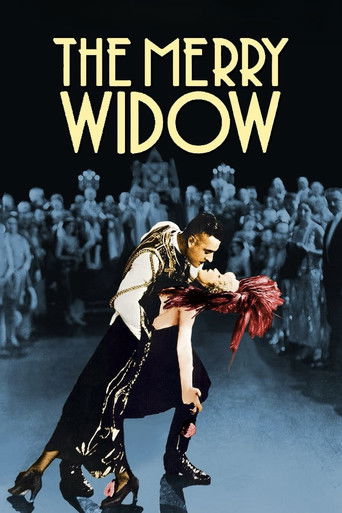
- The Merry Widow (1925)
- The Phantom of the Opera (1925) - through shared cast and similar romantic themes
- Circus films of the late 1920s
- Class-crossing romances of the early sound era
Film restoration
The film is partially preserved with some scenes missing. A complete version has not been found, though surviving footage exists in several archives including the Library of Congress and the UCLA Film and Television Archive. The available prints are of varying quality, with some sequences showing significant deterioration due to the nitrate film stock used in the 1920s. Restoration efforts have been limited due to the incomplete nature of the surviving materials.
Where to watch
- The film is occasionally screened at silent film festivals and classic cinema events
- Some public domain versions may be available on archival film websites
- The film can be accessed through specialized film archives and libraries
- Limited DVD releases through classic film distributors
- Streaming on some classic cinema platforms specializing in silent films