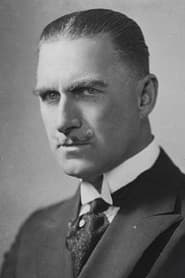
Rupert Julian
Actor & Director
Born: January 25, 1879 in Whangarei, New Zealand Died: December 27, 1943 Active: 1913-1934 Birth Name: Rupert Julian Thomas
Films
4 films
About Rupert Julian
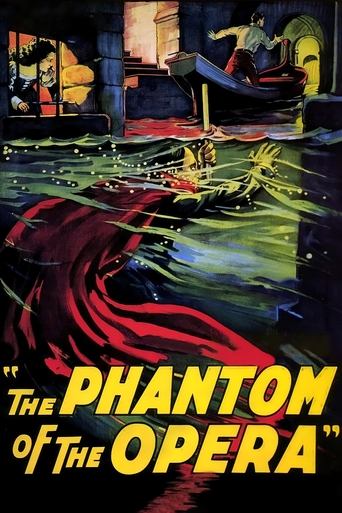
New Zealand-born actor and director who became a prominent figure in Hollywood's silent film era. Beginning his career as an actor in Australia, he moved to the United States in 1913 and soon transitioned into directing. Julian worked extensively for Universal Studios, where he developed a reputation for handling large-scale productions and atmospheric films. His most celebrated achievement remains the 1925 adaptation of 'The Phantom of the Opera,' starring Lon Chaney, which showcased his mastery of visual spectacle and gothic horror elements. Throughout his career, Julian directed over 60 films, ranging from melodramas to westerns, though his horror works remain his most enduring legacy. He successfully navigated the transition from silent films to early talkies before his career waned in the early 1930s. Julian's contributions to cinema, particularly in establishing visual horror conventions, have earned him a lasting place in film history despite his relative obscurity compared to some of his contemporaries.
The Craft
On Screen
As a silent era actor, Julian employed the dramatic, exaggerated gestures and facial expressions typical of the period, specializing in character roles that required strong physical presence and emotional intensity. His background in theater influenced his acting approach, emphasizing clear visual storytelling through movement and expression.
Behind the Camera
Julian was known for his visual flair and ability to create atmospheric tension, particularly in horror and melodrama. His directing emphasized grand spectacle, elaborate set designs, and innovative camera techniques for the time. He had a particular talent for extracting powerful performances from his actors, especially in emotionally charged scenes.
Milestones
- Transitioned from actor to director at Universal Studios
- Directed the landmark horror film The Phantom of the Opera (1925)
- Worked with horror icon Lon Chaney on multiple occasions
- Successfully directed over 60 films during the silent era
- Pioneered visual techniques in horror cinema
- Adapted to sound films in the early 1930s
Best Known For
Iconic Roles
Must-See Films
Accolades
Special Recognition
- Star on the Hollywood Walk of Fame for motion pictures
Working Relationships
Worked Often With
Studios
Why They Matter
Impact on Culture
Rupert Julian's 1925 version of 'The Phantom of the Opera' significantly influenced the horror genre, establishing visual and narrative conventions that would be emulated for decades. The film's use of elaborate makeup (Chaney's Phantom), gothic atmosphere, and dramatic lighting techniques became staples of horror cinema. His work helped establish Universal as a major horror studio, paving the way for their classic monster films of the 1930s. Julian's visual storytelling approach demonstrated how silent films could create powerful emotional responses without dialogue, influencing the development of cinematic language.
Lasting Legacy
Julian's legacy rests primarily on 'The Phantom of the Opera,' which remains. His directorial techniques, particularly in creating atmospheric tension and visual spectacle, influenced subsequent horror filmmakers. While he never achieved the fame of directors like Chaplin or Griffith, his contributions to establishing horror as a viable commercial genre in Hollywood were significant. His films continue to be studied by film historians and screened at classic film festivals, preserving his place in cinema history.
Who They Inspired
Julian's work on 'The Phantom of the Opera' influenced numerous horror directors, including James Whale and Tod Browning, who would later direct Universal's classic monster films. His visual approach to horror, emphasizing atmosphere and psychological terror over gore, became a template for the genre. The success of his horror work helped convince studios that horror could be both artistically respectable and commercially viable, leading to the golden age of horror films in the 1930s.
Off Screen
Rupert Julian married actress Elsie Jane Wilson in 1915, who often appeared in his films and later became a director herself. The couple had one child together. After his divorce from Wilson, he married actress Bess Flowers in 1925, though this marriage also ended in divorce. Julian spent his later years away from the film industry, living in Hollywood until his death from a heart attack at age 64.
Education
Limited formal education; trained in theater and acting in Australia before entering films
Family
- Elsie Jane Wilson (1915-1925)
- Bess Flowers (1925-1934)
Did You Know?
- Originally trained as a stage actor in Australia before moving to Hollywood
- His version of The Phantom of the Opera was the first film adaptation of Gaston Leroux's novel
- The famous unmasking scene in Phantom of the Opera reportedly caused audience members to faint in 1925
- Julian was replaced as director on The Man Who Laughs (1928) by Paul Leni, though he contributed to early production
- He was one of the few directors who successfully made the transition from actor to director in the silent era
- His films often featured strong female protagonists, unusual for the period
- Julian's Phantom of the Opera was
- He directed several films starring his wife Elsie Jane Wilson before she became a director herself
- Julian was known for his demanding directing style and perfectionism on set
- His later career suffered during the transition to sound, as he struggled to adapt to new filming techniques
In Their Own Words
The camera is the eye of the audience, and it must see what the heart should feel
In horror, what we don't see is often more terrifying than what we do
Silence is the greatest actor in the cinema of the heart
Frequently Asked Questions
Who was Rupert Julian?
New Zealand-born actor and on YTB.my. He worked primarily for Universal Studios and directed over 60 films during his career.
What films is Rupert Julian best known for?
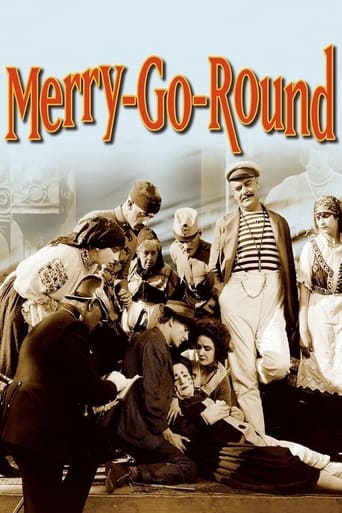
Titles linked here include The Phantom of the Opera (1925), Merry-Go-Round (1923).
When was Rupert Julian born and when did he die?
Born January 25, 1879; died December 27, 1943.
What awards did Rupert Julian win?
While Julian did not receive major film awards during his career (the Academy Awards were established late in his active period), he was honored with a star on the Hollywood Walk of Fame for his contributions to motion pictures.
What was Rupert Julian's directing style?
Julian was known for his visual flair and ability to create atmospheric tension, particularly in horror films. His style emphasized grand spectacle, elaborate set designs, and innovative camera techniques. He had a talent for extracting powerful performances from actors, especially in emotionally charged scenes.
Did Rupert Julian work with any famous actors?
Yes, Julian's most famous collaboration was with horror icon Lon Chaney in 'The Phantom of the Opera.' He also worked with other notable silent era actors including Mary Philbin, Norman Kerry, and his then-wife Elsie Jane Wilson.
How did Rupert Julian influence horror cinema?
Julian's 'The Phantom of the Opera' established many conventions of horror cinema that would be emulated for decades, including the use of elaborate makeup, gothic atmosphere, and dramatic lighting. His work helped establish Universal as a major horror studio and demonstrated horror's commercial viability.