Spottiswoode Aitken
Actor
Born: April 16, 1868 in Edinburgh, Scotland Died: February 26, 1933 Active: 1911-1925
Films
9 films

About Spottiswoode Aitken
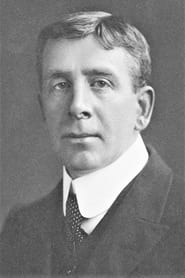
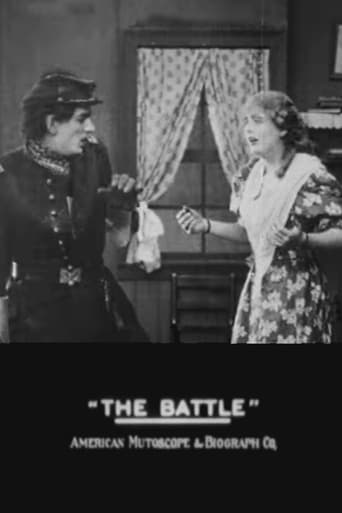
Scottish-American character actor who became recognizable faces in silent cinema through his extensive work with director D.W. Griffith. Born in Edinburgh, Scotland, Aitken began his career as a stage actor and drama teacher before transitioning to films in 1911, making his debut in 'The Battle.' He quickly became a member of Griffith's stock company at Biograph Studios, appearing in numerous landmark films including 'The Birth of a Nation' (1915) where he played the Cameron patriarch, and 'Intolerance' (1916) in multiple roles. Aitken specialized in portraying elderly gentlemen, fathers, judges, and authority figures, bringing a theatrical gravitas to his screen performances that helped legitimize the emerging art form of cinema. His over 100 films between 1911 and 1925, during which he worked with other notable directors like Tod Browning and Erich von Stroheim. After retiring from films, Aitken lived quietly in Los Angeles until his death in 1933, leaving behind a legacy as one of silent cinema's most reliable character actors.
The Craft
On Screen
Aitken brought a theatrical, dignified presence to his screen roles, drawing from his extensive stage background. His acting style was characterized by measured, deliberate movements and expressive facial features that conveyed authority and wisdom. He specialized in portraying patriarchal figures with a commanding yet gentle demeanor, using subtle gestures and controlled expressions to convey complex emotions. His performances often provided emotional anchors in Griffith's epic narratives, bringing credibility and gravitas to the emerging medium of cinema.
Milestones
- Joined D.W. Griffith's stock company at Biograph Studios
- Starred as Dr. Cameron in 'The Birth of a Nation' (1915)
- Appeared in multiple roles in 'Intolerance' (1916)
- Worked with director Tod Browning in several films
- Appeared in over 100 films during his 14-year career
Best Known For
Iconic Roles
Must-See Films
Accolades
Special Recognition
- Member of D.W. Griffith's prestigious stock company
- Recognized as one of silent cinema's most reliable character actors
Working Relationships
Worked Often With
Studios
Why They Matter
Impact on Culture
Spottiswoode Aitken played a significant role in establishing the credibility of cinema as an art form during its crucial developmental years. As one of D.W. Griffith's most trusted character actors, he helped demonstrate that film could accommodate complex, nuanced performances previously associated only with the legitimate stage. His work in controversial but historically significant films like 'The Birth of a Nation' and 'Intolerance' contributed to the evolution of cinematic storytelling and the development of feature-length narrative films. Aitken's dignified portrayals of patriarchal figures helped establish archetypes that would influence character acting in cinema for decades.
Lasting Legacy
Aitken's legacy endures through his contributions to some of the most important films in cinema history. As a member of Griffith's stock company, he was part of the group that essentially invented the language of narrative cinema. His performances in over 100 films helped establish the importance of character actors in supporting roles, demonstrating that ensemble casting could create more compelling cinematic narratives. Today, film historians and silent cinema enthusiasts recognize Aitken as a crucial figure in the transition from stage to screen acting, helping bridge the gap between theatrical traditions and the emerging art of film performance.
Who They Inspired
Aitken influenced subsequent generations of character actors by demonstrating how theatrical training could be adapted for the screen without losing dramatic impact. His work with Griffith helped establish acting techniques specific to cinema, particularly in conveying emotion through subtle facial expressions rather than the broad gestures required for stage performance. Younger actors in Griffith's company learned from his professional approach and ability to convey authority and wisdom on screen. His legacy can be seen in the countless character actors who followed, specializing in patriarchal roles and bringing gravitas to supporting parts.
Off Screen
Spottiswoode Aitken was married to actress Florence Aitken, who also appeared in several films during the silent era. The couple emigrated from Scotland to the United States in the early 1900s, settling first in New York where Aitken taught drama before transitioning to film acting. After establishing himself in Hollywood, Aitken became a respected member of the early film community, known for his professionalism and dedication to the craft. He lived a relatively private life away from the scandals that plagued many of his contemporaries, focusing instead on his work and family.
Education
Trained in classical theater and drama in Edinburgh, Scotland; worked as a drama teacher before entering films
Family
- Florence Aitken (married date unknown - until his death in 1933)
Did You Know?
- Born in Edinburgh, Scotland, the same city as fellow silent film star Harry Lauder
- Was a drama teacher before becoming an actor, teaching theatrical techniques in New York
- Appeared in both 'The Birth of a Nation' and 'Intolerance', Griffith's two most ambitious projects
- His wife Florence was also an actress who appeared in several of his films
- Retired from acting in 1925, five years before the transition to sound films
- Was one of the older members of Griffith's stock company, often playing characters much older than his actual age
- Worked with horror director Tod Browning in 'The Wicked Darling' (1919)
- His distinctive appearance with a full white beard made him instantly recognizable to silent film audiences
- Was part of the group of actors who followed Griffith from Biograph to the Reliance-Majestic Studios
- Died in Los Angeles at age 64, just as the Golden Age of Hollywood was beginning
In Their Own Words
While no direct quotes from Aitken survive in print, his performances in Griffith's films spoke volumes about his belief in the dignity and importance of character acting in cinema.
Frequently Asked Questions
Who was Spottiswoode Aitken?
Scottish-American character with credits in this catalog.W. Griffith. He specialized in playing elderly gentlemen, fathers, and authority figures in over 100 films between 1911 and 1925.
What films is Spottiswoode Aitken best known for?
Titles linked here include The Birth of a Nation (1915), Intolerance (1916).
When was Spottiswoode Aitken born and when did he die?
Born April 16, 1868; died February 26, 1933.
What awards did Spottiswoode Aitken win?
Aitken did not receive formal awards during his career, as the Academy Awards were not established until 1929, after his retirement. His recognition came through being a valued member of D.W. Griffith's prestigious stock company and his extensive filmography of over 100 movies.
What was Spottiswoode Aitken's acting style?
Aitken's acting style was rooted in his theatrical training, characterized by dignified, measured performances with expressive facial features and controlled gestures. He brought gravitas and authority to his roles as patriarchal figures, helping establish credibility for the emerging art of cinema.
How did Spottiswoode Aitken influence cinema?
Aitken influenced cinema by helping bridge the gap between stage acting and screen performance, demonstrating how theatrical techniques could be adapted for film. His work in Griffith's films contributed to the development of narrative cinema and established the importance of character actors in supporting roles.
Was Spottiswoode Aitken related to other famous actors?
No, Spottiswoode Aitken was not related to other famous actors, though his wife Florence Aitken was also an actress who appeared in several films. The name 'Aitken' is sometimes confused with other film industry figures, but Spottiswoode was unique in his contributions to silent cinema.