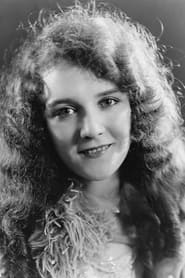
Mary Philbin
Actor
Born: July 16, 1902 in Brooklyn, New York, USA Died: May 7, 1993 Active: 1921-1932
Films
5 films
About Mary Philbin
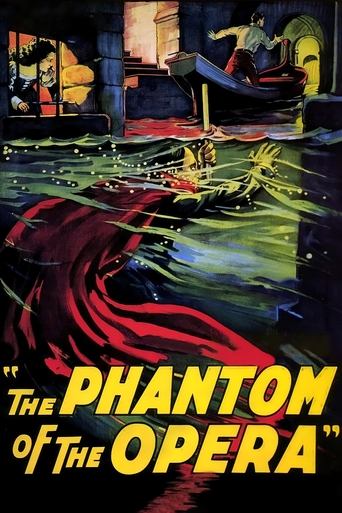
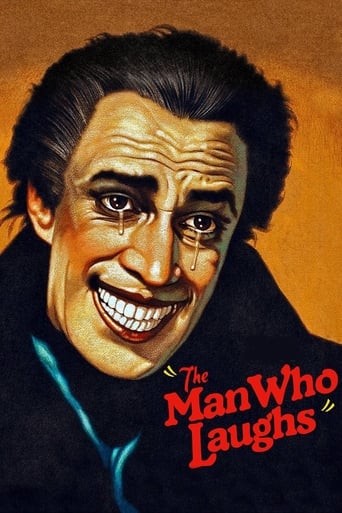
Celebrated American actress of the silent film era, discovered through a beauty contest sponsored by Universal Pictures in 1921. Her ethereal beauty and expressive eyes made her an ideal leading lady for the dramatic productions of the 1920s. Philbin's career reached its zenith with her starring role as Christine Daaé in Universal's landmark horror film 'The Phantom of the Opera' (1925), opposite Lon Chaney. She continued to be a prominent star throughout the mid-1920s, appearing in melodramas and romantic dramas that showcased her delicate screen presence. Her role as the blind Dea in 'The Man Who Laughs' (1928) would prove to be one of her last major film appearances. With the advent of sound, Philbin's career declined rapidly, partly due to her reported difficulty with vocal projection and the changing demands of the film industry. She made a few attempts at talkies but ultimately retired from acting in the early 1930s, living a private life away from Hollywood until her death in 1993.
The Craft
On Screen
Philbin was known for her delicate, ethereal screen presence and highly expressive eyes, which were particularly suited to the melodramatic style of silent cinema. Her acting emphasized emotional vulnerability and innocence, making her ideal for roles as tragic heroines and romantic leads. She employed subtle facial expressions and body language to convey complex emotions, a technique that served her well in the close-up shots favored by directors of the era. Her style was representative of the 'virginal' type popular in silent films, contrasting with the more vampish actresses of the period.
Milestones
- Won Universal's beauty contest leading to film contract (1921)
- Starred in 'The Phantom of the Opera' opposite Lon Chaney (1925)
- Appeared in 'The Man Who Laughs' with Conrad Veidt (1928)
- Became one of Universal's highest-paid stars of the 1920s
- Successfully transitioned from supporting roles to leading lady status
Best Known For
Iconic Roles
Must-See Films
Accolades
Won
- WAMPAS Baby Star (1923)
Special Recognition
- Hollywood Walk of Fame star (located at 6301 Hollywood Blvd)
Working Relationships
Worked Often With
Studios
Why They Matter
Impact on Culture
Mary Philbin played a significant role in establishing the horror genre as a legitimate dramatic form in American cinema through her performance in 'The Phantom of the Opera.' Her portrayal of Christine Daaé helped create the template for the female protagonist in horror films - innocent, vulnerable, yet resilient. The film's success, partly due to her believable performance, demonstrated that horror could be both artistically respectable and commercially viable. Her work in 'The Man Who Laughs' contributed to the visual language of German Expressionist cinema in Hollywood, influencing subsequent horror and film noir aesthetics. Philbin's career trajectory also exemplifies the challenges faced by silent film stars with the transition to sound, making her story representative of a broader industry transformation.
Lasting Legacy
Mary Philbin's legacy endures primarily through two landmark films that have become classics of horror cinema: 'The Phantom of the Opera' and 'The Man Who Laughs.' Her performance as Christine Daaé remains. The films she starred in are now studied as masterpieces of silent cinema and early horror, with her contributions recognized by film historians and preservationists. Her star on the Hollywood Walk of Fame ensures her place in cinematic history is remembered by new generations of film enthusiasts. The continued popularity of 'The Phantom of the Opera' story, with its numerous adaptations, keeps Philbin's original interpretation relevant in film history discussions.
Who They Inspired
Philbin influenced subsequent generations of horror film actresses through her establishment of the 'scream queen' archetype as a character with depth and emotional complexity rather than mere victimhood. Her naturalistic acting style within the melodramatic framework of silent films helped bridge the gap between theatrical and cinematic acting techniques. Her ability to convey terror and vulnerability through subtle expression influenced the visual language of horror cinema, particularly in the use of close-ups to heighten emotional impact. Later actresses in horror films, from Fay Wray to Jamie Lee Curtis, built upon the foundation of creating relatable, empathetic characters in terrifying situations that Philbin helped establish.
Off Screen
Mary Philbin remained unmarried throughout her life and was known for her devotion to her parents, with whom she lived for many years. She was described as a deeply private person who shunned the Hollywood social scene, preferring a quiet domestic life. After retiring from films, she dedicated herself to caring for her elderly mother and later lived a reclusive life in Huntington Beach, California. Despite her fame during the silent era, she rarely gave interviews about her film career in her later years, though she did attend some film preservation events and retrospectives. She maintained friendships with some of her former colleagues from the silent era and was respected for her dignity and grace in retirement.
Education
Attended public schools in Brooklyn, New York; no formal acting training reported
Did You Know?
- Was discovered through a beauty contest sponsored by Universal Pictures in 1921
- Was one of the WAMPAS Baby Stars of 1923, an annual selection of promising young actresses
- Her eyes were famously insured for $50,000 by Universal Pictures
- Reportedly turned down the lead role in 'The Jazz Singer' (1927)
- Was Universal's highest-paid female star during the mid-1920s
- Never married and lived with her parents until their deaths
- Made only one sound film, 'The Beloved Rogue' (1927), though it was released as a silent with synchronized score
- Was considered for the role of Mina in 'Dracula' (1931) but the role went to Helen Chandler
- Her final film appearance was in a small role in 'The Mask of Fu Manchu' (1932)
- Attended the 50th anniversary re-premiere of 'The Phantom of the Opera' in 1975
- Was a devout Catholic throughout her life
- Her performance in 'The Phantom of the Opera' was filmed in early Technicolor for the masquerade ball sequence
In Their Own Words
I was never really a star. I was just a girl who got lucky and happened to be in the right place at the right time.
The Phantom was not a monster to me. He was a man who was lonely and misunderstood, and I tried to show that in my performance.
Silent films were pure emotion. We had to tell the story with our eyes and our hearts, not our words.
When sound came, it changed everything. Some of us could make the transition, and some of us couldn't. I was one of the ones who couldn't.
Frequently Asked Questions
Who was Mary Philbin?
Prominent American actress of the silent film era, best known for her roles in Universal Pictures' horror classics 'The Phantom of the Opera' (1925) and 'The Man Who Laughs' (1928). Discovered through a beauty contest, she became one of Universal's biggest stars in the 1920s before retiring with the advent of sound films.
What films is Mary Philbin best known for?
Titles linked here include The Phantom of the Opera (1925), The Man Who Laughs (1928).
When was Mary Philbin born and when did she die?
Born July 16, 1902; died May 7, 1993.
What awards did Mary Philbin win?
Mary Philbin was named one of the WAMPAS Baby Stars of 1923, an annual award recognizing promising young actresses. She received a star on the Hollywood Walk of Fame for her contributions to the film industry, though she did not receive any major competitive acting awards during her career.
What was Mary Philbin's acting style?
Philbin was known for her delicate, ethereal screen presence and highly expressive eyes, which were perfect for the melodramatic style of silent cinema. She specialized in portraying innocent, vulnerable heroines and used subtle facial expressions to convey deep emotion, making her ideal for the dramatic roles she played in horror and romantic films.
Why did Mary Philbin's career end?
Mary Philbin's career declined with the transition to sound films in the late 1920s. She reportedly had difficulty with vocal projection and the new demands of talking pictures, making only one sound film. Like many silent film stars, she found it difficult to adapt to the new medium and chose to retire in the early 1930s.
Did Mary Philbin ever marry or have children?
No, Mary Philbin never married and had no children. She remained single throughout her life and lived with her parents for many years, dedicating herself to caring for them in their later years. She was known for her private, reclusive lifestyle after retiring from films.