
Foolish Wives
"first million-dollar movie"
Keys: Space play/pause · ←/→ 10s · F fullscreen · M mute · </> speed
About this film
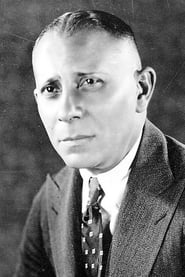
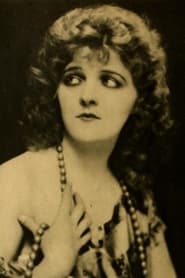
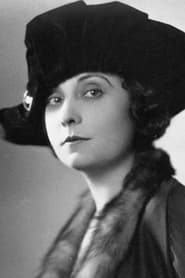
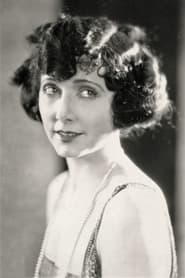
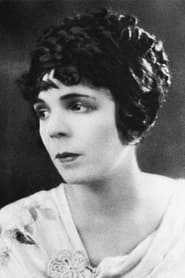
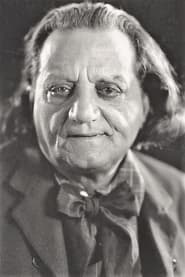
A man adopts the name and title of Count Wladislaw Sergius Karamzin to seduce rich women and extort money from them. He sets up shop in Monte Carlo, and we learn that his partners in crime (and possible lovers) are his cousins: "Princess" Vera Petchnikoff and "Her Highness" Olga Petchnikoff. Count Karamzin begins his latest scam on the unworldly wife of an American envoy, Helen Hughes, even though her husband is nearby.
Cast & crew
More films like this
More Drama films
View all →







More from Erich von Stroheim
View all →
More about this film
About the production
Release dateJanuary 11, 1922
Budget$1,100,000 (extraordinary for its time)
Box officeSuccessful but did not fully recoup its massive production costs
ProductionUniversal Pictures
Filmed inUniversal Studios lot, Universal City, California
Von Stroheim insisted on extraordinary realism and detail, building an exact replica of Monte Carlo on the Universal backlot, including a full-scale casino, hotel, and streets. He demanded authentic European props, costumes, and even had counterfeit money printed for scenes. The production took over a year to complete, with von Stroheim's perfectionism causing constant delays and budget overruns. The original footage reportedly ran for 6-7 hours, but Universal forced cuts to bring it down to theatrical length.
Themes
Deception and false identitiesMoral corruption beneath surface eleganceAmerican innocence vs. European decadenceThe destructive nature of greed and lustClass and social pretension
Themes & topics
con artistimpersonationseductionMonte Carlodiplomatadulteryfraudaristocracygamblingdeceptionmoral corruptiondownfall
Historical background
Foolish Wives (1922) emerged during the silent-film era. A man adopts the name and title of Count Wladislaw Sergius Karamzin to seduce rich women and extort money from them. Archival records and catalog entries help place the work within film-history surveys of the period.
Why this film matters
Preserved under Wikidata ID Q1116541, Foolish Wives is valued as a screen drama within catalog and archive collections. Wikipedia's "Foolish Wives" entry connect it to broader histories of cinema exhibition and restoration.
Making of
The production of 'Foolish Wives' became in Hollywood for von Stroheim's obsessive attention to detail and extravagant spending. He insisted on building an entire replica of Monte Carlo, complete with working casino, hotel, and surrounding buildings. Von Stroheim demanded that every costume be authentic European period wear, every prop be genuine, and every detail be historically accurate. He would often shoot dozens of takes of the same scene to achieve perfection. During filming, lead actor Rudolph Christians died of pneumonia, requiring von Stroheim to use a double and clever camera angles to complete his scenes. The director's battles with the studio over the film's excessive length and budget became the stuff of Hollywood legend, with von Stroheim reportedly locking himself in the editing room to prevent studio interference. Universal eventually took control and cut the film drastically against von Stroheim's wishes, leading to a bitter feud that would affect the rest of his career.
What critics said
Trade and archival sources offer limited day-one review coverage for Foolish Wives. Modern reception rests on its availability in collections, repertory screenings, and reference works that document 1922 cinema.
Did you know?
- Marketed as 'the first million-dollar movie,' though some dispute this claim as other films may have cost more
- Von Stroheim demanded such authenticity that he had real European furniture, antiques, and even marble bathtubs shipped to the set
- The Monte Carlo casino set was so elaborate and realistic that Universal kept it for years as a tourist attraction
- Von Stroheim reportedly wore the same expensive silk underwear throughout filming to maintain character continuity
- The film was banned in several states and cities for its sexual content and moral ambiguity
- Rudolph Christians, who played the diplomat husband, died during production and had to be replaced by a double for remaining scenes
- Von Stroheim fought constantly with Universal's production head Irving Thalberg over the film's length and content
- The title comes from the biblical proverb 'A foolish woman is clamorous' that von Stroheim adapted
- Von Stroheim's character was partly based on real European con artists who preyed on wealthy American tourists
- The film's excessive cost nearly bankrupted Universal and led to increased studio control over directors
Awards & recognition
- No Academy Awards existed in 1922, but the film received numerous honors from film organizations and critics' groups
Visual style
The cinematography by William H. Daniels and Ben F. Reynolds was revolutionary for its time, employing innovative camera techniques and lighting to create a sophisticated visual narrative. The film used extensive location-style shooting on the elaborate Monte Carlo sets, creating a sense of realism rarely seen in 1922. The cinematographers employed complex tracking shots, deep focus compositions, and dramatic lighting to enhance the psychological tension. The casino scenes featured elaborate lighting designs that captured the glamour and danger of gambling establishments. Von Stroheim insisted on naturalistic lighting whenever possible, avoiding the flat lighting common in many studio films of the era. The camera work often emphasized the contrast between surface elegance and underlying corruption, using shadows and reflections to create visual metaphors for the characters' duplicity.
Innovations
'Foolish Wives' was groundbreaking in its technical achievements, particularly in set design and production values. The Monte Carlo sets represented the most ambitious construction project in Hollywood up to that time, featuring full-scale buildings with working elevators, electricity, and plumbing. The film pioneered techniques in creating realistic urban environments on studio backlots. Von Stroheim's insistence on authenticity led to innovations in prop acquisition and costume design. The casino sequences featured sophisticated special effects for the gambling scenes. The film's editing techniques, particularly in the truncated version, influenced how complex narratives could be condensed while maintaining coherence. The production's scale demonstrated what was possible in American cinema and set new standards for Hollywood productions throughout the 1920s.
Music
As a silent film, 'Foolish Wives' was accompanied by live musical scores during its original theatrical run. Theaters typically used compiled scores featuring classical pieces by composers like Debussy, Ravel, and Tchaikovsky to evoke the European setting. Some larger theaters commissioned original compositions. The film's themes of deception and decadence were often underscored with waltzes and other European dance music. Modern restorations have been accompanied by newly commissioned scores from composers who specialize in silent film music, typically using orchestral arrangements that reflect the film's sophisticated European setting while incorporating contemporary musical sensibilities. The music plays a crucial role in establishing the film's mood of elegance masking corruption.
Famous quotes
I am Count Wladislaw Sergius Karamzin. At your service.
In Monte Carlo, everyone is what they pretend to be.
A woman's virtue is like a new dress - once worn, never quite the same.
Money is the only aristocracy left in the world.
I cheat, I lie, I steal - but I do it with style.
Memorable scenes
- The opening sequence establishing the elaborate Monte Carlo set with the Count's grand entrance
- The casino scenes where von Stroheim's character demonstrates his gambling prowess and predatory nature
- The seduction scene between the Count and Helen Hughes, masterfully conveying sexual tension without explicit content
- The climactic exposure scene where the Count's true identity is revealed and his world collapses
- The final confrontation in the hotel suite where all deceptions are unveiled
What audiences thought
Audiences in 1922 were drawn to the film by its sensational marketing as 'the first million-dollar movie' and its scandalous reputation. The film was a box office success, though not enough to fully justify its enormous budget. Contemporary audiences were both shocked and fascinated by its sexual content and moral ambiguity, with many viewing it as a glimpse into the decadent European lifestyle they had only heard about. The film's sophisticated themes appealed to urban, middle-class audiences who were embracing cinema as a legitimate art form. However, more conservative viewers and groups in smaller communities found the content offensive, leading to boycotts and bans in several areas. Modern audiences who discover the film through revivals and home video are often impressed by its technical sophistication and psychological complexity, though some find the pacing slow by contemporary standards.
Film connections
Influenced by
- European literary realism
- German Expressionist cinema
- Victorian melodrama
- Contemporary newspaper accounts of European con artists
- Von Stroheim's own experiences in pre-war Europe
This film influenced
- Sunset Boulevard
- von Stroheim's similar role as a fallen aristocrat)
- The Last Command
- similar themes of fallen nobility)
- Grand Hotel
- multiple storylines in European setting)
- The Great Gatsby
- themes of wealth and deception)
- The Sting
- con artist protagonist)
Film restoration
The film survives in a truncated version of approximately 117 minutes. The original 6-7 hour cut is lost, though some scripts and continuity materials exist. The surviving version has been preserved by the Library of Congress and selected for the National Film Registry. Various restoration efforts have been undertaken, with the most complete version available on home video. Some lost scenes exist as still photographs and continuity scripts, giving some indication of von Stroheim's original vision. The film's preservation status represents one of the great losses in cinema history.
Where to watch
- Available on Blu-ray and DVD from The Criterion Collection
- Streaming on The Criterion Channel
- Available for digital purchase on Amazon Prime Video and iTunes
- Occasionally screened at film festivals and cinematheques
- Some public domain versions exist on YouTube but are of inferior quality