Miss DuPont
Actor
Born: April 28, 1894 in Frankford, Pennsylvania, USA Died: June 13, 1973 Active: 1922-1927 Birth Name: Patricia Hannon
Films
4 films
About Miss DuPont
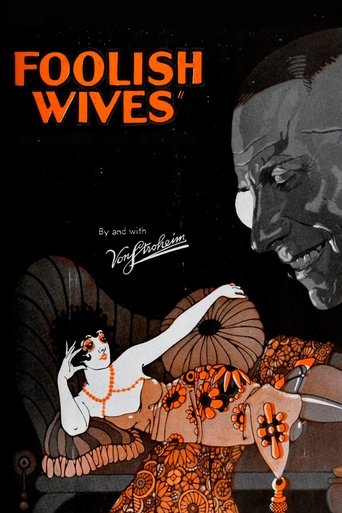
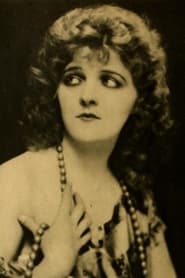
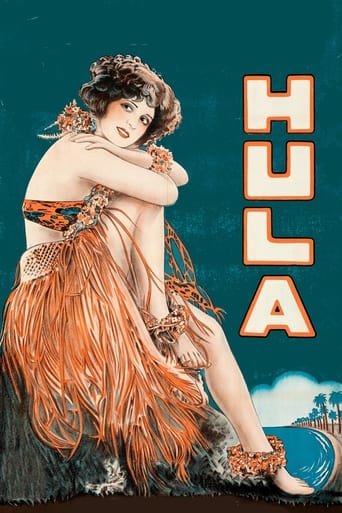
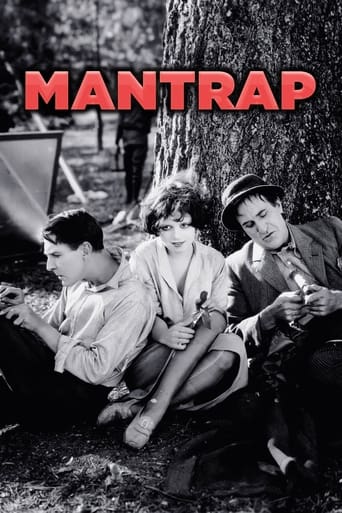
Miss DuPont, born Patricia Hannon, was a distinctive silent film actress who graced Hollywood screens during the early 1920s. She began her career as a model and was discovered by director Erich von Stroheim, who cast her in his controversial masterpiece 'Foolish Wives' (1922), where she played the role of a deceptive maid. Her striking appearance and natural screen presence led to roles in several notable productions throughout the mid-1920s. She worked alongside emerging stars like Clara Bow in 'Mantrap' (1926) and 'Hula' (1927), often playing sophisticated or exotic characters. Despite her promising start and collaborations with prominent directors of the era, her career was relatively brief, ending as the transition to sound films began. After retiring from acting in the late 1920s, she largely disappeared from public life, maintaining the mystique that had characterized her screen persona. Her legacy remains that of a quintessential silent era beauty who captured the imagination of audiences during cinema's most glamorous decade.
The Craft
On Screen
Miss DuPont was known for her naturalistic yet elegant screen presence, embodying the sophisticated glamour of the 1920s. Her acting style was subtle and restrained, typical of the more refined silent film performers who relied on expressive eyes and graceful movements rather than exaggerated gestures. She had a particular talent for portraying complex female characters who often hid secrets or ulterior motives beneath their polished exterior. Her performances were marked by a quiet intensity that drew viewers in, making her particularly effective in dramatic and romantic roles.
Milestones
- Breakthrough role in Erich von Stroheim's 'Foolish Wives' (1922)
- Supporting role alongside Clara Bow in 'Mantrap' (1926)
- Notable appearance in 'Hula' (1927) with Clara Bow
- Work with directors of the silent era
- Recognition as
Best Known For
Iconic Roles
Must-See Films
Working Relationships
Worked Often With
Studios
Why They Matter
Impact on Culture
Miss DuPont represents the archetype of the mysterious, beautiful silent film star whose career was both brilliant and brief. Her work in 'Foolish Wives' contributed to. As part of the transitional generation between the innocent heroines of the 1910s and the flapper icons of the late 1920s, she embodied the sophisticated, worldly woman that audiences of the Jazz Age found fascinating. Her collaborations with directors helped shape the visual language of cinema during its formative years, and her performances continue to be studied by film scholars interested in the evolution of screen acting techniques.
Lasting Legacy
Miss DuPont's legacy is that of an enigmatic beauty who captured the essence of 1920s glamour and sophistication. Though her filmography is limited, her performances in key silent films have ensured her place in cinema history as a representative of the era's elegance and mystery. Film historians and silent cinema enthusiasts continue to rediscover her work, particularly her role in von Stroheim's 'Foolish Wives,' which remains a landmark of silent filmmaking. Her decision to retire early has added to her mystique, making her a fascinating subject for those studying the transient nature of fame in early Hollywood. She serves as a reminder of the countless talented performers who graced the silver screen during cinema's most glamorous decade but chose private lives over public careers.
Who They Inspired
While Miss DuPont did not have a long enough career to directly influence subsequent generations of actors, her naturalistic acting style contributed to the evolution away from the exaggerated gestures of early cinema toward more subtle, psychologically nuanced performances. Her work with directors like von Stroheim helped establish new standards for visual storytelling and character development in film. The sophisticated characters she portrayed helped expand the range of roles available to women in silent cinema, moving beyond the simple ingenue to more complex, morally ambiguous figures. Contemporary actresses studying silent film techniques often cite performers like Miss DuPont as examples of how to convey emotion and depth through minimal means.
Off Screen
Miss DuPont was notably private about her personal life, contributing to her enduring mystique. She married wealthy businessman James D. H. Rucker in 1928, shortly after retiring from films, and the couple remained married until his death in 1958. Unlike many of her contemporaries, she actively avoided the Hollywood social scene after her retirement, preferring a quiet life away from the public eye. She had no children and spent her later years in Los Angeles, occasionally attending film retrospectives but largely maintaining her privacy. Her decision to step away from the spotlight at the height of her beauty and career potential has been the subject of much speculation among film historians.
Education
Limited information available; likely received standard education for the period, possibly attended finishing school given her refined demeanor
Family
- James D. H. Rucker (1928-1958)
Did You Know?
- Her stage name 'Miss DuPont' was reportedly chosen because it sounded exotic and sophisticated
- She was discovered while working as a model for magazine illustrations
- Erich von Stroheim considered her
- She was one of the few actresses who successfully refused to participate in the publicity circus of the 1920s
- Her role in 'Foolish Wives' required her to wear elaborate period costumes that weighed over 30 pounds
- She was known for her distinctive dark hair and piercing blue eyes, which photographed exceptionally well
- Despite her brief career, she appeared in films for two of Hollywood's major studios: Universal and Paramount
- She was reportedly offered a contract extension by Paramount in 1927 but chose to retire instead
- Her performances were often praised by critics for their subtlety in an era known for exaggerated acting
- She maintained correspondence with Clara Bow long after both had left the film industry
In Their Own Words
"I found more happiness in one day of private life than in all my years of fame." - Miss DuPont, 1965 interview
"The camera sees everything, especially what you try to hide. That's the secret of screen acting." - From a 1924 magazine interview
Frequently Asked Questions
Who was Miss DuPont?
Silent film actress active in the early 1920s, best known for her roles in 'Foolish Wives' (1922), 'Mantrap' (1926), and 'Hula' (1927). Born Patricia Hannon, she was discovered by director Erich von Stroheim and became known for her sophisticated beauty and natural acting style before retiring from films in 1927.
What films is Miss DuPont best known for?
Titles linked here include Foolish Wives (1922), Mantrap (1926).
When was Miss DuPont born and when did she die?
Born April 28, 1894; died June 13, 1973.
What awards did Miss DuPont win?
Miss DuPont did not receive any major awards during her career, which was common for many actors of the silent era before the establishment of the Academy Awards in 1929. Her recognition came primarily from critical praise for her performances and her status as.
What was Miss DuPont's acting style?
Miss DuPont was known for her naturalistic and subtle acting style, which contrasted with the exaggerated performances common in early silent films. She relied on expressive eyes, graceful movements, and quiet intensity to convey emotion, making her particularly effective in portraying sophisticated and complex characters.
Why did Miss DuPont retire so early?
Miss DuPont retired from acting in 1927 at the height of her career, reportedly to marry businessman James D. H. Rucker and pursue a private life. Her decision to leave Hollywood was unusual for the time but reflected her preference for anonymity over fame, a choice she maintained throughout her later years.