
Malvina Polo
Actor
Born: July 3, 1903 in New York City, New York, USA Died: January 5, 2000 Active: 1922-1923
Films
2 films
About Malvina Polo
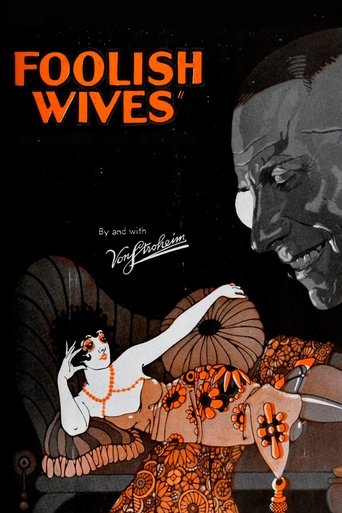
Silent film actress who had a brief but notable career during the early 1920s, appearing in two significant films that showcased the work of cinema's most innovative directors. She first gained attention in Erich von Stroheim's controversial and ambitious production 'Foolish Wives' in 1922, where she played a supporting role in the film that was promoted as 'the first million-dollar movie.' Her second and final credited appearance came in Charlie Chaplin's dramatic departure from comedy, 'A Woman of Paris: A Drama of Fate' in 1923, a film that Chaplin directed but did not star in, instead focusing on showcasing dramatic performances. Despite working with two of the most demanding and visionary directors of the silent era, Polo's career was remarkably brief, spanning only these two years. Her performances, while not leading roles, placed her at the center of cinema that was pushing artistic boundaries in the early 1920s. After 1923, she seemingly vanished from the film industry, making her one of many silent era performers whose time in the spotlight was as fleeting as it was intriguing. Her disappearance from cinema remains a mystery, leaving film historians to wonder about the circumstances that led to such a premature end to a promising career that had already placed her in the company of cinema's greatest innovators.
The Craft
On Screen
While limited documentation exists about her specific acting technique, Malvina Polo appeared to embody the dramatic, expressive style typical of silent era performers. Her work in 'A Woman of Paris' suggested she was capable of the subtle, nuanced performances that Chaplin demanded from his actors, moving away from the exaggerated gestures common in earlier silent films. In 'Foolish Wives,' under von Stroheim's meticulous direction, she likely employed the naturalistic acting style that the director was known for demanding, which emphasized psychological realism over theatricality.
Milestones
- Appeared in Erich von Stroheim's 'Foolish Wives' (1922)
- Cast in Charlie Chaplin's 'A Woman of Paris' (1923)
- Worked with two of silent cinema's most innovative directors
- Participated in groundbreaking films that pushed cinematic boundaries
Best Known For
Iconic Roles
Must-See Films
Working Relationships
Worked Often With
Studios
Why They Matter
Impact on Culture
Malvina Polo's cultural impact, while limited by her brief career, lies in her participation in two of the most significant films of the early 1920s that helped shape cinematic language. 'Foolish Wives' was groundbreaking in its elaborate production values and psychological complexity, while 'A Woman of Paris' revolutionized the romantic drama genre and demonstrated that comedy directors could excel in serious filmmaking. Her presence in these films places her within the historical context of cinema's transition from simple entertainment to sophisticated art form. Though she was not a star, she was part of productions that influenced countless filmmakers and established new standards for what cinema could achieve as an artistic medium.
Lasting Legacy
Malvina Polo's legacy is that of a silent era enigma - an actress who briefly touched greatness by working with two of cinema's most important pioneers before disappearing from the industry. Her story represents the countless performers who contributed to early cinema's development but whose names have been largely lost to time. Film historians and silent cinema enthusiasts remember her primarily through her association with von Stroheim and Chaplin, making her a footnote in the careers of these legendary directors. Her brief filmography serves as a reminder of the transient nature of fame in early Hollywood and the many talented individuals who passed through the industry during its formative years.
Who They Inspired
Given her extremely brief career and limited body of work, Malvina Polo's direct influence on other actors or filmmakers appears to be minimal. However, her participation in groundbreaking films that influenced generations of cinema artists indirectly connects her to the broader evolution of film acting and production. The techniques and approaches she would have learned working under von Stroheim's meticulous direction and Chaplin's innovative methods represent the cutting edge of silent era performance, even if she didn't have the opportunity to pass these lessons on to others through a longer career.
Off Screen
Malvina Polo was born into a family with connections to the entertainment industry, as her father was the famous circus clown Paul Wittgenstein, known professionally as Paul Polo. This artistic background likely influenced her pursuit of a career in performing arts. After her brief film career ended in 1923, she seemingly retreated from public life and the entertainment industry entirely. Details about her later life remain scarce, but she lived to be 96 years old, passing away in 2000, which means she outlived the silent era by more than seven decades. Her long life stood in stark contrast to her remarkably brief time in the spotlight.
Education
No specific educational records are available, but given her family background in circus and performance arts, she likely received early training in performance disciplines.
Did You Know?
- Her father was Paul Wittgenstein, the famous circus clown known professionally as Paul Polo
- She appeared in two films that are now considered classics of silent cinema
- Both of her films were directed by legendary filmmakers who were also actors
- Her entire film active years covered only two years
- She worked on 'Foolish Wives,' which was famously advertised as 'the first million-dollar movie'
- She was part of Charlie Chaplin's first dramatic film, which he directed but did not star in
- She lived to be 96 years old, outliving the silent era by more than seven decades
- Her career ended before the transition to sound films began
- She is one of many silent era actors whose complete biographical details remain elusive
- Her disappearance from films after 1923 remains unexplained in film history records
Frequently Asked Questions
Who was Malvina Polo?
Silent film actress who had a brief but notable career in the early 1920s, appearing in two significant films: Erich von Stroheim's 'Foolish Wives' (1922) and Charlie Chaplin's 'A Woman of Paris' (1923). She was the daughter of circus clown Paul Polo and worked with two of cinema's most innovative directors before disappearing from the industry entirely.
What films is Malvina Polo best known for?
Titles linked here include Foolish Wives (1922), A Woman of Paris: A Drama of Fate (1923).
When was Malvina Polo born and when did she die?
Born July 3, 1903; died January 5, 2000.
What awards did Malvina Polo win?
There are no recorded awards or nominations for Malvina Polo, which was not uncommon for supporting actors in the early 1920s, especially those with such brief careers. The Academy Awards were not established until 1929, after her career had already ended.
What was Malvina Polo's acting style?
While limited documentation exists about her specific technique, Malvina Polo likely employed the dramatic, expressive style typical of silent era performers. Working under von Stroheim's meticulous direction and Chaplin's innovative approach, she would have been expected to deliver naturalistic, psychologically nuanced performances rather than the exaggerated gestures common in earlier silent films.