
Rudolph Christians
Actor
Born: January 11, 1869 in Hamburg, Germany Died: February 13, 1922 Active: 1922-1922
Films
1 film
About Rudolph Christians
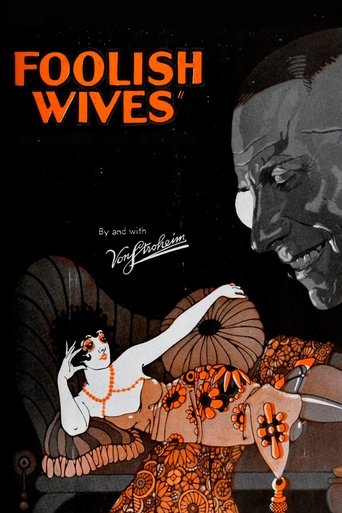
German-American actor: career, though tragically brief, on silent cinema history. Born in Germany in the late 19th century, he began his acting career on the stage before transitioning to film during the silent era. His most significant and ultimately final role was in Erich von Stroheim's controversial masterpiece 'Foolish Wives' (1922), where he portrayed the character of Andrew J. Hughes, the American envoy whose wife becomes the object of von Stroheim's character's seduction. Christians brought a dignified, understated presence to the role, providing the moral center of the film's complex narrative about deception and infidelity. Tragically, he died during the production of 'Foolish Wives' from pneumonia, making the film his sole cinematic legacy. His death necessitated the use of a double for some scenes, and the film was dedicated to his memory. Despite having only one major film credit, Christians' performance in what was then the most expensive film ever made secured his place in cinema history as a memorable figure from the golden age of silent film.
The Craft
On Screen
Christians employed a naturalistic, understated acting style that contrasted with the more theatrical performances common in silent cinema. His screen presence was characterized by a dignified restraint and emotional authenticity, making his character relatable and sympathetic. He had the ability to convey complex emotions through subtle facial expressions and body language, which was particularly effective in his role as the wronged husband in 'Foolish Wives'. His approach to acting aligned with the emerging realism movement in film, moving away from the exaggerated gestures typical of earlier silent film performances.
Milestones
- Starred in Erich von Stroheim's 'Foolish Wives' (1922)
- Portrayed the lead role of Andrew J. Hughes
- Performed in what was then the most expensive film ever made
Best Known For
Iconic Roles
Must-See Films
Accolades
Special Recognition
- Film dedicated to his memory after his death during production
Working Relationships
Worked Often With
Studios
Why They Matter
Impact on Culture
Rudolph Christians, despite having only one major film credit, contributed to a pivotal moment in cinema history through his role in 'Foolish Wives'. The film was groundbreaking in its budget, production values, and psychological complexity, pushing the boundaries of what silent cinema could achieve. Christians' performance as the wronged husband provided the emotional anchor for von Stroheim's exploration of morality and decadence, helping establish the template for sophisticated psychological dramas in film. His death during production became part of Hollywood lore, highlighting the often harsh conditions faced by actors in early cinema. The dedication of the film to his memory set a precedent for honoring cast members who died during production, a practice that continues in the film industry today.
Lasting Legacy
Rudolph Christians' legacy is inextricably linked to 'Foolish Wives',. Though his career consisted of essentially this one major performance, his contribution to cinema history is preserved through this groundbreaking work. Film historians and silent cinema enthusiasts continue to study his performance as an example of the more naturalistic acting style that was emerging in the 1920s. His tragic story adds a poignant layer to the film's history, serving as a reminder of the human cost behind cinematic masterpieces. Christians represents the many talented actors of the silent era whose potential was never fully realized due to the circumstances of their time, making his preserved performance all the more precious to film history.
Who They Inspired
While Rudolph Christians' brief career prevented him from directly mentoring or influencing other performers, his naturalistic acting style in 'Foolish Wives' exemplified the move toward more realistic performances in silent cinema. His approach contrasted with the more theatrical acting common in earlier films, aligning with the evolving tastes of audiences and critics who increasingly preferred subtler, more psychologically nuanced performances. The film itself influenced countless filmmakers and actors who studied its techniques and characterizations. Christians' performance, though limited in quantity, demonstrated how restraint and authenticity could create powerful emotional impact on screen, influencing subsequent generations of actors who studied silent film techniques.
Off Screen
Rudolph Christians led a relatively private life away from the spotlight, with most details about his personal circumstances remaining obscure. He was married and had children, though specific details about his family life are not well-documented in historical records. His transition from stage acting in Germany to film in America represented a significant career move that was cut tragically short. Christians was known among his colleagues as a dedicated professional who approached his craft with seriousness and commitment. His untimely death at the age of 53 during the production of his only major film left many wondering what other performances he might have delivered had he lived longer.
Education
Information about his formal education is not documented in available historical sources, though he likely received theatrical training in Germany given his stage background.
Family
- Information not available in historical records
Did You Know?
- Died of pneumonia during the filming of 'Foolish Wives', requiring the use of a body double for some remaining scenes
- 'Foolish Wives' was the most expensive film ever made at the time of its production, costing approximately $1.1 million
- The film was advertised as 'The First Million Dollar Picture' due to its unprecedented budget
- Director Erich von Stroheim was notoriously demanding on set, which may have contributed to the difficult shooting conditions
- Christians was 53 years old when he made his film debut, relatively old for a leading man in silent cinema
- His death occurred before the film's premiere, making 'Foolish Wives' a posthumous release
- The film's dedication to Christians reads: 'Dedicated to the memory of Rudolph Christians'
- Despite his German birth, Christians played an American character in 'Foolish Wives'
- His stage background likely contributed to his commanding screen presence in his only major film role
- The film's production took over a year to complete, partly due to von Stroheim's perfectionism and Christians' illness
In Their Own Words
No recorded quotes from Rudolph Christians are available in historical sources, as was common for many supporting actors of the silent era who did not give interviews or leave behind written statements.
Frequently Asked Questions
Who was Rudolph Christians?
German-American with credits in this catalog. Hughes in Erich von Stroheim's 1922 film 'Foolish Wives'. Though his career was tragically brief, he made a significant impact through his performance in what was then the most expensive film ever made.
What films is Rudolph Christians best known for?
Titles linked here include Foolish Wives (1922).
When was Rudolph Christians born and when did he die?
Born January 11, 1869; died February 13, 1922.
What awards did Rudolph Christians win?
Rudolph Christians did not receive any formal awards during his lifetime, as his career consisted of only one major film. However, 'Foolish Wives' was dedicated to his memory after his death, serving as an honor to his contribution to the film.
What was Rudolph Christians' acting style?
Christians employed a naturalistic, understated acting style that contrasted with the more theatrical performances common in early silent cinema. His dignified restraint and emotional authenticity made his character relatable and sympathetic in 'Foolish Wives'.