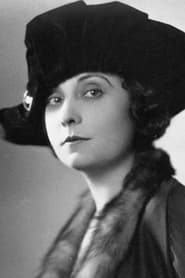
Maude George
Actor
Born: August 15, 1888 in Riverside, California, USA Died: October 10, 1963 Active: 1915-1928 Birth Name: Maud George
Films
5 films

About Maude George
Maude George is credited on a single production — Foolish Wives (1922). Despite her relatively brief period of stardom, George on several classic silent films that continue to be studied and admired by film scholars today.
The Craft
On Screen
Maude George was known for her naturalistic and subtle acting style, which stood out in an era often characterized by exaggerated gestures and melodramatic performances. She possessed a remarkable ability to convey complex emotions through facial expressions and body language, making her particularly effective in close-ups. Her screen presence was sophisticated and worldly, allowing her to portray aristocratic women with authenticity. George had a talent for playing morally ambiguous characters, bringing depth and nuance to roles that could have easily become one-dimensional caricatures. Her performances were marked by a quiet intensity and psychological realism that foreshadowed the more naturalistic acting styles that would become prevalent in later decades.
Milestones
- Breakthrough role in 'Blue Blazes' Rawden (1918) opposite William S. Hart
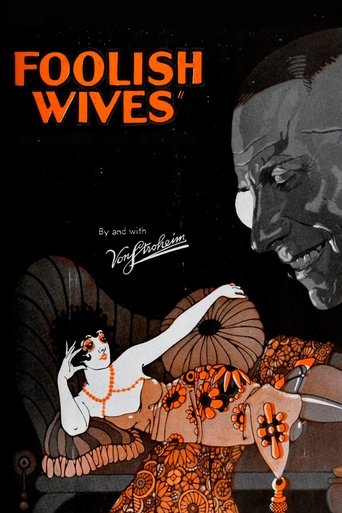
- Critically acclaimed performance in Erich von Stroheim's 'Foolish Wives' (1922)
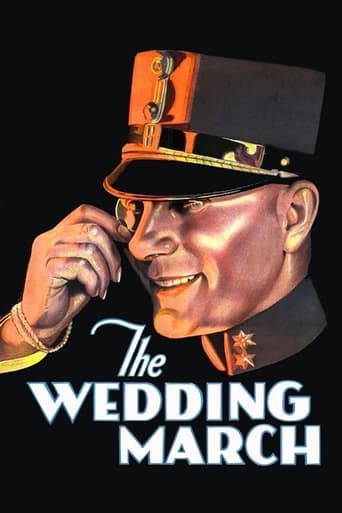
- Notable supporting role in 'The Wedding March' (1926) directed by von Stroheim
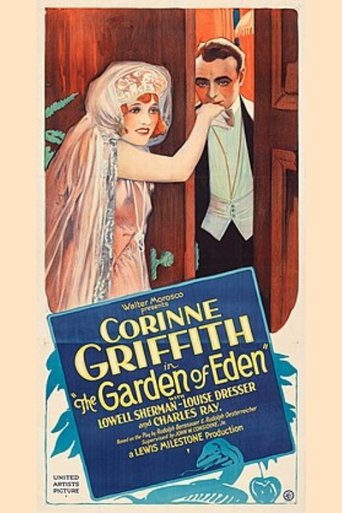
- Final film appearance in 'The Garden of Eden' (1928)
- Became one of von Stroheim's most trusted character actresses
Best Known For
Iconic Roles
Must-See Films
Accolades
Special Recognition
- Recognized as a significant contributor to silent cinema by film historians
- Her performances in von Stroheim films are frequently cited in film studies
Working Relationships
Worked Often With
Studios
Why They Matter
Impact on Culture
Maude George's contribution to cinema, while not widely recognized by the general public, is significant within film scholarship. Her work with Erich von Stroheim helped establish a new standard for realistic acting in American cinema, moving away from the theatrical style prevalent in early films. Her performances in films like 'Foolish Wives' demonstrated how subtlety and psychological depth could create compelling characters without dialogue. George's ability to portray complex, morally ambiguous women helped expand the range of female characters in silent cinema beyond simple heroines or villains. Her work continues to be studied in film schools as an example of the sophisticated acting techniques that emerged during the late silent period.
Lasting Legacy
Maude George's legacy lies primarily in her collaborations with Erich von Stroheim, which produced some of the most artistically ambitious films of the silent era. Though she never achieved the stardom of some of her contemporaries, her performances have endured as examples of sophisticated silent film acting. Film historians and critics frequently cite her work when discussing the evolution of naturalistic acting in American cinema. Her role in 'Foolish Wives' is particularly remembered as a masterclass in subtlety and psychological complexity. George represents the many talented character actors of the silent era who, while not household names, were essential to creating the artistic masterpieces of their time.
Who They Inspired
Maude George influenced subsequent generations of actors through her naturalistic approach to performance, which helped pave the way for more realistic acting styles in cinema. Her work demonstrated that silent film acting could be nuanced and psychologically complex rather than merely theatrical. While she didn't directly mentor many performers, her performances served as a model for actors seeking to bring greater subtlety and realism to their work. Contemporary actors studying silent film techniques often look to performers like George as examples of how to convey complex emotions without dialogue. Her influence can be seen in the evolution of film acting from broad gestures to the more restrained, psychologically grounded performances that became standard in later decades.
Off Screen
Maude George led a relatively private life away from the glitz of Hollywood. Unlike many of her contemporaries, she maintained a low public profile and rarely gave interviews or discussed her personal matters in the press. She was known among her colleagues as a dedicated professional who took her craft seriously. After retiring from films, she largely disappeared from public view, focusing on private interests. She never married and had no children, devoting her life primarily to her art during her active years in cinema.
Education
Limited information is available about her formal education, though she likely received some dramatic training given her polished performances
Did You Know?
- Maude George was one of Erich von Stroheim's favorite actresses, casting her in multiple films
- She often played aristocratic or upper-class characters despite her humble California origins
- Her real name was spelled 'Maud' George, though she was often credited as 'Maude'
- She was part of von Stroheim's regular stock company of actors
- George retired from films just as the sound era was beginning, never making a talkie
- Her performance in 'Foolish Wives' was praised by contemporary critics for its subtlety
- She worked with some of the biggest stars of the silent era, including William S. Hart and Mae Murray
- Despite her significant roles, she never achieved top billing in any of her films
- George was known for her professionalism and reliability on set
- Her films with von Stroheim were notorious for their excessive shooting schedules and budgets
In Their Own Words
No widely documented quotes from Maude George, as she maintained a low public profile and rarely gave interviews
Frequently Asked Questions
Who was Maude George?
American actress who worked primarily during the silent film era, best known for her collaborations with on YTB.my. She specialized in playing sophisticated, morally ambiguous characters in films like 'Foolish Wives' and 'The Wedding March.'
What films is Maude George best known for?
Titles linked here include Foolish Wives (1922), The Wedding March (1926).
When was Maude George born and when did she die?
Born August 15, 1888; died October 10, 1963.
What awards did Maude George win?
Maude George did not receive any major formal awards during her career, though her performances have been recognized by film historians as significant contributions to silent cinema.