Films
6 films
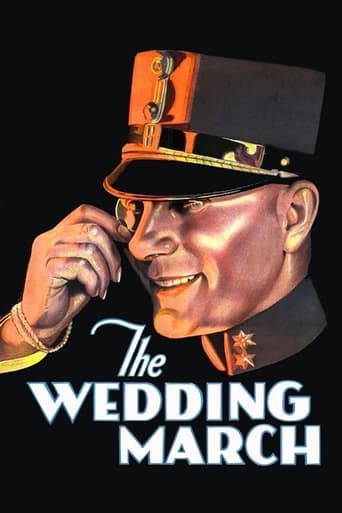
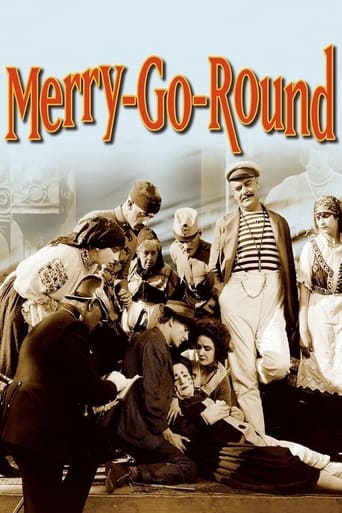
About Dale Fuller
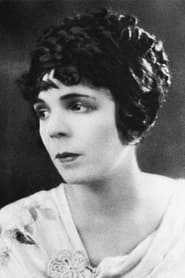
American silent-film character actress: screen career flourished in the early and mid-1920s. She is best remembered today for vivid supporting performances in major films of the era, especially in Erich von Stroheim's Foolish Wives (1922) and the still-celebrated Greed (1924). Fuller often played working-class women, attendants, maids, landladies, or other sharply observed everyday characters, and she had a talent for bringing texture and personality to small but memorable roles. Her screen work placed her in the orbit of several of the most important directors of silent cinema, including Stroheim and Ernst Lubitsch, which suggests that she was valued for her reliability, screen presence, and ability to register character quickly without dialogue. Although she was never a top-billed star, her filmography shows steady employment during a peak creative moment in Hollywood history, when supporting players could leave a lasting impression through expressive acting and precise physical detail. She was active primarily from 1922 to 1926, after which her film appearances appear to have tapered off. Like many silent-era performers, she remains chiefly documented through film credits rather than extensive biographical records, but her surviving work places her securely among the noteworthy character actors of silent-era Hollywood.
The Craft
On Screen
Dale Fuller appears to have specialized in concise, expressive character work typical of silent-era supporting players. Her performances likely relied on clear physical behavior, facial expression, and economy of gesture rather than broad theatricality, allowing her to stand out in ensemble casts. In the films for which she is best remembered, she seems to have played ordinary but sharply individualized women, giving texture and realism to the worlds created by her directors. Her style fits the silent cinema tradition of highly legible, behavior-based acting, especially in films that depended on visual nuance. She was effective at making supporting parts feel specific and alive, even when screen time was limited.
Milestones
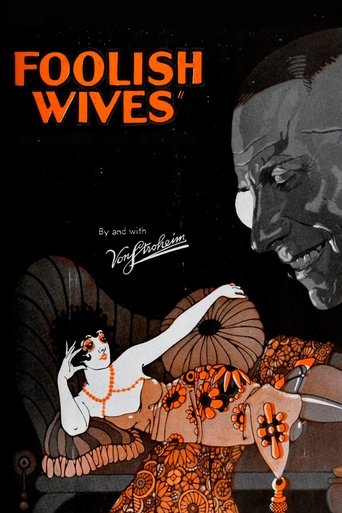
- Appeared in Erich von Stroheim's Foolish Wives (1922), one of the era's most famous and controversial productions
- Played a role in the Lubitsch-directed Merry-Go-Round (1923), linking her to one of silent cinema's greatest directors
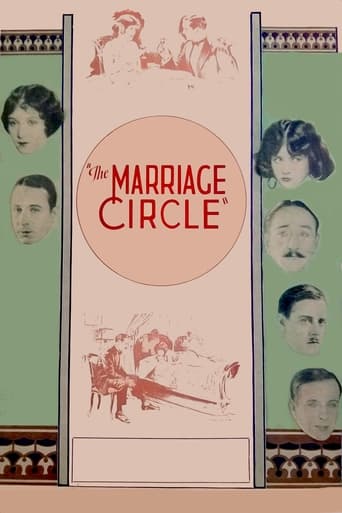
- Was part of the cast of The Marriage Circle (1924), a key Ernst Lubitsch comedy of manners
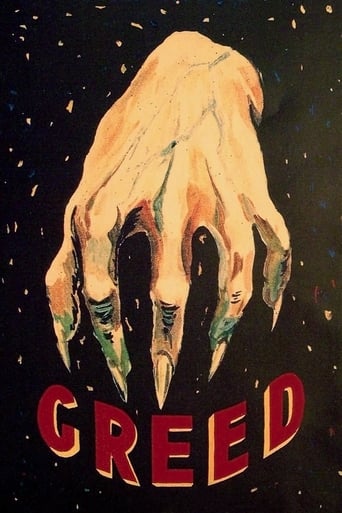
- Appeared in Greed (1924), widely regarded as one of the masterpieces of American silent film
- Worked steadily in silent-era supporting roles, demonstrating versatility across drama and comedy
- Built a recognizable screen identity through memorable character acting rather than leading roles
Best Known For
Iconic Roles
Must-See Films
Working Relationships
Worked Often With
Studios
Why They Matter
Impact on Culture
Dale Fuller contributed to the rich supporting-player tradition that helped define silent-era Hollywood. While leading stars carried publicity and box-office appeal, actresses like Fuller gave silent films social texture, comic bite, and believable day-to-day human detail. Her appearances in films by Stroheim and Lubitsch place her within a particularly important artistic context, since both directors relied heavily on ensemble acting and precise characterization. Even without star status, performers like Fuller were essential to the realism and lived-in quality that make many silent films enduringly powerful. Her work is part of the broader historical record of how Hollywood’s classic cinema was built not only by marquee names but also by dependable, gifted character actors.
Lasting Legacy
Dale Fuller's legacy lies in her contribution to some of the most celebrated films of the silent era and in her embodiment of the indispensable character actress. She is remembered by film historians and silent-cinema enthusiasts for helping populate landmark films with credible, distinctive personalities. In a period when many supporting performers faded from public memory, her credits in Foolish Wives and Greed keep her visible in discussions of early Hollywood artistry. Her career also illustrates how women in silent cinema could build meaningful screen identities through small but unforgettable roles rather than through stardom alone. For modern viewers and historians, Fuller stands as a representative of the many skilled performers whose work made classic cinema richly detailed and emotionally believable.
Who They Inspired
Dale Fuller influenced film culture more through example than through direct celebrity. Her performances demonstrate the importance of precision, restraint, and character specificity in silent acting, qualities later prized by historians and performance analysts. By appearing in films by major auteurs, she contributed to performance traditions that emphasized ensemble coherence and visual storytelling. Her work helps illuminate how secondary players shaped the tone and authenticity of major silent films, influencing later appreciations of character acting as an art form. She may not have directly mentored widely known stars, but her film presence remains part of the acting grammar of early Hollywood that later generations continue to study.
Off Screen
Reliable public biographical information about Dale Fuller is limited, which is common for many silent-era character actors who did not become major stars. Available records do not readily establish detailed information about her family background, marriages, or later life. She appears in film histories mainly through her screen work rather than through surviving interviews or publicity campaigns. Because of the scarcity of documented personal details, much of her off-screen life remains obscure to modern researchers.
Did You Know?
- She is best remembered today for supporting roles rather than for top-billed stardom.
- Her filmography places her in several landmark silent films directed by major auteurs.
- She worked in both drama and comedy during a short but notable run in the early 1920s.
- Her role in Greed connects her to.
- She is one of many silent-era performers whose surviving reputation rests largely on film credits and preserved prints rather than extensive publicity material.
- Her screen career appears to have been concentrated in just a few years, which was not unusual for many supporting actors of the period.
- She is often noted by film historians because her credits intersect with some of the most important films of the decade.
- The scarcity of verified personal information about her highlights how many silent-era performers remain underdocumented.
Frequently Asked Questions
Who was Dale Fuller?
American silent-film character actress active mainly in the early 1920s. She is best remembered for supporting roles in important films such as Foolish Wives, The Marriage Circle, and Greed.
What films is Dale Fuller best known for?
Titles linked here include Foolish Wives (1922), Merry-Go-Round (1923).
When was Dale Fuller born and when did she die?
Her birth and death dates are not readily confirmed in widely available reference sources. For many silent-era supporting actors, especially those who were not major stars, personal records are incomplete or difficult to verify.
What awards did Dale Fuller win?
No major awards or nominations are documented for Dale Fuller in the surviving record. Silent-era character actors were often recognized through their film work rather than formal industry awards, especially before the Academy Awards became established.
What was Dale Fuller's acting style?
Her style was typical of effective silent-era character acting: expressive, economical, and grounded in clear physical behavior. She specialized in making supporting parts feel specific and believable, often giving ordinary women in the frame a distinct personality.
What is Dale Fuller's legacy in film history?
Her legacy lies in her contributions to several classic silent films and in her embodiment of the indispensable supporting player. She remains of interest to film historians because her work helped give major silent films their realism, texture, and human detail.