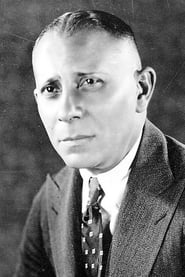
Erich von Stroheim
Actor & Director
Born: September 22, 1885 in Vienna, Austria-Hungary Died: May 12, 1957 Active: 1915-1957 Birth Name: Erich Oswald Stroheim
Films
12 films
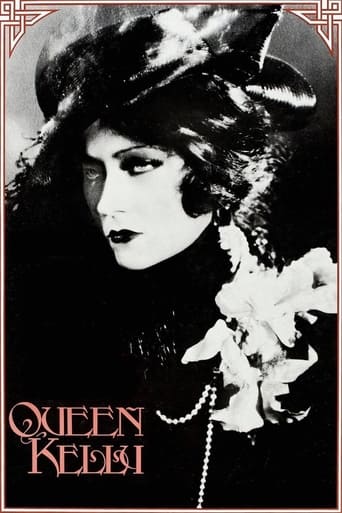
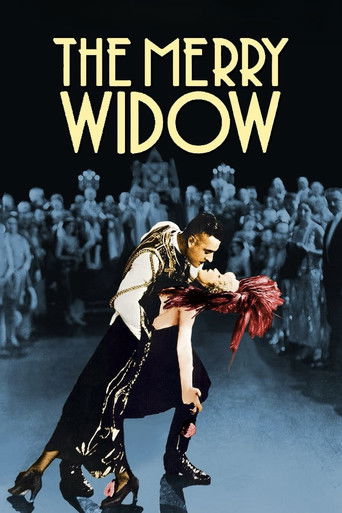
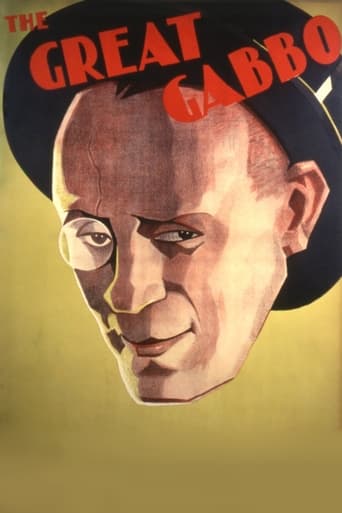
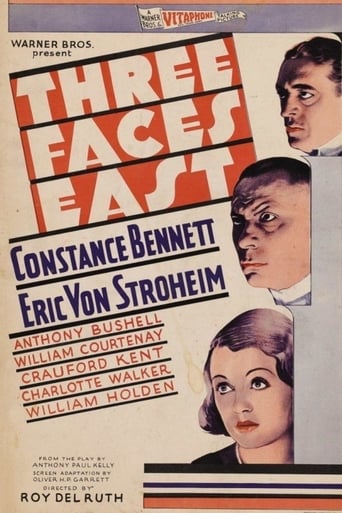
About Erich von Stroheim
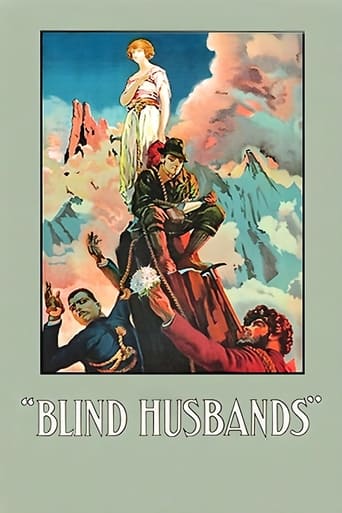
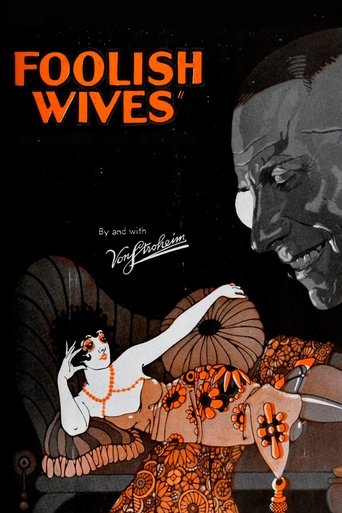
Erich von Stroheim was born in Vienna, Austria-Hungary in 1885 and immigrated to the United States in the early 1910s, beginning his film career as an assistant to D.W. Griffith before transitioning into acting and directing during the silent era. His directorial work, particularly 'Blind Husbands' (1919), 'Foolish Wives' (1922), and the notoriously cut 'Greed' (1924), established him as a meticulous filmmaker obsessed with realism and detail, though his perfectionism often led to conflicts with studios and budget overruns. After his directing career declined due to these conflicts, he successfully reinvented himself as a character actor, specializing in aristocratic and villainous roles that matched his carefully crafted persona. He earned two Academy Award nominations for Best Supporting Actor for his roles in 'Five Graves to Cairo' (1943) and 'The Great Man' (1957), though he never won. His later career included notable performances in films by Billy Wilder, including 'Sunset Boulevard' (1950) where he memorably played himself as Gloria Swanson's butler, creating one of cinema's most poignant meta-commentaries on the changing film industry. Stroheim's legacy is that of a controversial but brilliant filmmaker and a distinctive character actor whose work bridged both silent and sound cinema, leaving behind a complex legacy as one of cinema's most uncompromising artists.
The Craft
On Screen
Known for his portrayal of aristocratic, often villainous characters with a distinctive accent and commanding presence. His acting was characterized by a formal, rigid demeanor that perfectly suited his typecast roles as European nobility or military officers. He brought authenticity to these roles through his carefully cultivated continental persona and his ability to convey both menace and sophistication.
Behind the Camera
Meticulous and obsessive attention to detail, with a focus on realism and authenticity that was revolutionary for his time. Known for his perfectionism, long shooting schedules, and tendency to go over budget, he would insist on using real locations, authentic costumes, and detailed psychological development of characters. His films often featured complex themes of greed, morality, and social criticism, with innovative use of deep focus and long takes.
Milestones
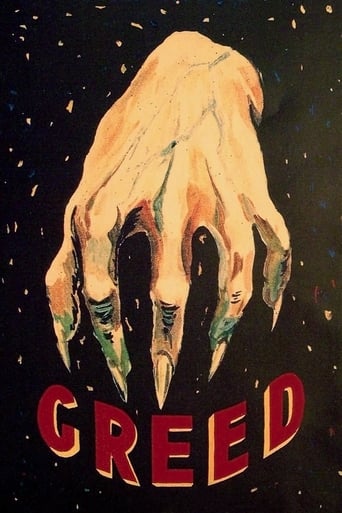
- Directed the legendary film 'Greed' (1924) which was heavily cut against his wishes
- Received two Academy Award nominations for Best Supporting Actor
- Successfully transitioned from controversial director to respected character actor
- Iconic self-referential role in Billy Wilder's 'Sunset Boulevard' (1950)
- Created the archetype of the European aristocratic villain in Hollywood cinema
Best Known For
Iconic Roles
Must-See Films
Accolades
Nominated
- Academy Award for Best Supporting Actor for 'Five Graves to Cairo' (1943)
- Academy Award for Best Supporting Actor for 'The Great Man' (1957)
Special Recognition
- Star on the Hollywood Walk of Fame (6600 Hollywood Blvd)
- Recognition as
Working Relationships
Worked Often With
Studios
Why They Matter
Impact on Culture
Erich von Stroheim revolutionized film direction with his obsessive attention to detail and commitment to realism, influencing generations of filmmakers who valued artistic integrity over commercial concerns. His portrayal of European aristocracy in Hollywood films created an enduring archetype that would be imitated for decades, establishing the template for the continental villain. His work in 'Sunset Boulevard' provided one of cinema's most poignant commentaries on the changing film industry and the fate of silent-era stars, essentially playing himself as a fallen director reduced to being a butler.
Lasting Legacy
Stroheim's legacy is twofold: as. His lost version of 'Greed' remains one of cinema's greatest mysteries and tragedies, representing artistic integrity sacrificed to commercial concerns. His influence can be seen in the work of directors like Stanley Kubrick, Werner Herzog, and Michael Haneke, who share his meticulous approach and uncompromising vision. He represents the quintessential artist struggling against the commercial constraints of Hollywood.
Who They Inspired
His directing techniques, particularly his use of deep focus, long takes, and location shooting, influenced filmmakers like Orson Welles and Jean Renoir. His acting persona established a template for the 'continental' villain that would appear in countless Hollywood films. His career trajectory from director to actor inspired other filmmakers facing similar industry challenges, demonstrating resilience and adaptability in the face of professional setbacks.
Off Screen
Known for his elaborate claims about his aristocratic background, though these were largely fabricated to create a more impressive persona in Hollywood. He was married four times and had two sons, one of whom (Erich von Stroheim Jr.) also became an actor. His personal life was as dramatic as his films, with numerous affairs, financial struggles throughout his career, and a carefully maintained public persona that masked his middle-class origins. Despite his success, he often lived beyond his means and faced financial difficulties, particularly in his later years.
Education
Limited formal education; claimed to have attended a military academy in Austria (disputed) but actually had modest schooling before emigrating to America
Family
- Margaret Cullington (1912-1914)
- Mae Jones (1915-1919)
- Valerie Germonprez (1920-1947)
- Denise Vernac (1950-1957)
Did You Know?
- Falsely claimed to be the son of an Austrian aristocrat and a count, though he was actually from a middle-class Jewish family
- His original cut of 'Greed' was reportedly 9-10 hours long, but was cut down to just over 2 hours against his wishes
- Served as a technical advisor on World War I films due to his claimed military experience
- Was known for wearing a monocle in his personal life as well as in films
- His final role was in Billy Wilder's 'The Fortune Cookie' (1966), released after his death
- He spoke fluent German, French, and English, which helped his international career
- His obsession with authenticity extended to using real military uniforms and actual locations in his films
- He was notoriously difficult to work with, often clashing with producers and studio executives
- His performance in 'Sunset Boulevard' was essentially playing himself, as he had indeed worked as a butler in his later years
- He wrote, directed, and starred in many of his early films, maintaining complete creative control
In Their Own Words
I am the greatest director in the world.
I don't make pictures. I make history.
On his acting career: I am an actor because I am a director who cannot direct.
On 'Greed': They cut my picture to ribbons. They destroyed it.
Hollywood is a place where they'll pay you a thousand dollars for a kiss and fifty cents for your soul.
Frequently Asked Questions
Who was Erich von Stroheim?
Austrian-American filmmaker and with credits in this catalog. He is remembered for his meticulous directing style and his portrayals of aristocratic villains, though his career was marked by conflicts with studios over his uncompromising artistic vision.
What films is Erich von Stroheim best known for?
Titles linked here include Greed (1924), Sunset Boulevard (1950).
When was Erich von Stroheim born and when did he die?
Born September 22, 1885; died May 12, 1957.
What awards did Erich von Stroheim win?
While he never won an Academy Award, he received two nominations for Best Supporting Actor for 'Five Graves to Cairo' (1943) and 'The Great Man' (1957). He has a star on the Hollywood Walk of Fame and is recognized by film historians as one of cinema's most important auteurs.
What was Erich von Stroheim's directing style?
His directing style was characterized by obsessive attention to detail, commitment to realism, and perfectionism. He was known for long shooting schedules, going over budget, and creating films with deep psychological themes and social criticism, using innovative techniques like deep focus and location shooting.
Did Erich von Stroheim really come from an aristocratic family?
No, despite his lifelong claims of being an Austrian count, Erich von Stroheim was actually born to a middle-class Jewish family in Vienna. His aristocratic persona was largely fabricated to enhance his Hollywood image and fit the roles he played.
What happened to the original version of 'Greed'?
The original version of 'Greed' was reportedly 9-10 hours long, but MGM cut it down to just over 2 hours against Stroheim's wishes. The lost footage is considered one of cinema's greatest tragedies, and the surviving version is regarded as a masterpiece despite being only a fragment of Stroheim's original vision.
How did Erich von Stroheim transition from directing to acting?
After his directing career declined due to budget overruns and conflicts with studios, particularly after 'Greed' was cut against his wishes, Stroheim successfully reinvented himself as a character actor. His distinctive European persona and aristocratic bearing made him perfect for the type of roles he had previously directed, allowing him to continue working in Hollywood for decades.