

The Unbeliever
"Marine learns humanity in the trenches"
Keys: Space play/pause · ←/→ 10s · F fullscreen · M mute · </> speed
About this film
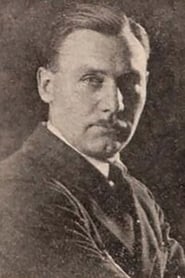
Privileged American Marine Raymond learns tolerance through training and trench warfare alongside German enemies. The 1918 propaganda feature stars Raymond Hitchcock.
Cast & crew
More films like this

More War films
View all →


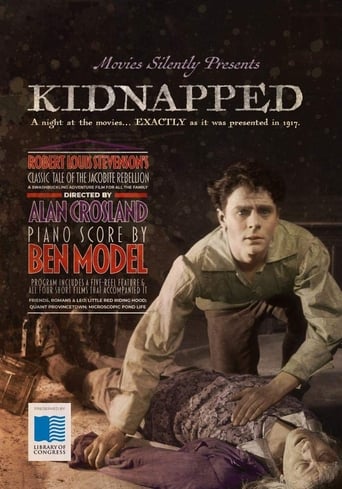
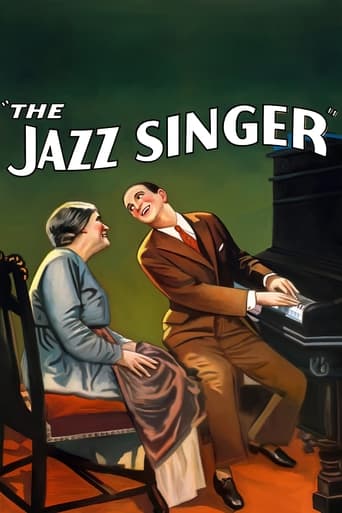
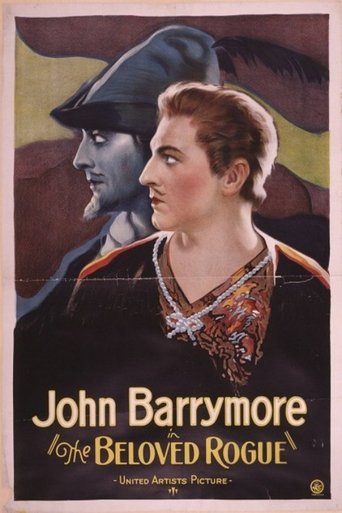
More from Alan Crosland
View all →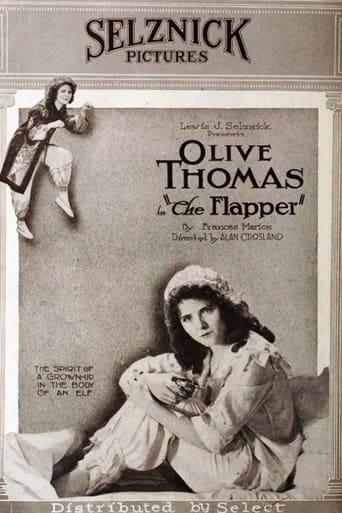


More about this film
About the production
Release dateSeptember 29, 1918
Box officeUnknown
ProductionFox Film Corporation
Filmed inFox Studio grounds, Fort Lee, New Jersey
The film was produced during the final year of World War I and released shortly before the Armistice. The production utilized actual military personnel as extras and consultants to ensure authenticity in the military sequences. The battle scenes were filmed on constructed sets that replicated the trench warfare conditions of the Western Front.
Themes
Class prejudiceRacial intoleranceHuman equalityWar and transformationBrotherhood
Themes & topics
World War IMarinesTrench warfarePrejudiceTransformationHospitalWealthClass conflictAnti-warHumanityComing of ageBattleWoundingRecoveryEnlightenment
Historical background
Released in 1918, The Unbeliever belongs to the silent feature period and reflects production norms of its release season.
Why this film matters
The Unbeliever contributes to understanding regional output and audience tastes around 1918.
Making of
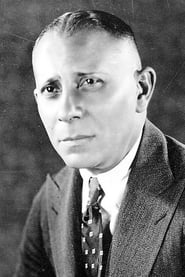
The production of 'The Unbeliever' took place during a unique period in American cinema when the film industry was rapidly establishing itself as a major cultural force. Director Alan Crosland, then a rising talent at Fox Film Corporation, brought a sense of realism to the war sequences that was unusual for the period. The cast and crew worked under the constraints of wartime production, with some resources being diverted to the war effort. Erich von Stroheim, who had recently immigrated from Austria, brought authentic European sensibility to his role as a German character. The film's production coincided with the Spanish Flu pandemic, which affected filming schedules and required health precautions on set. The battle sequences were choreographed with military precision, using actual drills and formations taught by Marine Corps advisors who were temporarily assigned to the production.
What critics said
Review records for The Unbeliever are typical of 1918: brief for shorts, more sustained for features.
Did you know?
- This was one of Erich von Stroheim's early film appearances before he became a renowned director
- The film was released just weeks before the end of World War I, making its anti-prejudice message particularly timely
- Director Alan Crosland would later direct 'The Jazz Singer' (1927), the first feature-length 'talkie'
- The film's title was changed from 'The Unbelieving American' to simply 'The Unbeliever' during production
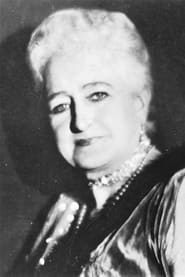
- Marguerite Courtot was a popular silent film star who specialized in adventure and war dramas
- The Marine Corps provided technical advisors to ensure accuracy in the military training sequences
- The film was part of Fox Film Corporation's series of patriotic war pictures released during 1918
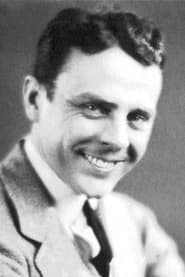
- Raymond McKee, who played the lead, was known for his boyish looks and often played coming-of-age characters
- The hospital scenes were reportedly filmed in a converted studio set designed to replicate a French field hospital
- The film's message of international brotherhood was considered progressive for its time, especially given the ongoing war
Awards & recognition
- No known awards for the release
Visual style
The cinematography of 'The Unbeliever' was handled by Lucien Andriot, a respected French cinematographer who brought European sensibility to American productions. The film employed the visual language of late silent cinema, with careful attention to lighting and composition to convey emotional states. The battle sequences utilized dynamic camera movements for the period, including some tracking shots that followed the action through the trench systems. The contrast between the opulent world of the protagonist's wealthy background and the gritty reality of trench warfare was emphasized through visual juxtaposition. The hospital scenes featured softer lighting to create a more contemplative atmosphere, while the training sequences used harder, more direct lighting to convey the harshness of military life. The film's visual style was characteristic of Fox Film Corporation's production values of the period, with clear, well-composed images that served the narrative effectively.
Innovations
While 'The Unbeliever' was not a groundbreaking film in terms of technical innovation, it demonstrated solid production craftsmanship typical of Fox Film Corporation's output during this period. The film's battle sequences featured impressive miniature work and practical effects that created convincing representations of trench warfare. The production design effectively contrasted the different social environments depicted in the story, from luxurious mansions to military barracks to field hospitals. The makeup effects for the wounded soldiers were considered realistic for the time. The film's editing, particularly in the action sequences, maintained good pacing and clarity despite the technical limitations of the era. The use of location shooting combined with studio work showed the growing sophistication of American film production methods in the late 1910s.
Music
As a silent film, 'The Unbeliever' would have been accompanied by live musical performance during its original theatrical run. The specific musical score is not documented in surviving records, which was typical for many films of this period. However, based on Fox Film Corporation's practices, the film likely had a compiled score using popular classical pieces and original thematic music composed specifically for the production. The musical accompaniment would have varied by theater size and location, with larger theaters employing full orchestras and smaller venues using piano or organ accompaniment. The emotional arc of the film, from prejudice to enlightenment, would have been supported through carefully selected musical cues that enhanced the narrative progression. Battle scenes would have featured dramatic, martial music, while the more introspective moments would have been underscored with more contemplative melodies.
Famous quotes
'In the mud and blood of the trenches, there are no distinctions of class or color - only men fighting for the same cause.'
'I came to war to prove my superiority, but I found only my own ignorance.'
'The enemy I feared was not in the German trenches, but in my own heart.'
Memorable scenes
- The protagonist's first exposure to trench warfare, where his privileged background clashes with the brutal reality of combat
- The hospital scene where the wounded American protagonist shares a ward with German soldiers, leading to his moment of epiphany
- The training sequence where the wealthy young man struggles to adapt to military discipline and equality among ranks
- The final confrontation where the protagonist rejects his former prejudices and embraces his new understanding of human brotherhood
What audiences thought
Audience reception to 'The Unbeliever' in 1918 appears to have been positive, particularly among viewers who had personal connections to the war. The film's release timing, coming during the final push of WWI, resonated with Americans who were experiencing war fatigue and beginning to hope for peace. Moviegoers appreciated the film's authentic military sequences and its relatable story of personal transformation. The progressive message about overcoming prejudice seems to have been well-received, possibly reflecting a growing desire for unity and reconciliation as the war drew to a close. However, as with many films of this era, detailed audience reaction data is limited, and much of what we know comes from theater reports and newspaper reviews of the period rather than systematic audience surveys.
Film connections
Influenced by
- The influence of D.W. Griffith's social dramas
- Contemporary war literature
- Progressive era social reform movements
- Wilson's Fourteen Points and League of Nations vision
This film influenced
- The film's theme of wartime transformation influenced later war dramas including 'All Quiet on the Western Front' (1930)
- Its anti-prejudice message prefigured social problem films of the 1930s
Film restoration
The Unbeliever is considered a partially lost film. Only incomplete fragments and reels are known to survive, with no complete version currently known to exist. Some footage is preserved in the Library of Congress and other film archives, but significant portions of the original 50-minute film are missing. The surviving material provides insight into the film's visual style and narrative approach, but the complete story cannot be reconstructed from the available elements. This status is unfortunately common for films from the late 1910s, as many silent films from this period were lost due to the unstable nature of early film stock and the practice of destroying films after their theatrical run ended.
Where to watch
- Due to its partially lost status, 'The Unbeliever' is not commercially available. Surviving fragments may be viewed at film archives including the Library of Congress, the Museum of Modern Art's film collection, and specialized silent film archives. Occasionally, film preservation organizations may screen surviving excerpts during special presentations or silent film festivals. The film is not available on home video, streaming platforms, or digital download services. Film historians and researchers may be able to access the surviving material through academic channels or by contacting film preservation institutions directly.