

Marguerite Courtot
Actor
Born: August 20, 1897 in Summit, New Jersey, United States Died: May 28, 1986 Active: 1912-1930 Birth Name: Marguerite Gabrielle Courtot
Films
2 films
About Marguerite Courtot
Prominent American silent film actress who began her career in the early 1910s with Thanhouser Company, one of America's earliest motion picture studios. She quickly rose from bit parts to leading roles, becoming one of Thanhouser's most reliable and popular actresses during the mid-1910s. Courtot's career reached its peak in the early 1920s when she starred in several notable productions, including the critically acclaimed 'Down to the Sea in Ships' (1922), which featured an early appearance by Clara Bow. She married fellow actor Raymond McKee in 1919, and the couple often appeared together in films throughout the 1920s. Unlike many silent film stars, Courtot made a relatively graceful transition to sound pictures, though her roles became smaller and less frequent as the decade progressed. Her film career effectively ended by the early 1930s, after which she retired from the entertainment industry to focus on her personal life. Courtot's legacy endures through her surviving films, which showcase the talent and versatility of silent era performers who helped establish the foundation of American cinema.
The Craft
On Screen
Courtot was known for her naturalistic acting style that was ahead of its time in the silent era. She employed subtle facial expressions and body language rather than the exaggerated gestures common among many of her contemporaries. Her performances often conveyed deep emotion through her eyes and nuanced movements, making her particularly effective in dramatic roles. Critics of the time praised her ability to bring authenticity to her characters, whether playing innocent heroines or more complex, conflicted women.
Milestones
- Joined Thanhouser Company in 1912
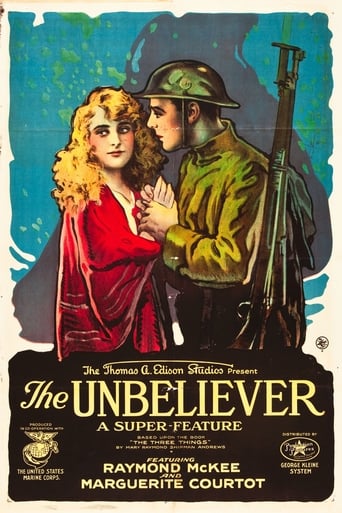
- Starred in 'The Unbeliever' (1918)
- Lead role in 'Down to the Sea in Ships' (1922)
- Married actor Raymond McKee in 1919
- Successfully transitioned to sound films
- Retired from acting in the early 1930s
Best Known For
Iconic Roles
Must-See Films
Accolades
Special Recognition
- Preserved films in the National Film Registry ('Down to the Sea in Ships')
Working Relationships
Worked Often With
Studios
Why They Matter
Impact on Culture
Marguerite Courtot represents the generation of actors who bridged the gap between the primitive early days of cinema and the sophisticated Hollywood studio system. Her work with Thanhouser Company helped establish the template for professional film acting in America. Her performance in 'Down to the Sea in Ships' not only showcased her talents but also provided a platform for the future 'It Girl' Clara Bow, indirectly influencing the development of the flapper archetype in cinema. Courtot's naturalistic acting style influenced the move away from theatrical gestures toward more realistic performances in silent films.
Lasting Legacy
Though not as widely remembered as some of her contemporaries, Marguerite Courtot's legacy endures through the preservation of her films, particularly 'Down to the Sea in Ships,' which was selected for preservation in the National Film Registry in 2002. Her career trajectory from early shorts to feature films mirrors the evolution of the American film industry itself. As one of the few Thanhouser stars with a substantial number of surviving films, she serves as an important window into early American cinema. Her successful marriage to Raymond McKee also represents one of the more stable personal relationships in early Hollywood, challenging the narrative of scandal and instability that often characterizes the era.
Who They Inspired
Courtot influenced the development of naturalistic acting techniques in silent films, moving away from the exaggerated pantomime style common in early cinema. Her work with younger actors, particularly her reported mentorship of Clara Bow, helped shape the next generation of film stars. Her ability to transition from short films to features demonstrated the evolving demands on actors as cinema matured as an art form. The professional longevity she achieved, spanning nearly two decades in a rapidly changing industry, provided a model for career sustainability that other actors could emulate.
Off Screen
Marguerite Courtot married fellow actor Raymond McKee on June 30, 1919, in a relationship that lasted until McKee's death in 1964. The couple frequently worked together in films during the 1920s, forming one of the era's notable acting partnerships. They had no children together. After retiring from acting, Courtot lived a relatively private life in California, away from the Hollywood spotlight. She outlived her husband by 22 years and passed away at the age of 88 in Orange, California.
Education
Limited information available, likely received standard education for the period in New Jersey before entering films as a teenager
Family
- Raymond McKee (1919-1964)
Did You Know?
- Began her film career at age 15 with Thanhouser Company
- Her real name was Marguerite Gabrielle Courtot
- She was of French descent
- Appeared in over 80 films during her career
- Her film 'Down to the Sea in Ships' was shot on location in New Bedford, Massachusetts
- The film featured real footage of actual whaling expeditions
- She and her husband Raymond McKee were billed as 'Ray and Marguerite' in some of their later films together
- She was one of the few Thanhouser stars to successfully transition to major studio productions
- After retiring, she rarely gave interviews about her film career
- Her films are now studied by film historians as examples of early American cinema
In Their Own Words
I found that the camera could see into your soul if you let it, and that was always my approach to acting
Working in pictures wasn't just a job for me; it was like being part of something new and wonderful that the world had never seen before
Frequently Asked Questions
Who was Marguerite Courtot?
American silent film actress who starred in numerous films during the 1910s and 1920s, particularly known for her work with Thanhouser Company and her role in 'Down to the Sea in Ships' (1922). She was married to actor Raymond McKee and successfully transitioned from short films to features during her nearly two-decade career.
What films is Marguerite Courtot best known for?
Titles linked here include The Unbeliever (1918), Down to the Sea in Ships (1922).
When was Marguerite Courtot born and when did she die?
Born August 20, 1897; died May 28, 1986.
What awards did Marguerite Courtot win?
While Marguerite Courtot did not receive individual acting awards during her career, her film 'Down to the Sea in Ships' was later selected for preservation in the National Film Registry in 2002, recognizing its cultural, historical, and aesthetic significance to American cinema.
What was Marguerite Courtot's acting style?
Courtot was known for her naturalistic acting style that was ahead of its time, using subtle facial expressions and body language rather than the exaggerated gestures common among silent film actors. Critics praised her ability to convey deep emotion through nuanced performances, making her particularly effective in dramatic roles.