

Darwin Karr
Actor
Born: March 12, 1878 in San Francisco, California, United States Died: January 3, 1937 Active: 1912-1920
Films
4 films
About Darwin Karr
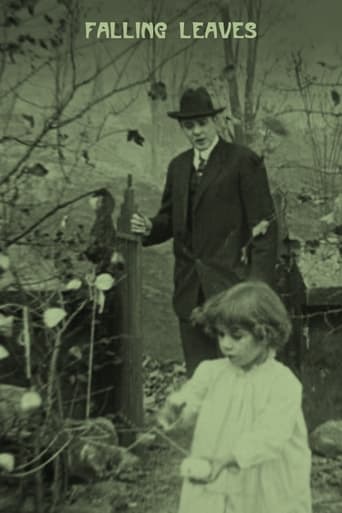
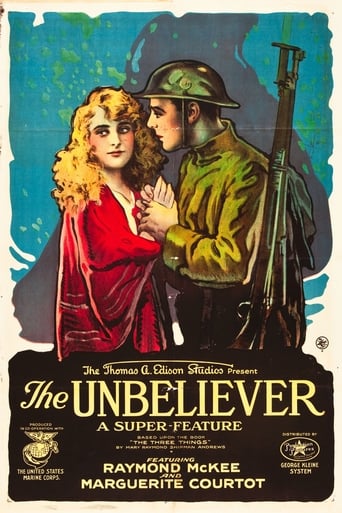
American actor who flourished during the silent film era, primarily active between 1912 and 1920. He began his film career with the Thanhouser Company, one of the motion picture studios, appearing in the acclaimed drama 'Falling Leaves' (1912), which was directed by Alice Guy Blaché and showcased his ability to convey emotion through the subtle techniques required by silent cinema. Throughout the 1910s, Karr worked with various production companies, taking on supporting and character roles that demonstrated his versatility as an actor. His performance in 'The Unbeliever' (1918), a World War I drama directed by Alan Crosland, represented one of his more significant roles in a feature-length production. Karr's career culminated with his appearance in 'Suds' (1920), a comedy starring Mary Pickford, where he played alongside one of the era's biggest stars. As the film industry transitioned from silent pictures to talkies in the late 1920s, Karr, like many actors of his generation, either chose to retire or found fewer opportunities in the changing cinematic landscape, marking the end of his relatively brief but notable contribution to early American cinema.
The Craft
On Screen
Darwin Karr embodied the theatrical yet restrained acting style typical of the silent era, using exaggerated facial expressions and body language to convey emotions to audiences without the benefit of dialogue. His performances demonstrated a particular strength in dramatic roles, where he could effectively portray the internal conflicts and moral dilemmas of his characters through subtle gestures and intense gazes. Like many actors trained in stagecraft before entering films, Karr adapted his theatrical techniques to the more intimate medium of cinema, finding the balance between projection and subtlety required by the camera.
Milestones
- Appeared in 'Falling Leaves' (1912) directed by Alice Guy Blaché
- Supporting role in World War I drama 'The Unbeliever' (1918)
- Worked with Mary Pickford in 'Suds' (1920)
- Early contract player with Thanhouser Company
- Transitioned from stage to film during the silent era
Best Known For
Iconic Roles
Must-See Films
Accolades
Special Recognition
- Pioneer of American silent cinema
Working Relationships
Worked Often With
Studios
Why They Matter
Impact on Culture
Darwin Karr represents the generation of actors who helped establish the foundation of American cinema during its formative years. His work with directors like Alice Guy Blaché, one of the first female filmmakers, placed him at the forefront of cinematic innovation when the medium was still developing its artistic language. By participating in films that addressed social issues and human dramas, Karr contributed to the establishment of cinema as a legitimate art form capable of serious artistic expression. His career trajectory, spanning from the early days of one-reel films to more sophisticated feature productions, mirrors the rapid evolution of the American film industry during the 1910s.
Lasting Legacy
Darwin Karr's legacy lies in his contribution to the silent era's character actors who brought depth and authenticity to early American films. Though not a major star, his appearances in historically significant films like 'Falling Leaves' ensure his place in cinema history, as these works continue to be studied by film historians and scholars interested in the development of cinematic storytelling. His performances serve as valuable examples of the acting techniques and styles that defined silent cinema, helping modern audiences understand the craft of film acting before the advent of sound. As part of the Thanhouser Company's roster, Karr participated in.
Who They Inspired
As a supporting actor during the silent era, Darwin Karr's influence was primarily through his collaborative contributions to the films he appeared in rather than through mentoring or directly influencing other performers. His work with innovative directors like Alice Guy Blaché helped establish acting approaches that would influence subsequent generations of film actors. The naturalistic yet expressive style he employed in his performances represented the transition from purely theatrical acting to more film-appropriate techniques, a transition that would become increasingly important as cinema evolved as an art form.
Off Screen
Darwin Karr maintained a relatively private personal life away from the spotlight of early Hollywood. Born in San Francisco in 1878, he came of age during the city's vibrant cultural scene before the 1906 earthquake reshaped the landscape. Like many actors of his generation, Karr likely transitioned from stage performances to the burgeoning film industry as motion pictures gained popularity in the early 1910s. His retirement from acting coincided with major changes in the film industry, suggesting he may have chosen to step away rather than adapt to the new demands of sound cinema. He spent his later years away from the entertainment industry, passing away in 1937 at the age of 58.
Did You Know?
- Appeared in 'Falling Leaves' (1912), one of the earliest surviving films directed by a woman (Alice Guy Blaché)
- Worked during the transitional period when American cinema was shifting from short films to feature-length productions
- His film active years covered exactly eight years, typical for many character actors of the silent era
- Appeared in 'The Unbeliever' (1918), which was notable for its realistic portrayal of World War I
- His final film 'Suds' (1920) starred Mary Pickford, one of the biggest stars of the silent era
- Born in San Francisco, a city that would become important in early film production
- Was active during the years when the film industry was establishing itself as a major American cultural institution
- His career ended before the transition to sound films, avoiding the challenges many silent actors faced
- Worked with Thanhouser Company,
- Participated in the early development of cinematic storytelling techniques before they were fully codified
Frequently Asked Questions
Who was Darwin Karr?
American with credits in this catalog. He was primarily a character actor who worked with studios and directors during the formative years of American cinema.
What films is Darwin Karr best known for?
Titles linked here include Falling Leaves (1912), The Unbeliever (1918).
When was Darwin Karr born and when did he die?
Born March 12, 1878; died January 3, 1937.
What awards did Darwin Karr win?
Darwin Karr did not receive major formal awards during his career, as the Academy Awards were not established until 1929, after his retirement from acting. His recognition comes primarily from his contributions to early American cinema as a pioneer character actor.
What was Darwin Karr's acting style?
Darwin Karr employed the theatrical yet controlled acting style typical of the silent era, using expressive facial expressions and body language to convey emotions. His performances balanced the dramatic techniques of stage acting with the more intimate requirements of film, particularly excelling in dramatic and character roles.