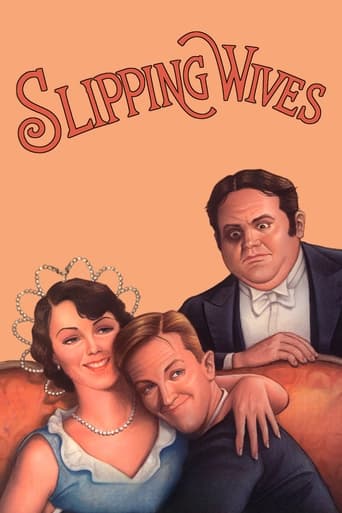
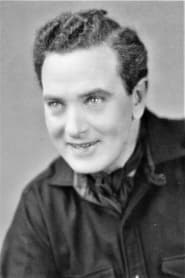
Herbert Rawlinson
Actor
Born: November 15, 1888 in Brighton, Sussex, England Died: July 12, 1952 Active: 1915-1952 Birth Name: Herbert Marshall Rawlinson
Films
3 films
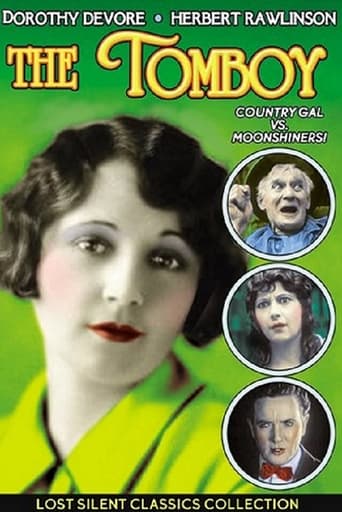
About Herbert Rawlinson
British-American actor: remarkable nearly four decades of cinema history, from the silent era through the early 1950s. Born in England in 1888, Rawlinson began his career on the stage before transitioning to films, quickly establishing himself as a leading man in silent pictures during the 1910s and 1920s. Herbert appears in over 200 films throughout his career, working with major studios and collaborating with some of Hollywood's most notable directors. Rawlinson successfully navigated the challenging transition from silent films to talkies, evolving from a romantic lead to a respected character actor in sound pictures. His versatility allowed him to play a wide range of roles, from sophisticated gentlemen to villains, and he became particularly known for his work in mystery and adventure films. Despite never achieving top-tier stardom, Rawlinson's consistent work ethic and reliable performances made him a valuable presence in Hollywood for decades. His final years saw him appearing in numerous television programs, demonstrating his adaptability to new media before his death in 1952.
The Craft
On Screen
Rawlinson was known for his naturalistic acting style that evolved with the medium. In silent films, he employed expressive gestures and facial features typical of the era but with a subtlety that set him apart from more melodramatic performers. His stage background gave him a commanding presence and clear diction that served him well in the transition to sound. Rawlinson specialized in portraying sophisticated, often aristocratic characters with a reserved dignity, though he could effectively play both heroes and villains. His technique emphasized understatement and realism, making him particularly effective in dramatic roles and mystery films.
Milestones
- Leading man in Universal Pictures silent films during the 1910s
- Starred in the popular 'The Trail of the Lonesome Pine' series (1916)
- Successfully transitioned from silent films to talkies in the late 1920s
- Appeared in over 200 films throughout his career
- Became a prolific character actor in the 1930s and 1940s
- Made appearances in early television programs in the early 1950s
Best Known For
Iconic Roles
Must-See Films
Accolades
Special Recognition
- Hollywood Walk of Fame star at 6151 Hollywood Boulevard
Working Relationships
Worked Often With
Studios
Why They Matter
Impact on Culture
Herbert Rawlinson represents the archetype of the reliable character actor who provided essential support to Hollywood's golden age productions. His successful transition from silent film leading man to sound-era character actor demonstrated the adaptability required for longevity in the rapidly changing film industry. Rawlinson's extensive filmography serves as a valuable record of cinematic techniques and storytelling methods from the silent era through the studio system's peak. His work in mystery and horror films, particularly in the 1930s, contributed to the development of these genres during their formative years. Rawlinson's career also exemplifies the journey of many British actors who found success in Hollywood, helping to establish the transatlantic exchange of talent that would become increasingly common in cinema.
Lasting Legacy
Herbert Rawlinson's legacy lies in his remarkable body of work spanning nearly four decades of cinema history, serving as a bridge between the silent era and modern filmmaking. His over 200 film appearances provide a comprehensive view of Hollywood's evolution, from the primitive techniques of the 1910s to the sophisticated productions of the 1940s. Rawlinson is remembered by film historians as a consummate professional whose consistent performances elevated countless films, even when playing supporting roles. His ability to adapt to changing technologies and audience tastes while maintaining his artistic integrity offers lessons in career longevity for contemporary actors. The preservation of his films continues to provide insight into early 20th-century acting techniques and film production methods.
Who They Inspired
Rawlinson influenced subsequent generations of character actors through his demonstration of how to build a sustainable career through versatility and reliability. His naturalistic acting style, particularly his subtle approach during the silent era, helped pave the way for more realistic performances in cinema. Younger British actors coming to Hollywood in subsequent decades could look to Rawlinson's career as a model for successful adaptation to the American film industry. His work in establishing character archetypes in mystery and adventure films influenced how these genres would develop throughout the golden age of Hollywood.
Off Screen
Herbert Rawlinson led a relatively private personal life despite his long Hollywood career. He married actress Lorena 'Lola' Horne in 1915, with whom he had one daughter, Carol. The couple divorced in the 1930s, and Rawlinson later married Roberta 'Bobby' Arnold, who remained his wife until his death. Rawlinson was known as a reliable professional who maintained good relationships with his colleagues and was respected for his work ethic. He was an avid golfer and enjoyed outdoor activities when not filming. His death from a heart attack at age 63 came while he was still actively working in television, marking the end of a remarkable career that had witnessed the entire evolution of motion pictures.
Education
Educated in England, received theatrical training before entering films
Family
- Lorena 'Lola' Horne (1915-1930s)
- Roberta 'Bobby' Arnold (1930s-1952)
Did You Know?
- Rawlinson appeared in over 200 films, making him
- He began his career as a stage actor in England before moving to the United States
- Rawlinson — leading man at Universal Pictures during the silent era
- He successfully made the transition from silent films to talkies, unlike many of his contemporaries
- Rawlinson appeared in both the 1933 horror classic 'The Invisible Man' and the same year's 'The Mystery of the Wax Museum'
- He had a small but memorable role as the boat captain in Alfred Hitchcock's 'Rebecca' (1940)
- Rawlinson was one of the first film actors to receive a star on the Hollywood Walk of Fame
- He worked in television in the early 1950s, appearing in anthology series like 'The Lone Ranger'
- Rawlinson was known for his distinctive mustache, which became his trademark in later years
- Despite his extensive career, he never received major award recognition, typical of character actors of his era
In Their Own Words
The secret to longevity in pictures is simple: be professional, be reliable, and never turn down work unless you absolutely must.
Silent pictures taught us everything about acting with our eyes and our bodies. Sound just added another tool to our kit.
I've played everything from kings to criminals, and I've learned that every character, no matter how small, deserves respect and preparation.
Frequently Asked Questions
Who was Herbert Rawlinson?
British-American with credits in this catalog. He began as a leading man in silent pictures and successfully transitioned to character roles in talkies.
What films is Herbert Rawlinson best known for?
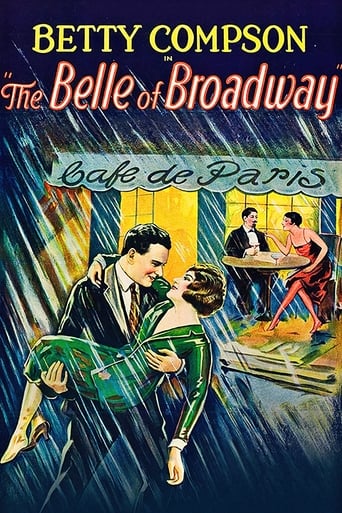
Titles linked here include The Trail of the Lonesome Pine (1916), The Belle of Broadway (1926).
When was Herbert Rawlinson born and when did he die?
Born November 15, 1888; died July 12, 1952.
What awards did Herbert Rawlinson win?
While Rawlinson never received major acting awards during his lifetime, he was honored with a star on the Hollywood Walk of Fame at 6151 Hollywood Boulevard for his contributions to the film industry.
What was Herbert Rawlinson's acting style?
Rawlinson was known for his naturalistic and understated acting style, particularly his subtlety during the silent era. He specialized in portraying sophisticated characters with reserved dignity, emphasizing realism over melodrama.
How did Herbert Rawlinson transition from silent films to talkies?
Rawlinson successfully transitioned to sound films due to his stage background, clear diction, and adaptable acting style. He evolved from romantic leading roles to character parts, maintaining his career through the 1930s and 1940s.
What was Herbert Rawlinson's legacy in cinema?
Rawlinson's legacy lies in his extensive body of work that documents Hollywood's evolution from silent films through the golden age, exemplifying the career of a reliable character actor who provided essential support to countless classic films.