
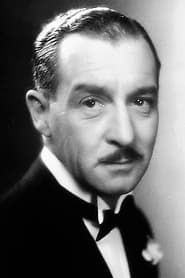
Slipping Wives
"Jealousy staged with a borrowed genius"
Keys: Space play/pause · ←/→ 10s · F fullscreen · M mute · </> speed
About this film
Neglected by her husband, our heroine decides to make him jealous by getting the handyman to play a literary genius at a party and flirt with her. Exhibitors circulated the 1927 print in short programs.
Cast & crew
More films like this
More Comedy films
View all →







More from Fred Guiol
View all →
More about this film
About the production
Release dateApril 17, 1927
Box officeUnknown
ProductionHal Roach Studios
Filmed inLos Angeles, California
This was one of the many comedy shorts produced by Hal Roach Studios during the silent era. The film was shot on the studio's backlot in Culver City. Oliver Hardy was still building his career before his partnership with Stan Laurel was fully established. The production utilized typical silent film techniques including intertitles for dialogue and exaggerated physical comedy for humor.
Themes
Marital discord and reconciliationDeception and mistaken identitySocial class and pretensionJealousy and attention-seekingThe comedy of social situations
Themes & topics
neglected wifehandymandisguisedinner partymistaken identityjealousycomedy of errorssilent film1920smarriage problems
Historical background
Slipping Wives reached screens around 1927, produced in its country of origin. Silent-era houses paired such titles with live music and newsreel bills.
Why this film matters
Researchers cite Slipping Wives when tracing screen culture of its decade.
Making of
The production of 'Slipping Wives' took place during a transitional period in Hollywood, just as sound films were beginning to emerge. Director Fred Guiol, who had a keen eye for comedy timing, worked closely with the cast to develop the physical gags and situational humor. Oliver Hardy, who would soon become half of the comedy duo Laurel and Hardy, was still developing his screen persona in this film. The cast rehearsed extensively to perfect the timing of the physical comedy, particularly the scenes involving Hardy's character trying to maintain his disguise as a sophisticated count. The film was shot quickly, as was typical for comedy shorts of this era, with most scenes being completed in one or two takes to maintain spontaneity.
What critics said
Reviewers in 1927 weighed Slipping Wives on clarity, pacing, and audience response rather than prestige status. No single canonical review dominates later reference works for the title.
Did you know?
- This film features Oliver Hardy before his iconic partnership with Stan Laurel was officially formed
- Priscilla Dean was a major star in the early 1920s but her career was declining by the time this film was made
- The film was part of a series of comedy shorts produced by Hal Roach Studios in 1927
- Director Fred Guiol would later work with Laurel and Hardy on several of their classic films
- The title 'Slipping Wives' was a play on words, referring both to wives who were slipping away from their marriages and the physical comedy of slipping and falling
- This was one of the last films Priscilla Dean made for Hal Roach Studios
- The film was released just as the transition to sound was beginning in Hollywood
- Herbert Rawlinson was a veteran silent film actor who successfully transitioned to talkies
- The film's premise of a neglected wife seeking attention through jealousy was a common trope in 1920s comedies
- The dinner party setting was a popular location for comedy shorts of this era as it allowed for multiple characters and misunderstandings
Visual style
The cinematography in 'Slipping Wives' was typical of comedy shorts from the late silent era, featuring clear, well-lit compositions that emphasized the physical comedy and facial expressions of the actors. The camera work was straightforward and functional, focusing on capturing the action and reactions necessary for the humor to land. The dinner party scenes utilized medium shots to capture multiple characters and their interactions, while close-ups were used for key comedic moments and reactions. The lighting was bright and even, as was standard for comedies of this period, ensuring that all visual gags were clearly visible to the audience.
Innovations
As a standard comedy short of its era, 'Slipping Wives' did not feature any notable technical innovations or achievements. The film was produced using established filmmaking techniques and technology of the late silent period. The cinematography, editing, and production design all followed conventional practices for comedy shorts. The film's technical aspects were competent and professional but not groundbreaking, which was typical for the genre. The focus was on delivering entertainment through performance and storytelling rather than pushing technical boundaries.
Music
As a silent film, 'Slipping Wives' did not have an original synchronized soundtrack. During its original theatrical run, the film would have been accompanied by live music, typically a piano or small orchestra in the theater. The musical accompaniment would have been selected to match the mood and action of each scene, with upbeat, playful music during the comedic moments and more romantic or dramatic music during the emotional scenes. The score would have been compiled from existing musical pieces rather than being originally composed for the film. No original score or specific musical cues were created for this production.
Famous quotes
As a silent film, dialogue was conveyed through intertitles rather than spoken quotes
Memorable scenes
- The dinner party scene where Oliver Hardy's character attempts to maintain his disguise as a sophisticated Russian count, leading to increasingly awkward and humorous situations as he tries to navigate social customs he doesn't understand
What audiences thought
Audiences in 1927 generally responded positively to 'Slipping Wives,' finding it to be an enjoyable and entertaining comedy short. The film's familiar premise and physical comedy appealed to the typical moviegoing audience of the silent era. Oliver Hardy's performance was particularly well-received, with audiences enjoying his bumbling yet endearing characterization. The film's resolution, which reaffirmed traditional marital values while acknowledging modern relationship dynamics, resonated with contemporary viewers. Like most comedy shorts of the period, it was designed to be light, accessible entertainment that could be enjoyed by a broad audience without requiring deep engagement or intellectual effort.
Film connections
Influenced by
- Other Hal Roach comedy shorts
- Mack Sennett comedies
- European farce traditions
- American silent comedy conventions
This film influenced
- Later Laurel and Hardy shorts
- 1930s screwball comedies
- Television sitcom episodes with similar premises
Film restoration
The preservation status of 'Slipping Wives' is uncertain. Like many silent comedy shorts from smaller studios, the film may be partially or completely lost. Some sources suggest that copies may exist in film archives or private collections, but it is not widely available for viewing. The film has not received a commercial home video release or digital restoration, making it difficult for modern audiences to access. Its status as a non-essential film in the careers of its major contributors has likely contributed to its lack of preservation priority.
Where to watch
- The film is not currently available on major streaming platforms or through official distribution channels. Access may be possible through specialized film archives, silent film festivals, or private collectors who specialize in rare silent films. Some film historians and enthusiasts may have access to copies through academic institutions or film preservation organizations.