
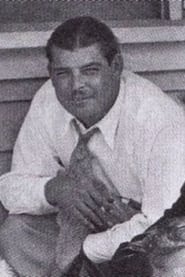
Fred Guiol
Director
Born: February 17, 1898 in San Antonio, Texas, United States Died: May 23, 1964 Active: 1925-1951 Birth Name: Frederick Guiol
Films
12 films
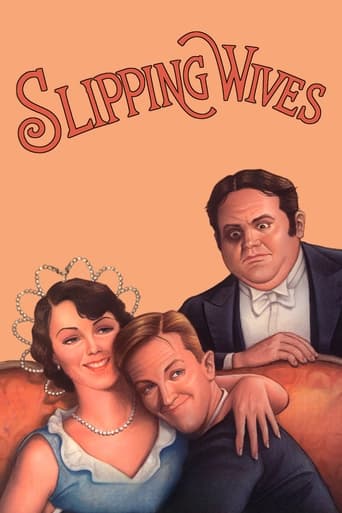
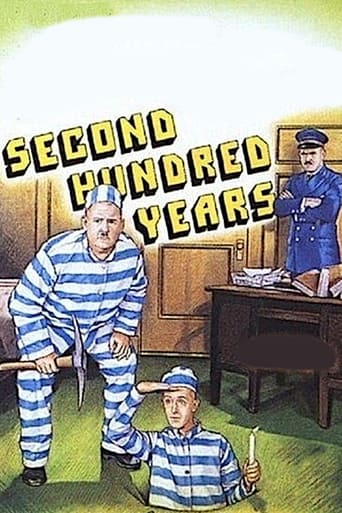
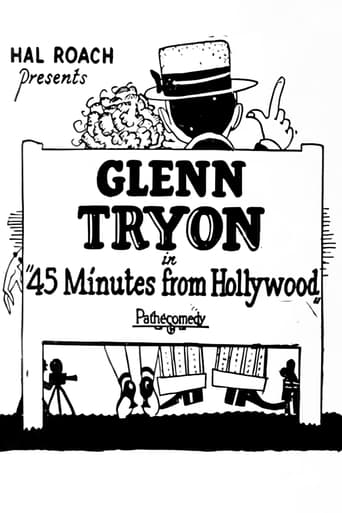
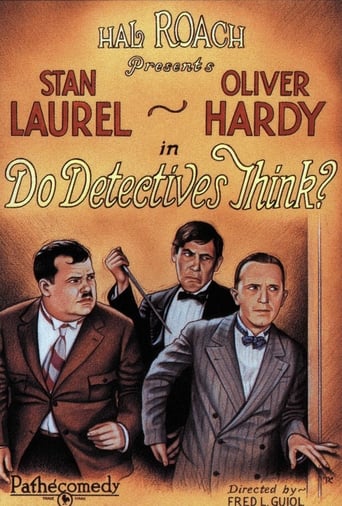
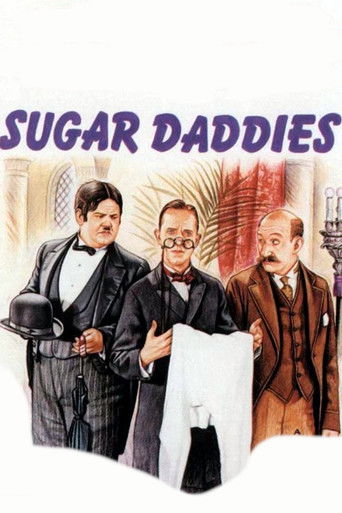
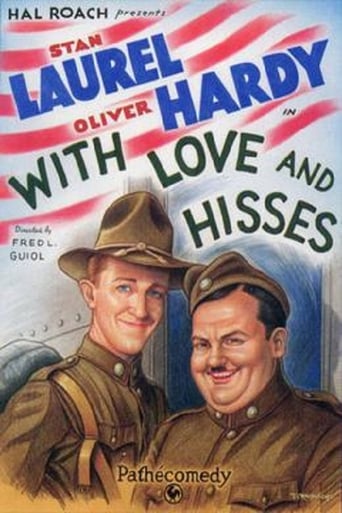
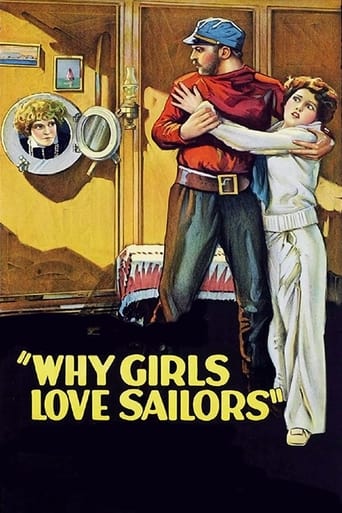
About Fred Guiol
American director and screenwriter who in the development of silent comedy during Hollywood's golden era. Beginning his career in the early 1920s, Guiol established himself as a reliable director for Hal Roach Studios, where he helmed numerous short comedies featuring some of the era's biggest stars. His most notable contributions came through his work with Laurel and Hardy, directing several of their early classic shorts that helped establish their enduring comic partnership. Guiol demonstrated exceptional skill in timing, visual gags, and the emerging language of film comedy, transitioning successfully from silent to sound films. Throughout the 1930s and 1940s, he continued directing feature films and shorts, working with various studios including Universal and Paramount. His over three decades, during which he directed more than 100 films, leaving an indelible mark on American comedy cinema. Guiol's ability to work efficiently while maintaining high comedic standards made him a valued asset in the studio system.
The Craft
Behind the Camera
Fred Guiol's directing style was characterized by precise comedic timing, efficient visual storytelling, and a keen understanding of physical comedy. He excelled at setting up elaborate sight gags and allowing his performers space to develop their characters, particularly in the two-reel comedy format. Guiol was known for his ability to maintain tight pacing while allowing comedic moments to breathe naturally. His approach emphasized clarity in visual comedy, ensuring that gags read well on screen without relying on intertitles. As sound emerged, Guiol adapted his style to incorporate dialogue while preserving the visual comedy foundation of his work.
Milestones
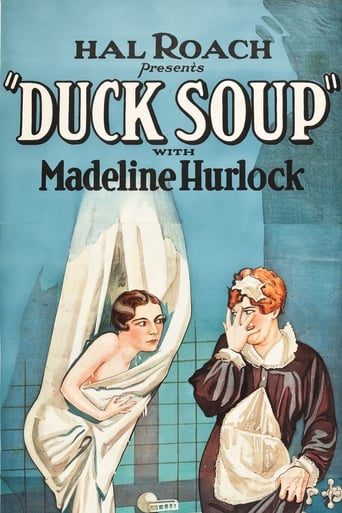
- Directed early Laurel and Hardy shorts including 'Duck Soup' (1927) and 'Leave 'Em Laughing' (1928)
- Transitioned successfully from silent to sound films
- Worked extensively at Hal Roach Studios during their golden age
- Directed feature films in the 1930s and 1940s
- Collaborated with major comedy stars of the era
Best Known For
Iconic Roles
Must-See Films
Accolades
Special Recognition
- Contributed to the development of American film comedy
- work in early sound comedy
Working Relationships
Worked Often With
Studios
Why They Matter
Impact on Culture
Fred Guiol's work significantly shaped the development of American film comedy during its formative years. His direction of early Laurel and Hardy shorts helped establish one of cinema's most enduring comedy teams, contributing to the creation of timeless comic routines that would influence generations of comedians. Guiol's films demonstrated how visual comedy could transcend language barriers, making silent comedy accessible to international audiences. His successful transition to sound films provided a blueprint for other comedy directors navigating the new medium. The efficiency and professionalism he brought to his work helped establish standards for comedy production that would influence Hollywood's studio system for decades.
Lasting Legacy
Fred Guiol's legacy lies in his substantial contributions to the golden age of American comedy, particularly through his work with Laurel and Hardy. The shorts he directed during their formative years contain some of the team's most innovative and enduring comedy sequences. His films continue to be studied by film scholars and appreciated by comedy enthusiasts for their craftsmanship and entertainment value. Guiol represents the generation of directors who helped establish the language of film comedy and successfully navigated the transition from silent to sound cinema. His work at Hal Roach Studios contributed to making it.
Who They Inspired
Fred Guiol influenced subsequent generations of comedy directors through his mastery of visual gags, timing, and character-driven comedy. His techniques for setting up and executing physical comedy routines became standard practice in the industry. Directors who followed in comedy filmmaking drew inspiration from his efficient shooting methods and his ability to balance multiple comedic elements within a single scene. Guiol's work with Laurel and Hardy particularly influenced how comedy teams were filmed, emphasizing the importance of clear character relationships and complementary physical comedy styles. His approach to comedy direction helped establish templates that would be used in everything from screwball comedies to modern sitcoms.
Off Screen
Fred Guiol maintained a relatively private personal life despite his long career in Hollywood. He was known as a reliable and professional director who was well-respected by his colleagues and performers. Guiol's dedication to his craft and his ability to work efficiently within the studio system made him a valuable figure during Hollywood's golden age. He lived in the Los Angeles area for most of his career and remained active in the film industry until his retirement in the early 1950s.
Did You Know?
- '45 Minutes from Hollywood' (1926) was the first film to feature both Laurel and Hardy, though they didn't appear as a team
- Guiol directed Charley Chase in many of his most successful comedy shorts
- He was one of the few directors who successfully worked with both Laurel and Hardy individually before they became a team
- Many of Guiol's films have been preserved by the Library of Congress
- His film 'Love 'Em and Weep' (1927) was later remade as 'The Chimp' (1932) with Laurel and Hardy
- Guiol often worked with the same crew members, creating efficient production units
- He was known for completing films on time and under budget, making him a favorite of studio executives
- Several of his films featured early appearances by actors who would later become major stars
- Guiol's directing style was particularly suited to the two-reel comedy format popular in the 1920s
- He worked extensively with character actor James Finlayson, who appeared in many of his films
Frequently Asked Questions
Who was Fred Guiol?
American on YTB.my. He was best known for his work at Hal Roach Studios, where he directed numerous comedy shorts featuring stars like Laurel and Hardy, Charley Chase, and Max Davidson.
What films is Fred Guiol best known for?
Titles linked here include Duck Soup (1927), Leave 'Em Laughing (1928).
When was Fred Guiol born and when did he die?
Born February 17, 1898; died May 23, 1964.
What awards did Fred Guiol win?
While Fred Guiol did not receive major formal awards during his career, his contributions to American comedy cinema were significant. His work helped establish Laurel and Hardy as one of cinema's most beloved comedy teams and influenced generations of comedy filmmakers.
What was Fred Guiol's directing style?
Guiol's directing style emphasized precise comedic timing, clear visual storytelling, and efficient production methods. He excelled at setting up physical comedy gags and had a keen understanding of how to film comedy teams, particularly Laurel and Hardy, to maximize their comic chemistry.
Did Fred Guiol work with Laurel and Hardy?
Yes, Guiol directed several important early Laurel and Hardy shorts, including '45 Minutes from Hollywood' (1926), which featured both actors before they became an official team, and later classics like 'Duck Soup' (1927) and 'Leave 'Em Laughing' (1928).
How long was Fred Guiol's career?
Fred Guiol's career in Hollywood spanned approximately 26 years, from his beginnings in the mid-1920s through his retirement in the early 1950s. He directed over 100 films during his career, primarily focusing on comedy shorts and features.