

Say It with Babies
"Babies, picnics, and traffic tickets"
Keys: Space play/pause · ←/→ 10s · F fullscreen · M mute · </> speed
About this film
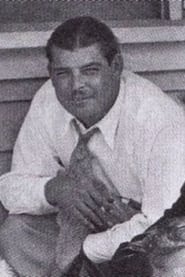
Casper is the baby-expert at a large department store and his life is less than peaceful as he provides much amusement for the babies at his own expense. On Sunday, he and his wife go on a picnic with the neighbors and hoe comes home on his day of rest with three traffic tickets.
Cast & crew
More films like this
More Comedy films
View all →







More from Fred Guiol
View all →
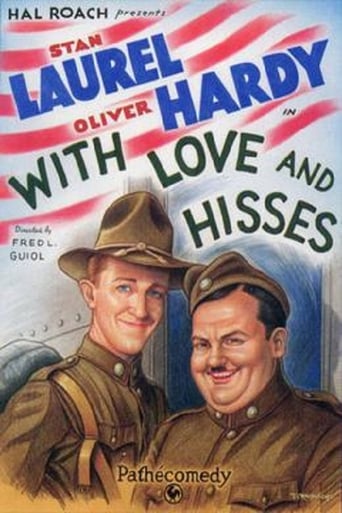
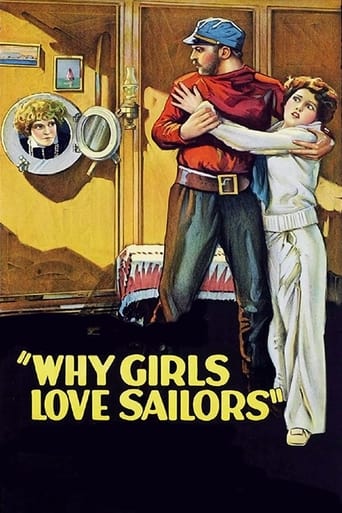
More about this film
About the production
Release dateOctober 10, 1926
ProductionHal Roach Studios
Filmed inLos Angeles, California
This was one of the comedy shorts produced during Hal Roach's prolific period of silent comedy production. The film was shot on the studio's backlot and utilized the department store set that was frequently reused for various Roach productions. The picnic scenes were likely filmed on location or on outdoor sets to achieve the natural lighting desired for outdoor sequences.
Themes
Workplace chaosDomestic disastersThe futility of expertiseModern life complicationsNature vs. civilization
Themes & topics
department storebabiespicnictraffic ticketshornetscomedy of errorssilent comedyphysical comedyworkplace humorday off gone wrong
Historical background
Silent-era audiences encountered Say It with Babies around 1926, as studios refined cross-cutting and star-driven storytelling.
Why this film matters
Say It with Babies shows how silent filmmakers conveyed plot through gesture, title cards, and editing.
Making of
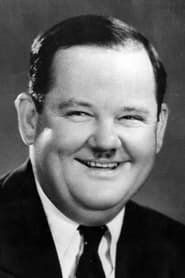
The production of 'Say It with Babies' took place during Hal Roach Studios' golden age of silent comedy production. The studio was known for its efficient production methods and ability to create multiple comedy shorts simultaneously. Director Fred Guiol, who would become instrumental in shaping the Laurel and Hardy partnership, brought his expertise in visual comedy to this production. The department store scenes likely utilized the studio's permanent standing sets, which were designed to be versatile for various productions. The outdoor picnic sequences would have required careful planning to achieve the desired natural lighting while maintaining control over the comedic elements. Oliver Hardy, though not the star, was already developing the screen persona that would make him famous, and his presence in the film adds historical significance for comedy enthusiasts.
What critics said
Press notices for Say It with Babies (1926) are sparse in digitized sources; interest today rests on preserved prints and comparison with related titles.
Did you know?
- features Oliver Hardy before his partnership with Stan Laurel was officially formed, though they had appeared together in previous Roach productions
- Glenn Tryon was one of Hal Roach's featured comedy stars during the mid-1920s, though his fame would later be eclipsed by Laurel and Hardy
- The film was released during the peak of silent comedy production, when short subjects were the primary format for cinematic humor
- Department store settings were popular in silent comedies as they provided opportunities for physical gags and chaos in a confined space
- The traffic ticket subplot reflects the growing automobile culture of 1920s America and the increasing regulation of driving
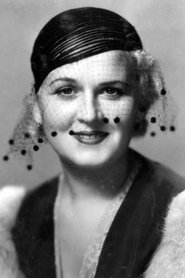
- Vivien Oakland would go on to appear in numerous Laurel and Hardy films as a supporting actress
- Director Fred Guiol would later direct several early Laurel and Hardy films and contribute to their development as a comedy team
- The hornet sequence demonstrates the era's fondness for nature-based comedy and physical discomfort gags
- was part of a series of Glenn Tryon comedies produced by Hal Roach Studios
- The title 'Say It with Babies' plays on the popular advertising phrase 'Say it with flowers' that was common in the 1920s
Visual style
The cinematography in 'Say It with Babies' follows the standard practices for comedy shorts of the mid-1920s. The camera work is functional rather than artistic, focusing on clearly capturing the physical comedy and facial expressions of the performers. The department store sequences likely used static camera positions to frame the chaotic action clearly, allowing the audience to follow multiple comedic elements simultaneously. The outdoor picnic scenes would have benefited from natural lighting, creating a visual contrast with the interior store scenes. The cinematographer would have worked closely with director Fred Guiol to ensure that sight gags were properly composed and that the escalating chaos remained visually coherent throughout each sequence.
Innovations
While 'Say It with Babies' does not feature groundbreaking technical innovations, it demonstrates the polished production techniques that Hal Roach Studios had perfected by the mid-1920s. The film effective use of the studio's standing sets and backlot facilities, demonstrating the efficiency of the studio system. The coordination required for the baby sequences, involving multiple infants and comedic timing, represents a considerable technical achievement in itself. The film also demonstrates the sophisticated understanding of comic pacing that Roach productions had developed, with gags building in intensity and complexity. The outdoor sequences show the studio's ability to achieve consistent visual quality when filming outside the controlled studio environment, a technical challenge for productions of this era.
Music
As a silent film, 'Say It with Babies' would have been accompanied by live musical performance during its theatrical run. The typical accompaniment would have consisted of a pianist or small theater orchestra providing mood-appropriate music synchronized with the on-screen action. For the department store scenes, light, playful music would have been used, while the picnic disaster would have been accompanied by more frantic, comedic scoring. No original composed score survives with the film, and modern screenings typically use period-appropriate compiled scores or improvisation by accompanists specializing in silent cinema. The intertitles, which conveyed dialogue and narrative information, would have been brief and to the point, as was standard for comedy shorts of this period.
Famous quotes
Intertitle: 'Casper - The Baby Expert - But the babies don't agree!'
Intertitle: 'A peaceful picnic - or is it?'
Intertitle: 'Three traffic tickets and a hornet's nest - some day off!'
Memorable scenes
- The opening department store sequence where Casper attempts to demonstrate his baby expertise while being overwhelmed by multiple infants simultaneously
- The picnic disaster scene where Casper's peaceful Sunday outing descends into chaos involving traffic violations and an angry swarm of hornets
- The final scene showing Casper returning home covered in stings and clutching traffic tickets, the visual punchline to his failed day of rest
What audiences thought
Audiences of 1926 responded well to 'Say It with Babies,' as it contained the elements they expected from comedy shorts of the era: relatable situations escalating into chaos, physical comedy, and a sympathetic protagonist beset by misfortune. The baby-related gags were particularly popular with family audiences, while the traffic ticket humor resonated with the growing number of automobile owners in the audience. The film's inclusion in theater programs alongside features and other shorts suggests it was considered reliable entertainment. Modern audiences, primarily silent film enthusiasts and comedy historians, appreciate the film for its historical value and the opportunity to see Oliver Hardy in an early solo appearance, though it lacks the timeless appeal of the greatest silent comedies.
Film connections
Influenced by
- Charlie Chaplin's workplace comedies
- Harold Lloyd's everyman character
- Buster Keaton's disaster sequences
- Mack Sennett's slapstick tradition
This film influenced
- Later Hal Roach comedy shorts
- Laurel and Hardy's disaster sequences
- Three Stooges' workplace comedies
Film restoration
The film survives in archives and is not considered lost. Prints are held in film archives including the Library of Congress and other preservation institutions. The film has been made available through various silent film collections and specialty distributors, though it may not be as widely accessible as more famous comedies of the era.
Where to watch
- Available on various silent film compilation DVDs from specialty distributors
- May be found in public domain collections
- Accessible through film archive screenings and silent film festivals
- Potentially available on streaming services specializing in classic cinema