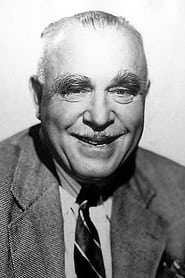
Fred Kelsey
Actor
Born: August 20, 1870 in Sandusky, Ohio, USA Died: September 2, 1961 Active: 1911-1958 Birth Name: Frederick Alvin Kelsey
Films
8 films

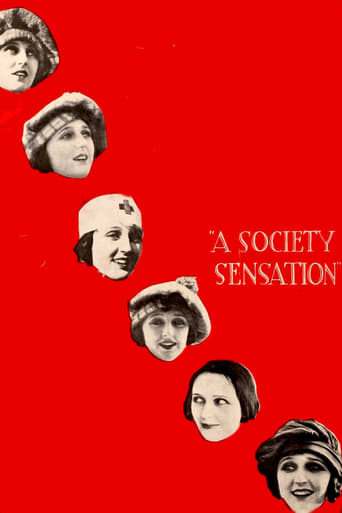
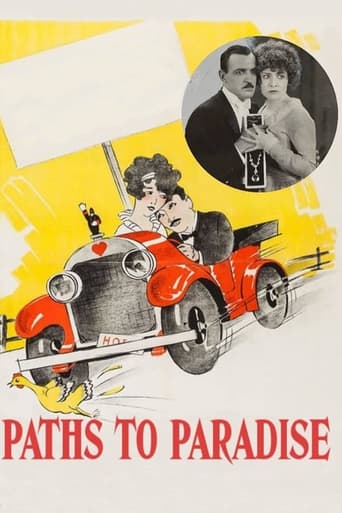
About Fred Kelsey
Prolific American character actor: nearly five decades, from the silent era through the Golden Age of Hollywood. Born in Ohio in 1870, he began his film career in the early 1910s and quickly established himself as a reliable supporting player, particularly in comedy shorts and features. During the silent era, he appeared in numerous comedies including 'Paths to Paradise' (1925) and worked frequently with popular comedians of the day. Kelsey successfully made the transition to sound films, where his distinctive appearance and authoritative demeanor made him perfect for roles as police officers, detectives, judges, and other authority figures. Fred appears in over 400 films throughout his career, becoming one of Hollywood's most recognizable character actors. His later career included appearances in major films like 'The Maltese Falcon' (1941) and 'The Big Sleep' (1946). Kelsey continued working well into his 80s, appearing in television shows in the 1950s before his death in 1961 at age 91.
The Craft
On Screen
Kelsey developed a distinctive acting style characterized by his rotund physique, bushy mustache, and authoritative demeanor. He specialized in playing law enforcement officials and other authority figures with a comically serious approach. His performances were marked by a deadpan delivery and the ability to convey both menace and humor simultaneously. In silent films, he used exaggerated physical comedy and expressive facial gestures to communicate with audiences. In sound films, his gravelly voice and deliberate pacing became trademarks of his performances.
Milestones
- Appeared in over 400 films throughout his career
- Successfully transitioned from silent films to talkies
- Became typecast as police officers and detectives
- Worked with major Hollywood studios including Universal, MGM, and Warner Bros.
- Appeared in classic film noirs like 'The Maltese Falcon' and 'The Big Sleep'
- Transitioned to television in the 1950s
Best Known For
Iconic Roles
Must-See Films
Accolades
Special Recognition
- Hollywood Walk of Fame star (Motion Pictures)
Working Relationships
Worked Often With
Studios
Why They Matter
Impact on Culture
Fred Kelsey became an iconic figure in American cinema as the quintessential character actor, representing the reliable supporting players who gave films their texture and authenticity. His portrayals of police officers and detectives helped establish visual tropes for law enforcement in Hollywood films that would influence generations of filmmakers. Kelsey's ability to seamlessly transition from silent comedy to sound drama, and later to film noir, demonstrated the versatility required of character actors in classical Hollywood. His face became instantly recognizable to movie audiences, making him a cultural touchstone for fans of classic cinema.
Lasting Legacy
Fred Kelsey's legacy lies in his remarkable longevity and the sheer volume of his work, appearing in over 400 films across nearly five decades. He represents the backbone of Hollywood's studio system - the reliable character actors who could be counted on to deliver consistent performances regardless of the film's genre or quality. His typecasting as authority figures created a template for character actors specializing in similar roles. Today, film scholars and classic movie enthusiasts celebrate Kelsey as an example of the journeyman actor who, while never achieving stardom, made invaluable contributions to countless classic films.
Who They Inspired
Kelsey influenced subsequent generations of character actors by demonstrating the value of specialization and reliability in supporting roles. His ability to play authority figures with both gravitas and subtle humor inspired actors like Edgar Kennedy and William Demarest. The visual template he established for police officers and detectives in film noir influenced casting directors and filmmakers for decades. His successful transition from silent to sound films provided a model for other actors facing technological changes in the industry.
Off Screen
Fred Kelsey was married twice during his lifetime. He was known as a reliable and professional actor in Hollywood, rarely involved in scandals or controversies. He maintained a steady career through multiple decades of changing film styles and technologies. Kelsey was respected by his colleagues for his work ethic and versatility. He lived in Los Angeles for most of his adult life and remained active in the film industry until his health began to fail in the late 1950s.
Family
- Margaret Kelsey (1900-1925)
- Martha Kelsey (1926-1961)
Did You Know?
- Appeared in over 400 films during his career
- Prolific character actors in Hollywood history
- Often played the same type of role (police officer/detective) but worked with nearly every major star of his era
- Successfully made the transition from silent films to talkies without losing momentum
- His distinctive look - rotund build with mustache - made him instantly recognizable to audiences
- Worked with comedy legends like Charlie Chaplin, Buster Keaton, and the Marx Brothers
- Appeared in both versions of 'The Maltese Falcon' (1931 and 1941)
- Continued acting into his 80s, appearing on television in the 1950s
- Never received top billing but was considered one of Hollywood's most valuable supporting players
- His filmography includes appearances in some of the most celebrated films of the 1930s and 1940s
In Their Own Words
As a character actor: 'I never cared about being the star. I just wanted to work, and work I did.'
On his typecasting: 'If they needed a cop, they called Fred Kelsey. I was glad to oblige.'
Frequently Asked Questions
Who was Fred Kelsey?
Screen credits include over 400 films from the silent era through the 1950s. He was best known for playing police officers, detectives, and other authority figures, becoming one of Hollywood's most recognizable supporting actors during the Golden Age of cinema.
What films is Fred Kelsey best known for?
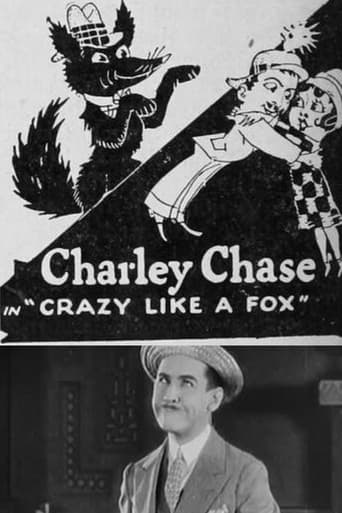
Titles linked here include Paths to Paradise (1925), Crazy Like a Fox (1926).
When was Fred Kelsey born and when did he die?
Born August 20, 1870; died September 2, 1961.
What awards did Fred Kelsey win?
While Fred Kelsey received no major acting awards during his lifetime, he was honored with a star on the Hollywood Walk of Fame for his contributions to motion pictures. His legacy lies in his remarkable body of work rather than formal accolades.
What was Fred Kelsey's acting style?
Kelsey developed a distinctive style characterized by his authoritative presence, deadpan delivery, and ability to balance menace with humor. He specialized in playing law enforcement officials with a comically serious approach, using his rotund physique and bushy mustache to create memorable characterizations.
How did Fred Kelsey transition from silent to sound films?
Kelsey successfully made the transition from silent films to talkies in the late 1920s, unlike many of his contemporaries. His distinctive gravelly voice and established screen persona as authority figures made him valuable in the new sound era, actually expanding his career opportunities.
Did Fred Kelsey work in television?
Yes, in the 1950s, Kelsey transitioned to television appearing in several popular series of the era. He continued playing his signature roles as police officers and judges well into his 80s, demonstrating his remarkable longevity as a performer.
What was Fred Kelsey's contribution to film noir?
Kelsey became a familiar face in film noir classics of the 1940s, often playing police detectives or other law enforcement figures. His appearances in films like 'The Maltese Falcon' and 'The Big Sleep' helped establish the visual template for noir authority figures that would influence the genre for decades.