

Jewish Prudence
"Children unimpressed young lawyer."
Keys: Space play/pause · ←/→ 10s · F fullscreen · M mute · </> speed
About this film
Papa Gimplewart, father to three children is unimpressed by the young lawyer who wants to marry his daughter.
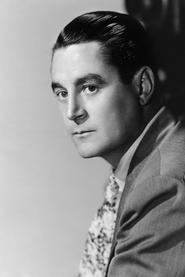
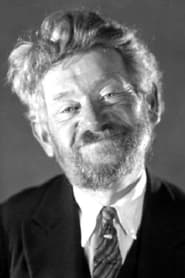
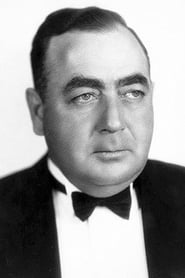
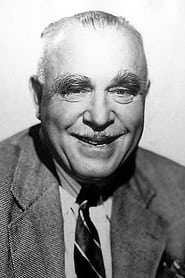
Cast & crew
More films like this

More Comedy films
View all →






More from Leo McCarey
View all →
More about this film
About the production
Release dateJuly 9, 1927
ProductionHal Roach Studios
Filmed inLos Angeles, California
Jewish Prudence was part of Hal Roach Studios' successful series of comedy shorts starring Max Davidson, who specialized in playing Jewish patriarch characters. The film was produced during the transition period from silent to sound cinema, though it was released as a silent film. Leo McCarey, who would later direct classic comedies like The Awful Truth and Going My Way, was honing his directorial skills on these two-reel comedies at Roach. The production utilized typical studio sets of the era, with interior scenes shot on soundstages at the Roach studio lot in Culver City.
Themes
Family relationshipsGenerational conflictImmigrant experienceCultural assimilationParental approval
Themes & topics
father-daughter relationshipcourtshipfamily comedyethnic humorwedding plansparental objectionyoung lovecomedy of mannerssilent filmtwo-reel short
Historical background
By 1927, competing studios crowded weekly bills, and Jewish Prudence had to win attention alongside newsreels and shorts.
Why this film matters
Festival and repertory screenings keep Jewish Prudence in circulation among silent- and classic-film communities.
Making of
The production of Jewish Prudence took place during a particularly creative period at Hal Roach Studios, where Leo McCarey was developing his signature style of blending sentiment with comedy. McCarey worked closely with Max Davidson to refine the character of Papa Gimplewart, incorporating elements of Jewish family life that resonated with immigrant audiences of the era. The casting of Martha Sleeper as Davidson's daughter was a deliberate choice, as she had established chemistry with the veteran comedian in previous Roach productions. The film was shot quickly on the studio's existing standing sets, typical of the efficient production methods employed by comedy short producers of the time. McCarey encouraged improvisation during filming, allowing Davidson to ad-lib within the framework of the scripted scenes, which contributed to the authentic feel of the father-daughter interactions.
What critics said
Trade papers near 1927 listed Jewish Prudence among weekly program offerings rather than as a headline critical event.
Did you know?
- Max Davidson was one of the few actors in Hollywood's silent era who specialized in portraying Jewish characters authentically, drawing from his own background and experiences.
- Leo McCarey considered his work with Max Davidson at Hal Roach Studios as crucial training ground for his later Academy Award-winning career as a comedy director.
- The film was part of a popular series of 'Jewish comedies' that Hal Roach produced in the 1920s, which were commercially successful despite their ethnic stereotyping by modern standards.
- Johnny Fox, who played the young lawyer, was a rising star at Hal Roach who would later transition to character roles in sound films.
- The title 'Jewish Prudence' was typical of the ethnic humor popular in 1920s cinema, where comedies often highlighted cultural characteristics for comic effect.
- This film was released just months before The Jazz Singer revolutionized cinema with synchronized sound, making it among the last wave of pure silent comedies.
- Hal Roach Studios was known as 'The Lot of Fun' and produced more comedy shorts than any other studio during the silent era.
- The film's runtime of 20 minutes was standard for two-reel comedy shorts of the period, which were typically shown as supporting features before main attractions.
- Martha Sleeper was one of the few actresses who regularly appeared opposite Max Davidson in his comedy shorts, playing his daughter in multiple films.
- The film's preservation status makes it relatively rare among silent comedies, as many shorts from this period have been lost to time and neglect.
Visual style
The cinematography of Jewish Prudence reflects standard practices for comedy shorts of the late silent era. The film was shot by Hal Roach Studios' regular cinematographers who specialized in comedy, utilizing relatively static camera positions that allowed the performers' physical comedy to take center stage. The lighting was bright and even, typical of studio productions of the period, ensuring clear visibility of facial expressions and comedic timing. Interior scenes were shot on constructed sets designed to suggest a middle-class Jewish home, with attention to period-appropriate details in props and set dressing. The visual style prioritized clarity and readability over artistic experimentation, as was common in comedy shorts where the focus remained on performer-driven humor rather than technical innovation.
Innovations
Jewish Prudence did not introduce significant technical innovations but represents solid craftsmanship typical of Hal Roach Studios' comedy productions. The film demonstrates effective use of the two-reel format, packing a complete narrative arc with character development and resolution into its 20-minute runtime. The editing pace is brisk yet allows comedic moments to breathe, showing McCarey's developing sense of timing that would later define his feature work. The film makes effective use of continuity editing and cross-cutting between characters to build comedic tension, techniques that were becoming standardized in Hollywood by the late 1920s. While not technically groundbreaking, the film exhibits the polished production values and efficient storytelling that characterized Roach's approach to comedy shorts.
Music
As a silent film, Jewish Prudence did not have an original synchronized soundtrack. During its original theatrical run, the film would have been accompanied by live musical performance, typically a piano or small orchestra in larger theaters. The musical accompaniment would have been selected from standard compilations of mood music appropriate for comedies, with faster-paced tunes for comedic sequences and more sentimental melodies for emotional moments. Some theaters might have used cue sheets provided by the studio suggesting appropriate musical selections for specific scenes. The film did not feature any intertitles with song lyrics, as was sometimes done in musical-themed silent films of the era.
Famous quotes
A father knows what's best for his daughter, even when she doesn't know it herself.
Love is fine, but a good profession is better!
In my house, we respect tradition - and we pay our bills on time!
Memorable scenes
- The opening sequence where Papa Gimplewart interrogates the young lawyer about his finances and prospects, setting up the central conflict of generational values versus youthful ambition. The scene showcases Max Davidson's signature blend of stern authority and underlying warmth.
What audiences thought
Jewish Prudence was well-received by audiences of its time, particularly in urban areas with large immigrant populations. The film's themes of family, tradition, and parental approval resonated strongly with first and second-generation Americans navigating between old world customs and new world opportunities. Max Davidson had developed a loyal following among both Jewish and non-Jewish audiences who appreciated his gentle humor and relatable family situations. The comedy shorts of this era were typically shown as part of larger theater programs, and Davidson's films were often highlighted in theater advertisements as special attractions. Audience feedback from the period suggests that viewers found the film both entertaining and emotionally satisfying, with the father-daughter relationship at its heart providing universal appeal beyond its specific cultural context.
Film connections
Influenced by
- Charlie Chaplin's family comedies
- Harold Lloyd's everyday character comedy
- Earlier ethnic comedy shorts
- Stage comedy traditions
- Vaudeville humor
This film influenced
- Other Max Davidson comedies
- Later Hal Roach comedy shorts
- Early sound comedy features
- Ethnic family comedies of the 1930s
Film restoration
Jewish Prudence survives in archives and has been preserved by film institutions, though it remains relatively rare compared to major silent features. The film exists in 16mm and 35mm copies held by various film archives, including the Library of Congress and the Museum of Modern Art. Some versions may show signs of age and deterioration typical of films from this era, but the movie is not considered lost. Restoration efforts have been undertaken by silent film preservationists, ensuring that this example of late silent comedy remains accessible for study and appreciation.
Where to watch
- The film is occasionally screened at silent film festivals and special cinema events
- Archival copies may be viewed by appointment at film research institutions
- Some versions circulate among silent film collectors and enthusiasts
- Selected streaming platforms specializing in classic and silent cinema occasionally feature the film