

Gaston Glass
Actor
Born: November 24, 1899 in Paris, France Died: January 12, 1965 Active: 1920-1927
Films
4 films
About Gaston Glass
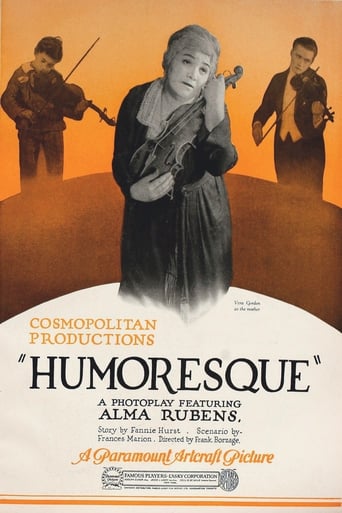
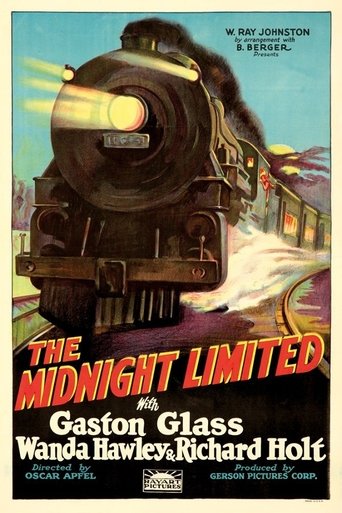
French-born American actor best remembered for his work during the silent era and the transition into early sound film. He began appearing in motion pictures in the early 1920s and built a career largely as a supporting player and leading man in melodramas, romantic dramas, and society pictures. Glass is perhaps best recalled today for his appearance in Humoresque (1920), one of the notable prestige productions of its era, as well as later films such as The Midnight Limited (1926) and Jewish Prudence (1927). His screen persona tended to suit polished, sympathetic, and urbane characters, which made him a useful performer in films that required elegance and emotional restraint rather than broad theatricality. Like many silent-era actors, he worked steadily across a relatively short but busy span of years, and his filmography reflects the rapid turnover and stylistic variety of 1920s studio filmmaking. Available records on his private life are limited, but his career places him among the many international performers who found opportunities in American cinema during the silent period. He remains a minor but noteworthy figure in classic film history because his work survives as part of the broader texture of late silent-era Hollywood.
The Craft
On Screen
Gaston Glass appears to have been cast primarily for his refined, youthful, and emotionally readable screen presence. In surviving descriptions of silent-era casting patterns, he fits the type of actor who conveyed feeling through controlled gesture, expressive facial work, and a polished composure suited to melodrama and romantic narrative. His roles suggest a style that was understated rather than flamboyant, which was especially valuable in the 1920s as film acting moved away from stage mannerisms toward a more intimate camera style. He seems to have been effective in supporting and featured parts that required charm, sincerity, and social elegance.
Milestones
- Appeared in the silent film Humoresque (1920), one of his best-known early screen credits
- Built a steady career in American silent cinema throughout the 1920s as a featured performer and leading man
- Appeared in The Midnight Limited (1926), reflecting his continued presence in mid-1920s studio productions
- Appeared in Jewish Prudence (1927), one of the better-remembered titles associated with his filmography
- Worked during a significant transitional moment in film history when screen acting styles were becoming more naturalistic and camera-focused
- Represented the many European-born performers who contributed to Hollywood's silent-era cosmopolitan cast of characters
Best Known For
Iconic Roles
Must-See Films
Working Relationships
Worked Often With
Studios
Why They Matter
Impact on Culture
Gaston Glass's cultural impact lies less in celebrity status than in the historical value of his work as part of the fabric of silent-era American cinema. He is representative of the many immigrant and foreign-born actors who helped shape Hollywood's international character in the 1920s, when the industry drew talent from Europe and other regions to fill a wide range of roles. Performers like Glass contributed to the polished visual language of silent film by bringing a cosmopolitan presence to melodramas, romances, and society pictures. While he did not become a major star, his career illustrates how classic cinema was built not only by marquee names but also by reliable supporting and featured players who populated the screen world of the era. His surviving credits help historians trace casting patterns, performance styles, and the kinds of stories favored in late silent Hollywood.
Lasting Legacy
Glass's lasting legacy is as a documented participant in the silent film era rather than as a household name. His career survives in filmographies and reference works that preserve the names of many performers whose work might otherwise be forgotten. For researchers and classic cinema enthusiasts, he is valuable as an example of the transnational makeup of early Hollywood and the breadth of talent employed by the studios in the 1920s. Because many silent films are lost or survive only in fragments, actors like Glass are often remembered through credit lists, trade-paper notices, and the films that continue to be screened or studied. His place in film history is modest but authentic: he is part of the generation of actors who helped define screen performance before sound transformed the industry.
Who They Inspired
There is no strong evidence that Gaston Glass directly mentored major later stars or developed a widely recognized school of performance. His influence is best understood indirectly, through the example of the many supporting actors who helped establish the visual and emotional conventions of silent film acting. As a French-born performer working in American pictures, he also reflects the broader influence of European talent on Hollywood's development. His career stands as part of the lineage of refined, camera-aware acting that became standard in the late silent period and carried into early sound cinema.
Off Screen
Publicly available information about Gaston Glass's personal life is limited, which is common for performers whose fame was modest and whose careers belonged primarily to the silent era. He is documented as having been born in Paris and later working in the United States, but detailed biographical material about his family, marriages, or domestic life is not widely preserved in standard film references. Because he was active before the era of extensive studio publicity files and celebrity magazine coverage, many aspects of his private life remain obscure. No widely cited scandals or major personal controversies are attached to his name in the historical record usually consulted by film historians.
Education
No reliable public information about his formal education is widely documented in standard film reference sources.
Did You Know?
- He was born in Paris, placing him among the many European-born performers who worked in American silent cinema.
- His most commonly cited active period is the 1920s, with known credits from 1920 through 1927.
- He is remembered for appearing in Humoresque (1920), a title often discussed in silent-film histories.
- His filmography includes The Midnight Limited (1926), a title that reflects the popularity of melodrama and suspense in the silent era.
- He also appeared in Jewish Prudence (1927), one of the last years of his known screen activity.
- Compared with major stars of the period, his historical footprint is relatively small, which makes him a representative figure of working silent-era actors.
- Documentation on his private life is sparse, so many standard biographical details are not widely known.
- He is often of interest to film historians precisely because he illustrates the breadth of cast lists in 1920s Hollywood rather than because he was a major celebrity.
Frequently Asked Questions
Who was Gaston Glass?
French-born with credits in this catalog. He is best remembered as a supporting and featured performer in pictures such as Humoresque, The Midnight Limited, and Jewish Prudence.
What films is Gaston Glass best known for?
Titles linked here include Humoresque (1920), The Midnight Limited (1926).
When was Gaston Glass born and when did he die?
Born November 24, 1899; died January 12, 1965.
What awards did Gaston Glass win?
No major awards or formal industry honors are widely documented for Gaston Glass. His significance is historical rather than award-based, as he was a working actor of the silent era whose credits survive in film records.
What was Gaston Glass's acting style?
He appears to have specialized in restrained, elegant silent-era performance, relying on expressive facial work and controlled gesture. His screen presence fit romantic and melodramatic roles that required composure and emotional clarity rather than broad theatricality.
What is Gaston Glass's legacy in film history?
His legacy lies in his place among the many international actors who helped define the look and feel of 1920s Hollywood. Though not a major star, he remains part of the essential supporting cast of silent cinema, preserving an important slice of film history.