1920 · Approximately 60 minutes

Also available on: Archive.org
Mothers of Men

Mothers of Men

1920 Approximately 60 minutes United States
RedemptionFemale reputation and social stigmaWar and espionageBlackmail and coercionLove and forgiveness

Plot

Marie Helmar, a young Austrian woman left penniless after her father’s death, is ruined socially when she becomes the victim of the Prussian Captain Von Pfaffen. Seeking refuge, she joins her French relatives, the De La Motte family, and gradually falls in love with their eldest son, Gerome. On the eve of their wedding, Marie writes Gerome a confession about her past, but the letter is returned unopened, leaving her in anguish. Soon afterward, she discovers that a new household servant is actually Von Pfaffen, who blackmails her into passing along military information by threatening to expose her disgrace; she complies with false information that brings about his own humiliation. In revenge, Von Pfaffen tries to kill Marie, and she shoots him in self-defense, only to be overcome by guilt afterward. When she finally presents Gerome with her confession, he reveals that he had read her letter the night it was written, and the marriage survives as Marie learns that her future with him remains secure, ending with the promise of their child.

About the Production

Release Date 1920
Production Jesse D. Hampton Productions, Paramount-Artcraft Pictures
Filmed In United States, California

Mothers of Men was a silent-era melodrama directed by Edward José and released in 1920 through Paramount-Artcraft, the distribution brand associated with Paramount’s prestige releases of the period. As with many productions from this era, detailed budgetary records and complete location documentation have not survived in accessible sources, but the film was evidently mounted as a polished studio feature rather than an independent or regional production. The surviving plot description suggests a conventional but emotionally heightened romantic-and-spy melodrama, combining domestic conflict, wartime intrigue, blackmail, and moral redemption. Like many films of the period, it was made without synchronized sound and relied heavily on expressive acting, intertitles, and visual storytelling.

Historical Background

Mothers of Men was made in 1920, just after the end of World War I, when American audiences were still processing the war’s human, political, and moral aftermath. Films of this period often used European settings, especially Austria, France, and Prussia/Germany, to dramatize questions of loyalty, honor, and the social consequences of wartime conflict. The silent film industry was in a period of rapid consolidation, with major studios like Paramount building national distribution networks and promoting features as culturally significant entertainment. The film also reflects early 20th-century social attitudes toward female sexuality, reputation, and redemption, presenting Marie’s crisis in terms that are revealing of the era’s moral code. Its plot suggests an interest in the psychological burden borne by women in narratives of honor and war, making it a useful artifact of postwar American melodrama.

Why This Film Matters

Although not widely known today, Mothers of Men is culturally significant as an example of how early Hollywood melodrama treated women’s reputations, wartime nationalism, and domestic morality in a single narrative. The film illustrates the silent era’s ability to merge intimate emotional stakes with broader geopolitical anxieties, turning the trauma of war into a personal morality play. It is also part of the surviving record of Edward José’s career and of Claire Whitney’s and Martha Mansfield’s screen work, which matters to historians because many silent films from this era are lost or only partially documented. The title itself hints at a more expansive social ambition, suggesting that motherhood and women’s moral authority were meant to resonate beyond the individual story, even if the surviving plot summary emphasizes romance and self-sacrifice. For modern viewers and scholars, the film is representative of the period’s storytelling conventions and of the studio-era handling of female-centered melodrama.

Making Of

Very little detailed production documentation survives for Mothers of Men, which is common for lesser-known silent features of the early 1920s. What can be said with confidence is that it was produced in the studio system under the Paramount-Artcraft umbrella, a distribution arrangement designed to present features as higher-end offerings for major exhibitors. The film appears to have relied on strong melodramatic situations and star-centered performances rather than elaborate spectacle, which would have kept it within the normal production methods of the period. As with many silent productions, scenes of emotional revelation and confrontation would have been shaped to play clearly through gesture, facial expression, and intertitles, since no synchronized dialogue track existed. Surviving plot summaries indicate that the film’s final revelation hinges on a letter and a concealed act of mercy by the fiancé, a storytelling device that would have been staged for maximum visual clarity and emotional impact.

Visual Style

Specific cinematographer credit and shot-by-shot visual analysis are not consistently preserved in accessible summaries for this title, so detailed technical attribution is limited. As a silent 1920 drama, the film would have depended on high-contrast black-and-white imagery, carefully framed reaction shots, and staging designed to clarify emotional and narrative shifts without spoken dialogue. The story’s emphasis on blackmail, confession, and attempted murder suggests a visual style that likely leaned on close-ups, doorway compositions, and symbolic blocking to heighten suspense. The wartime setting would also have encouraged use of uniforms, interiors, and domestic spaces to contrast public duty with private shame. Any visual distinction would have come from performance, composition, and editing rather than overt special effects.

Innovations

No specific technical innovations are known for this film in the surviving record. Its significance lies more in its period style than in any documented breakthrough. Like many well-made silent dramas, it likely depended on efficient studio production methods, expressive performance, and clear narrative construction. The film’s use of letter revelation, hidden identity, and a final moral reversal shows the period’s mastery of visually legible melodramatic storytelling. There is no evidence that it introduced new cinematic techniques, camera technology, or special effects that became widely noted.

Music

As a silent film, Mothers of Men did not have a synchronized recorded soundtrack. Musical accompaniment would have been provided live in theaters by a pianist, organist, or small orchestra, depending on venue and exhibition practice. No original cue sheet or composed score is widely documented in accessible modern sources for this title. The emotional tone would therefore have been shaped by local exhibition music rather than a standardized soundtrack. Intertitles would have carried dialogue, exposition, and key emotional beats.

Famous Quotes

No verified surviving dialogue quotations are widely documented for this silent film.
As a silent feature, its emotional content would have been conveyed primarily through intertitles and performance rather than memorable spoken lines.

Memorable Scenes

  • Marie discovers that the family servant is actually the blackmailing Captain Von Pfaffen, turning an apparently domestic setting into a threat-filled confrontation.
  • Marie passes false war information to Von Pfaffen, using deception against the man who has trapped her.
  • The attempted murder scene in which Von Pfaffen attacks Marie and she shoots him in self-defense provides the film’s most overt moment of melodramatic violence.
  • The final reconciliation scene, in which Gerome reveals that he had read Marie’s confession letter on the night before their wedding, resolves the story through forgiveness and delayed revelation.

Did You Know?

  • The film is a silent drama from the immediate post-World War I period, when European wartime settings were still common in American melodrama.
  • Edward José directed a number of silent-era features and was known for staging polished, actor-driven dramas.
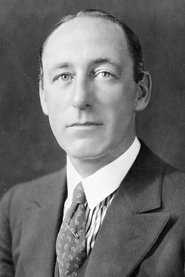
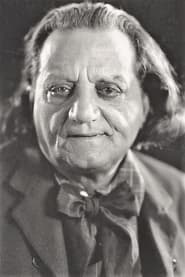
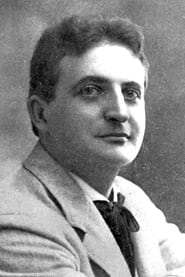
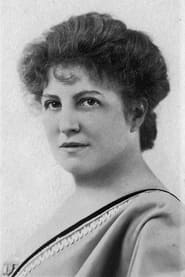
  • The cast includes Claire Whitney, Lumsden Hare, and Martha Mansfield, all of whom were active in silent cinema.
  • Martha Mansfield, one of the credited performers, later became a tragic figure in film history after her death in a 1923 on-set costume fire.
  • The story combines romance, patriotic intrigue, and blackmail, a mixture that was very typical of prestige melodrama in the early 1920s.
  • The title Mothers of Men suggests a broader social or moral theme, but the surviving plot centers on a highly personal domestic crisis rather than a purely political one.
  • Because it is a silent film from 1920, any original score would have varied by theater and is not preserved as a fixed soundtrack.
  • The film is identified in modern databases by both its Wikidata item and TMDB listing, helping distinguish it from other similarly titled or obscure lost-era productions.
  • Its premise reflects the era’s fascination with women caught between wartime espionage, sexual double standards, and the prospect of social redemption.

What Critics Said

Contemporary critical reception has not been widely preserved in accessible modern summaries, and the film is not among the silent-era titles with abundant newspaper or trade-paper coverage available in standard reference sources. In the absence of surviving broad review data, it is best understood as a routine prestige melodrama of its day rather than a major critical landmark. Modern critical attention is similarly limited, largely because the film is obscure and not widely circulating. Where it is discussed by historians, it is usually in the context of lost or little-seen silent productions, studio-era melodramas, or the careers of its performers. No strong consensus of acclaim or condemnation is documented in the commonly accessible record.

What Audiences Thought

Audience reception data is not well documented in surviving public sources. As a 1920 Paramount-Artcraft release, it would likely have been shown to audiences accustomed to melodrama, wartime intrigue, and star-centered narratives, all of which were popular during the period. The survival of the film’s cataloged synopsis suggests it was distributed with enough visibility to be recorded, but not enough long-term fame to leave extensive audience-response archives. Like many silent features of its class, it likely played as a respectable commercial entertainment rather than a sensational blockbuster. No verified box-office figures or audience surveys are known to survive in the standard record.

Film Connections

Influenced By

  • Post-World War I melodramas
  • Stage-style domestic dramas
  • Popular wartime romance fiction
  • Silent-era moral-reform melodramas

This Film Influenced

  • No specific later films are directly documented as being influenced by this title
  • Later silent and early sound melodramas with female-centered wartime blackmail plots

Film Restoration

Survival status is not clearly documented in the readily accessible record. The film is obscure and not widely circulating in modern home-video or streaming editions, so it is best treated as a film with uncertain preservation status unless a specific archive copy is confirmed. It may survive in partial or archival form, but a fully restored public print is not commonly known.

Themes & Topics

silent dramaAustrian heroinePrussian officerblackmailconfessionwar secretsmarriageself-defense