Claire Whitney
Actor
Born: May 6, 1890 in New York City, New York, USA Died: August 27, 1969 Active: 1915-1919
Films
3 films
About Claire Whitney
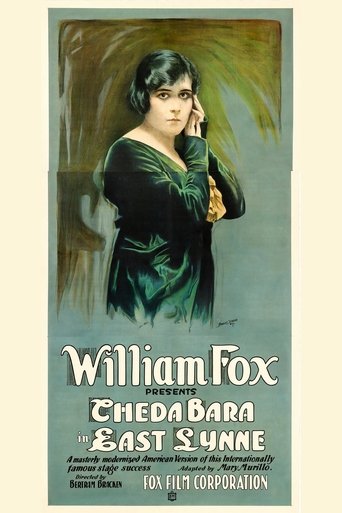
American silent film actress who emerged during the golden age of silent cinema in the mid-1910s. She began her career with Thanhouser Film Corporation, one of the studios of the early film industry, quickly establishing herself as a capable leading lady. Whitney's most notable performances came in adaptations of popular novels and stage plays, where she demonstrated a remarkable ability to translate theatrical emotion to the silent screen. Her portrayal of Lady Isabel Carlyle in the 1916 adaptation of 'East Lynne' showcased her talent for melodramatic roles, while her performance in 'The Career of Katherine Bush' (1919) demonstrated her range in more complex character studies. Throughout her brief but impactful career, she worked with some of the era's most respected directors and appeared in over two dozen films. Whitney retired from acting in 1919 following her marriage, a common path for actresses of her generation, leaving behind a legacy of performances that captured the essence of silent-era dramatic storytelling.
The Craft
On Screen
Claire Whitney embodied the classic silent film acting technique characterized by expressive facial features and deliberate, meaningful gestures. Her performances were marked by a theatrical quality that translated well to the screen, with particular emphasis on eye movement and subtle facial expressions to convey complex emotions. Whitney had a natural talent for melodrama, able to portray suffering, joy, and moral conflict with convincing intensity. Unlike some of her contemporaries who relied on exaggerated movements, her style incorporated a more restrained approach that prefigured the naturalism of later sound cinema.
Milestones
- Leading role in Thanhouser's East Lynne (1916)
- Starring role in The Career of Katherine Bush (1919)
- Multiple leading roles for Thanhouser Film Corporation
- Work in adaptations of popular literary works
- Transition from supporting to leading roles within four years
Best Known For
Iconic Roles
Must-See Films
Accolades
Special Recognition
- Recognition as one of Thanhouser's leading actresses of the late 1910s
Working Relationships
Worked Often With
Studios
Why They Matter
Impact on Culture
Claire Whitney contributed to the development of narrative cinema during a crucial transitional period when films were evolving from short subjects to feature-length productions. Her work in literary adaptations helped establish the credibility of cinema as a medium for serious dramatic storytelling. As a leading lady for Thanhouser, she participated in the studio's efforts to compete with larger Hollywood producers, contributing to the diversity of American film production beyond the West Coast. Her performances in melodramas reflected and shaped early 20th century American attitudes about morality, gender roles, and social class.
Lasting Legacy
Though her career was brief, Claire Whitney's legacy endures through the surviving films of the Thanhouser studio, which have been preserved and studied by film historians and archivists. She represents the generation of actresses who bridged the gap between the early experimental period of cinema and the sophisticated star system of the 1920s. Her decision to retire for marriage exemplifies the choices faced by women in early Hollywood, making her story relevant to discussions about gender and professional life in the film industry. The preservation of her films continues to provide insight into acting techniques and storytelling methods of the silent era.
Who They Inspired
Whitney's naturalistic approach to silent film acting influenced younger actresses who sought to move beyond the exaggerated gestures common in early cinema. Her work in literary adaptations demonstrated how complex characters could be successfully translated from page to screen, setting precedents for future film adaptations. Though she did not directly mentor many actresses due to her short career, her performances served as examples for the next generation of film actors studying the craft of screen acting without dialogue.
Off Screen
Claire Whitney married James W. Bryan in 1919, which led to her retirement from the film industry at the height of her career. This decision reflected the societal norms of the era, where marriage often meant the end of a woman's professional acting career. After leaving films, she devoted herself to family life and private pursuits. Whitney spent her later years away from the public eye, living a quiet life until her death in 1969 at age 79.
Education
Limited information available, likely received education appropriate for a young woman of her social class in early 20th century New York
Family
- James W. Bryan (1919-1969)
Did You Know?
- Was one of Thanhouser Film Corporation's most reliable leading actresses in the late 1910s
- Appeared in over 25 films during her four-year career
- East Lynne (1916) was one of her most successful and critically acclaimed films
- Retired from acting at age 29 following her marriage
- Many of her Thanhouser films have been preserved by film archives
- Worked during the transition period when American film production was shifting from New York to Hollywood
- Her films often featured strong female protagonists, reflecting changing attitudes about women's roles
- The Career of Katherine Bush was one of her final films before retirement
- Thanhouser studio was known for producing quality films on modest budgets, where Whitney shined
- Her acting style was noted for its subtlety compared to some contemporaries
In Their Own Words
Limited documented quotes available due to era and brevity of career
Frequently Asked Questions
Who was Claire Whitney?
American silent film actress active from 1915 to 1919, best known for her work with Thanhouser Film Corporation. She starred in notable films like East Lynne (1916) and The Career of Katherine Bush (1919) before retiring from acting upon her marriage in 1919.
What films is Claire Whitney best known for?
Titles linked here include East Lynne (1916), The Career of Katherine Bush (1919).
When was Claire Whitney born and when did she die?
Born May 6, 1890; died August 27, 1969.
What awards did Claire Whitney win?
Claire Whitney did not receive major formal awards during her career, as the Academy Awards were not established until after her retirement. However, she was recognized as one of Thanhouser's leading actresses and received critical acclaim for her performances in the late 1910s.
What was Claire Whitney's acting style?
Whitney employed the classic silent film acting style with expressive facial features and meaningful gestures, but with a more restrained and naturalistic approach than many contemporaries. She excelled in melodramatic roles and was particularly adept at conveying complex emotions through subtle facial expressions and eye movements.
Why did Claire Whitney retire from acting?
Claire Whitney retired from acting in 1919 following her marriage to James W. Bryan. This was a common practice for actresses of her era, who often left professional careers upon marriage to focus on family life according to the social conventions of the time.
What was Claire Whitney's connection to Thanhouser Film Corporation?
Claire Whitney was one of Thanhouser Film Corporation's principal leading actresses during the late 1910s. The New York-based studio was known for producing quality films, and Whitney appeared in many of their most important productions, helping establish the studio's reputation for dramatic storytelling.