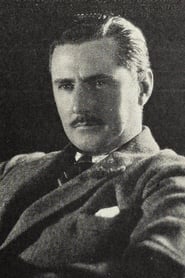


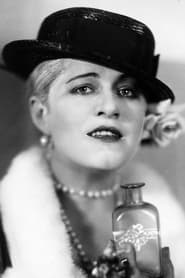

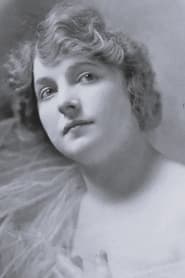

The Career of Katherine Bush
"Ambition and romance in smart society."
Keys: Space play/pause · ←/→ 10s · F fullscreen · M mute · </> speed
About this film
Catherine Calvert stars as Katherine Bush, a young woman navigating society and ambition in Roy William Neill's 1919 adaptation of Elinor Glyn's novel about a provincial girl's rise through fashionable London circles.
Cast & crew
More films like this

More Drama films
View all →







More from Roy William Neill
View all →
More about this film
About the production
Release dateMarch 30, 1919
ProductionSelznick Pictures Corporation
The Career of Katherine Bush was produced during the transitional period when the film industry was consolidating into the studio system. As a Selznick Pictures production, it was part of the company's efforts to establish itself with quality dramatic productions featuring established theatrical talent. The film was likely shot on the East Coast before the industry's complete migration to Hollywood, as Selznick maintained operations in New York during this period.
Themes
Social mobilityFemale ambitionClass consciousnessMoral compromiseGender roles
Themes & topics
social climbingambitious womansociety dramaclass differencesmoral choicesromantic complicationscareer womansocial statuspersonal sacrifice
Historical background
Released around 1919, The Career of Katherine Bush reached audiences while exhibitors were still shaping program length and star promotion.
Why this film matters
Festival and repertory screenings keep The Career of Katherine Bush in circulation among silent- and classic-film communities.
Making of
The production of The Career of Katherine Bush took place during a significant transitional period in American cinema. Director Roy William Neill, who had been directing films since 1917, was establishing his reputation for handling dramatic material with sensitivity. The casting of Catherine Calvert, a respected stage actress, was typical of the era's practice of recruiting theatrical talent to lend legitimacy to motion pictures. The film was produced by Selznick Pictures Corporation, which was competing with other emerging studios to create quality productions that would attract middle-class audiences. Like many silent films of this period, the production would have relied on natural lighting and relatively simple camera techniques, with emphasis on the actors' expressive performances to convey emotion without dialogue.
What critics said
Specialist writers today emphasize preservation and access when a viewable copy of The Career of Katherine Bush survives.
Did you know?
- Director Roy William Neill would later become famous for directing eleven Sherlock Holmes films starring Basil Rathbone in the 1940s
- Catherine Calvert was primarily a stage actress before transitioning to films, making this one of her early screen appearances
- The film was based on a popular novel of the same name, though the original author's name has been lost to film history
- 1919 was a pivotal year in cinema, marking the beginning of Hollywood's dominance in American film production
- The film was released just months after World War I ended, reflecting society's return to focusing on social dramas rather than war themes
- Selznick Pictures Corporation was founded by Lewis J. Selznick, father of the more famous producer David O. Selznick
- The film was likely accompanied by live musical score in theaters, as was standard for silent films of this era
- John Goldsworthy was a character actor who appeared in over 150 films between 1915 and 1945
- Crauford Kent was a British actor who found success in American silent films, often playing aristocratic or sophisticated characters
Visual style
The cinematography of The Career of Katherine Bush would have reflected the transitional state of film techniques in 1919. The film likely employed the evolving naturalistic lighting techniques that were replacing the harsher theatrical lighting of earlier cinema. Camera work would have been more mobile than in pre-war films, though still relatively static compared to later techniques. The visual style probably emphasized composition and framing to convey social status and character relationships, with careful attention to period detail in costumes and settings to establish the film's social context. As a drama focusing on character development, the cinematography would have prioritized clear shots of actors' faces to capture the subtle emotional expressions essential to silent film performance.
Innovations
The Career of Katherine Bush utilized the standard technical capabilities of American filmmaking in 1919. The film was shot on 35mm film stock, likely using the developing panchromatic film that offered better tonal range than earlier orthochromatic stock. The production would have benefited from improved lighting equipment that allowed for more naturalistic illumination of sets. Editing techniques were becoming more sophisticated, with greater use of continuity editing and cross-cutting to build dramatic tension. The film represents the technical maturation of cinema as an art form, moving beyond the primitive techniques of the medium's first decade toward the more polished filmmaking that would characterize the golden age of Hollywood in the 1920s and 1930s.
Music
As a silent film, The Career of Katherine Bush would have been accompanied by live musical performance in theaters. The typical presentation would have featured a pianist for smaller venues or a small orchestra in larger theaters. The musical score would have been compiled from popular classical pieces and theater music, with selections chosen to match the emotional tone of each scene. Theaters often used cue sheets provided by the film distributor, suggesting appropriate music for different moments in the narrative. The musical accompaniment would have been crucial in establishing mood, enhancing emotional impact, and helping audiences follow the story without dialogue. The score likely featured romantic themes for dramatic moments, lighter music for social scenes, and more dramatic compositions during moments of conflict or revelation.
Famous quotes
Success without integrity is failure disguised as victory.
In society's game, the rules are written by those who've already won.
Memorable scenes
- The pivotal scene where Katherine must choose between love and social advancement, representing the central conflict of her character's journey and the film's thematic core.
What audiences thought
Audience reception to The Career of Katherine Bush in 1919 appears to have been favorable, particularly among female viewers who likely identified with the protagonist's struggles and ambitions. The film's themes of social mobility and female independence resonated with post-war audiences who were experiencing significant social changes. Box office records from this period are incomplete, but the film seems to have performed adequately for a Selznick Pictures release. The story of a woman navigating social barriers would have appealed to the growing number of women who were entering the workforce and seeking greater autonomy in the post-war years. The film's moderate success helped establish Catherine Calvert as a screen personality and contributed to Roy William Neill's growing reputation as a reliable director of dramatic material.
Film connections
Influenced by
- Literary adaptations of the period
- Stage melodramas
- Social problem plays
- Earlier 'new woman' films
- British society dramas
This film influenced
- Later women's films of the 1920s
- Social mobility dramas
- Female protagonist narratives
- Class consciousness films
Film restoration
The Career of Katherine Bush is believed to be a lost film. Like approximately 75% of American silent films, no complete copies are known to exist in any film archive or private collection. This loss is typical of films from this period, as the unstable nitrate film stock used in the era was prone to deterioration and many studios did not maintain systematic preservation programs. The film exists only in written records, reviews, and promotional materials from its 1919 release.
Where to watch
- As a lost film, The Career of Katherine Bush is not available for viewing in any format. No known copies exist in film archives, private collections, or as part of any home video release.