No Poster
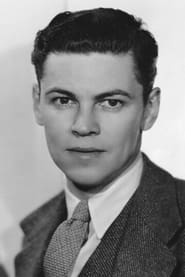
Albert Hackett
Actor
Born: February 16, 1900 in New York City, New York, USA Died: March 23, 1995 Active: 1919-1973 Birth Name: Albert Maurice Hackett
Films
2 films
About Albert Hackett
Albert Maurice Hackett (1900-1995) was an American dramatist and screenwriter who began his career as a silent film actor before transitioning to become one of Hollywood's most celebrated writing partners. Born in New York City, Hackett started his entertainment career as a teenage actor, appearing in the 1919 silent film 'The Career of Katherine Bush' alongside star Katherine MacDonald. However, his true calling emerged in writing, and he soon abandoned acting to focus on playwriting and screenwriting. He formed a creative partnership with Frances Goodrich, whom he married in 1931, and together they created some of Hollywood's most beloved films. Their collaboration spanned over four decades and resulted in numerous Academy Award nominations and timeless classics. Hackett's writing style was characterized by witty dialogue, sharp character development, and the ability to blend comedy with heartfelt emotion. The duo's work on 'The Thin Man' series established them as masters of the sophisticated comedy-mystery genre, while their adaptation of 'It's a Wonderful Life' became cherished films in cinema history.
The Craft
On Screen
As a young silent film actor, Hackett appeared in supporting roles typical of the era, employing the exaggerated gestures and facial expressions required for silent film performance before transitioning to writing
Milestones
- Acting debut in 'The Career of Katherine Bush' (1919)
- Marriage and creative partnership with Frances Goodrich (1931)
- Academy Award nomination for 'The Thin Man' (1934)
- Academy Award nomination for 'After the Thin Man' (1936)
- Academy Award nomination for 'Father of the Bride' (1950)
- Academy Award nomination for 'Seven Brides for Seven Brothers' (1954)
- Pulitzer Prize nomination for 'The Diary of Anne Frank' (1956)
Best Known For
Iconic Roles
Must-See Films
Accolades
Won
- Writers Guild of America Laurel Award for Screen Writing Achievement (1972)
- New York Drama Critics' Circle Award for 'The Diary of Anne Frank' (1956)
Nominated
- Academy Award for Best Adapted Screenplay - 'The Thin Man' (1934)
- Academy Award for Best Adapted Screenplay - 'After the Thin Man' (1936)
- Academy Award for Best Adapted Screenplay - 'Father of the Bride' (1950)
- Academy Award for Best Adapted Screenplay - 'Seven Brides for Seven Brothers' (1954)
- Academy Award for Best Adapted Screenplay - 'The Diary of Anne Frank' (1959)
- Tony Award for Best Play - 'The Diary of Anne Frank' (1956)
- Pulitzer Prize for Drama - 'The Diary of Anne Frank' (1956)
Special Recognition
- Hollywood Walk of Fame Star (with Frances Goodrich)
- Inducted into American Theatre Hall of Fame
- Screen Writers Guild Lifetime Achievement Award
Working Relationships
Worked Often With
Studios
Why They Matter
Impact on Culture
Albert Hackett, together with Frances Goodrich, fundamentally shaped American cinema through their sophisticated screenplays that blended comedy with genuine emotion. Their work on 'The Thin Man' series established the template for the romantic comedy-mystery genre, creating the iconic Nick and Nora Charles characters that embodied wit, sophistication, and marital harmony rarely seen in films of their era. Their adaptation of 'It's a Wonderful Life' transformed a modest story into what would become. Their stage adaptation of 'The Diary of Anne Frank' brought Anne's story to millions of theatergoers worldwide, ensuring her legacy would endure and educating new generations about the Holocaust. The Goodrich-Hackett partnership demonstrated the power of creative collaboration in Hollywood, inspiring future writing teams and establishing a new standard for married couples working together in the entertainment industry.
Lasting Legacy
Albert Hackett's legacy is defined by his extraordinary partnership with Frances Goodrich and their collective contribution to American film and theater. Their screenplays are studied in film schools for their perfect structure, witty dialogue, and emotional depth. The films they wrote continue to be celebrated and referenced in modern cinema, with 'It's a Wonderful Life' becoming an annual holiday tradition and 'The Thin Man' series remaining influential in the mystery-comedy genre. Their adaptation work, particularly 'The Diary of Anne Frank,' demonstrated how literature could be successfully translated to both stage and screen while maintaining its essential power and message. The Goodrich-Hackett team received four Academy Award nominations and left an indelible mark on Hollywood's Golden Age, their work representing the pinnacle of sophisticated screenwriting during the studio system era.
Who They Inspired
Hackett and Goodrich's collaborative approach influenced countless future writing teams in Hollywood, demonstrating how two voices could create a unified, distinctive style. Their ability to write across genres—from mystery to family comedy to historical drama—showcased versatility that inspired screenwriters to avoid typecasting. Their adaptation techniques, particularly in turning source material into cinematic gold while respecting the original work, became a model for future screenwriters. The natural, sophisticated dialogue they wrote influenced generations of comedy writers, and their character development techniques are still studied today. Their success as a married working couple also paved the way for other creative partnerships in Hollywood, proving that personal and professional relationships could successfully coexist and enhance each other.
Off Screen
Albert Hackett married his writing partner Frances Goodrich in 1931, creating one of Hollywood's most successful creative partnerships both professionally and personally. The couple had no children but devoted their lives to their craft and each other, working together for over 40 years until Goodrich's death in 1984. They were known for their close collaboration process, often writing together in the same room and developing their ideas through extensive discussion and joint composition. Hackett was known for his wit, charm, and dedication to his craft, maintaining a relatively private personal life despite his professional success.
Education
Attended Columbia University but did not graduate; left to pursue acting career
Family
- Frances Goodrich (1931-1984, her death)
Did You Know?
- Began his career as a silent film actor at age 19 before transitioning to writing
- Met Frances Goodrich when they both worked as actors on Broadway
- The Goodrich-Hackett team wrote the screenplay for every film in the 'Thin Man' series
- They were one of the few writing teams to have their names prominently featured in film advertising
- Their play 'The Diary of Anne Frank' ran for over 700 performances on Broadway
- Frank Capra personally chose them to adapt 'It's a Wonderful Life' for the screen
- They received four Academy Award nominations but never won
- Their collaborative process involved writing together in the same room rather than dividing scenes
- They turned down numerous offers to work separately, always insisting on their joint credit
- Hackett continued writing after Goodrich's death but never achieved the same level of success
- Their archives are housed at the New York Public Library for the Performing Arts
In Their Own Words
On writing with Frances Goodrich: 'We write together in the same room. We don't divide scenes. We discuss everything and then we write it. One of us types while the other paces, and then we switch.'
On their partnership: 'We've been married so long and worked together so much that we've developed a kind of shorthand. We know what each other is thinking before it's said.'
On adapting 'The Diary of Anne Frank': 'We felt an enormous responsibility. We weren't just adapting a book; we were adapting a young girl's life and death.'
On Hollywood: 'The studio system had its faults, but it also allowed writers to develop their craft and work consistently. We were fortunate to work during that golden age.'
Frequently Asked Questions
Who was Albert Hackett?
American screenwriter and playwright who began his career as a silent film with credits in this catalog. Together they wrote classic films including 'The Thin Man' series, 'It's a Wonderful Life,' and 'Father of the Bride.'
What films is Albert Hackett best known for?
Titles linked here include The Career of Katherine Bush (1919), The Thin Man (1934).
When was Albert Hackett born and when did he die?
Born February 16, 1900; died March 23, 1995.
What awards did Albert Hackett win?
While Hackett received four Academy Award nominations for Best Adapted Screenplay, he never won an Oscar. He did win the Writers Guild of America Laurel Award for Screen Writing Achievement in 1972 and the New York Drama Critics' Circle Award for 'The Diary of Anne Frank' in 1956. He and Goodrich also received a star on the Hollywood Walk of Fame.
What was Albert Hackett's writing style?
Hackett's writing style, developed in collaboration with Frances Goodrich, was characterized by sophisticated wit, sharp dialogue, and the ability to seamlessly blend comedy with genuine emotion. They excelled at creating memorable characters, particularly married couples who displayed both humor and deep affection, and were masters of adaptation, bringing literary works to life while preserving their essential spirit.