No Poster
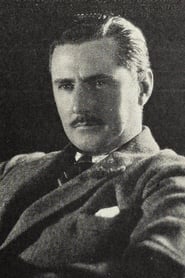
Roy William Neill
Director
Born: September 4, 1887 in Dublin, Ireland Died: December 23, 1946 Active: 1919-1946
Films
6 films
About Roy William Neill
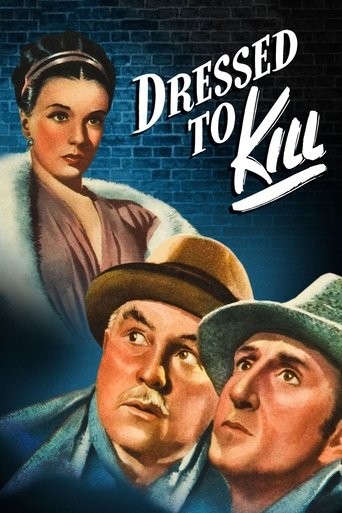
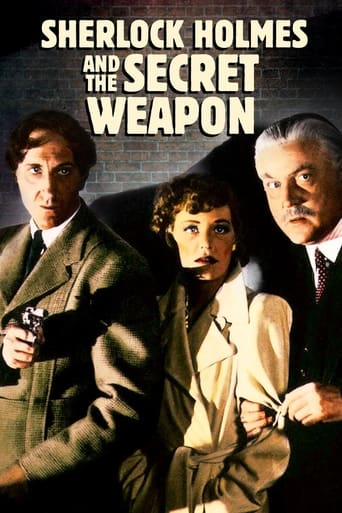
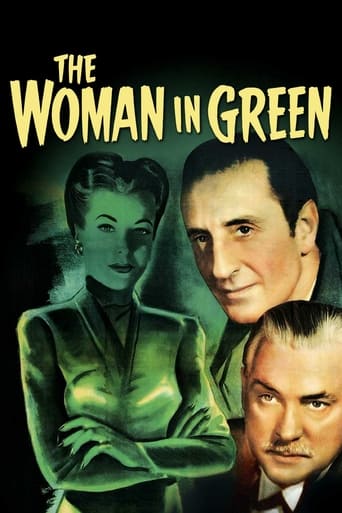
Irish-born film director: career bridged the silent era and the classic Hollywood studio period, making him one of the more versatile craftsmen of early American and British cinema. Born in Dublin, he began working in films during the 1910s and steadily built a reputation for efficiency, reliability, and a strong visual sense that served both melodrama and mystery alike. During the silent era he directed a wide range of pictures, including literary adaptations, adventure films, and character dramas, before moving fully into sound filmmaking with the coming of the talkies. His later career is most strongly associated with Universal's Sherlock Holmes series starring Basil Rathbone and Nigel Bruce, where he directed some of the most enduring entries in the cycle, including Sherlock Holmes and the Secret Weapon, The Woman in Green, and Dressed to Kill. Neill became especially valued for his ability to sustain atmosphere, pace intricate plots clearly, and give even modestly budgeted productions a polished, classical look. Although he was not a flamboyant auteur in the modern sense, his work helped define the screen image of Sherlock Holmes for generations of moviegoers. He remained active until the mid-1940s and died in 1946, leaving behind a substantial body of work across silent films, early sound pictures, and studio-era detective cinema.
The Craft
Behind the Camera
Roy William Neill's directing style was defined by clarity, precision, and atmosphere rather than overt visual flamboyance. He favored economical storytelling, crisp scene construction, and careful pacing, qualities that were especially valuable in mystery films where exposition and suspense had to be balanced cleanly. In the Sherlock Holmes pictures, he emphasized shadowy settings, brisk movement, and a controlled sense of dread that complemented the detective plots without overwhelming them. His work often shows a strong sense of composition and a practical understanding of how to sustain audience engagement within tight studio constraints. Neill was especially adept at making low- and mid-budget productions feel polished and immersive.
Milestones
- Established himself as a prolific director during the silent era, working across drama, adventure, and literary adaptation.
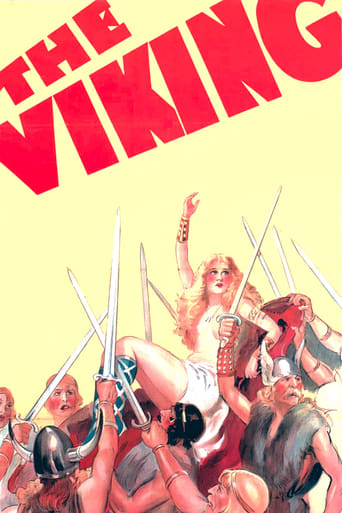
- Directed The Viking (1928), one of the notable late silent-era adventure films associated with early Technicolor experimentation and large-scale spectacle.
- Successfully transitioned from silent pictures to sound films, remaining steadily employed through the 1930s and 1940s.
- Became one of the principal directors of Universal's Basil Rathbone Sherlock Holmes series.
- Directed Sherlock Holmes and the Secret Weapon (1943), The Woman in Green (1944), and Dressed to Kill (1946), among the best-remembered Holmes films of the period.
- Built a reputation as a dependable studio director capable of delivering suspense, clarity, and atmosphere on efficient schedules.
- Worked on a broad range of material, demonstrating unusual adaptability within the studio system.
Best Known For
Must-See Films
Working Relationships
Worked Often With
Studios
Why They Matter
Impact on Culture
Roy William Neill had a significant impact on the popular image of Sherlock Holmes in classic cinema. His direction of the final Universal Holmes entries helped solidify the moody, fast-moving detective style that later audiences came to associate with film adaptations of Arthur Conan Doyle's character. By balancing gothic atmosphere with lucid narrative structure, he ensured that the stories remained accessible to general audiences while still preserving an air of intelligence and suspense. His work also illustrates the strengths of the studio-era craftsman-director: someone who could reliably shape genre material into durable entertainment. In broader film culture, Neill represents the kind of skilled, understated filmmaker whose contributions were essential to the classical Hollywood system even when they were not always celebrated as auteurist triumphs.
Lasting Legacy
Neill's lasting legacy rests largely on the Sherlock Holmes films he directed in the 1940s, which remain among the most beloved screen versions of the detective and are frequently rewatched by classic film enthusiasts. These films have endured not only because of Basil Rathbone's iconic performance, but also because Neill gave the series a consistent visual and tonal identity that blended suspense, wit, and Gothic menace. His earlier silent work, including The Viking, also places him within the history of filmmakers who helped shape the visual language of late silent cinema and the transition to sound. While he is not as widely recognized by the general public as some of his contemporaries, film historians value him as a highly competent and historically important studio director. His legacy is that of a dependable stylist whose work became part of the permanent canon of classic detective cinema.
Who They Inspired
Roy William Neill influenced later screen depictions of Sherlock Holmes by helping establish the dark, brisk, and atmospheric template that many subsequent filmmakers would borrow from or respond to. His approach showed that mystery cinema could be both economical and elegant, and that tension could be generated through clear staging and tonal control rather than elaborate spectacle. Directors working in studio-bound suspense and detective films have continued to draw from the methods he refined in the 1940s Holmes series. More broadly, he stands as an example of the skilled professional director whose craft supported and shaped genre conventions that outlived the original productions.
Off Screen
Roy William Neill's personal life is not as thoroughly documented in standard film histories as his professional career, and reliable public details are comparatively sparse. He was born in Dublin and later worked internationally, reflecting the transatlantic nature of early film careers. Available sources do not consistently document marriages, children, or extended family details, and those aspects of his life remain less prominent than his screen work. He spent much of his professional life inside the studio system, which may also help explain why his private life drew limited public attention. Because of this, his biography is usually discussed primarily through his filmography and his contribution to the Sherlock Holmes cycle.
Education
No reliable, widely cited information on formal education is readily available in standard film references; his career appears to have developed through practical film work rather than a publicly recorded academic path.
Did You Know?
- He was born in Dublin, giving him one of the more distinctly Irish origins among directors associated with classic Hollywood detective films.
- His name is sometimes overlooked in favor of the stars he directed, yet he was crucial to the identity of the Basil Rathbone Sherlock Holmes series.
- The Viking is often noted by film historians as one of the notable late silent-era adventure productions in his filmography.
- Neill worked through the crucial transition from silent cinema to sound without becoming obsolete, a difficult achievement for many directors of his generation.
- His Sherlock Holmes films are among the most frequently revived and discussed of all the Universal-era Holmes adaptations.
- He specialized in making low-budget or medium-budget studio productions look more polished and suspenseful than their resources might suggest.
- His career illustrates how many key craftsmen of classic cinema were directors first and foremost, even when they never became household names.
- He remained active until the year of his death in 1946.
Frequently Asked Questions
Who was Roy William Neill?
Irish-born on YTB.my. He is best remembered today for directing several of the classic Universal Sherlock Holmes films starring Basil Rathbone and Nigel Bruce.
What films is Roy William Neill best known for?
Titles linked here include The Viking (1928), Sherlock Holmes and the Secret Weapon (1943).
When was Roy William Neill born and when did he die?
Born September 4, 1887; died December 23, 1946.
What awards did Roy William Neill win?
No major awards or widely documented industry honors are prominently associated with Roy William Neill in standard reference sources. His reputation rests more on the lasting popularity and critical appreciation of his films than on formal awards.
What was Roy William Neill's directing style?
Neill's directing style was controlled, atmospheric, and highly economical. He was especially skilled at pacing mysteries clearly and creating suspense with shadows, composition, and efficient storytelling.
What is Roy William Neill's legacy in film history?
His legacy lies in his role as a dependable classical-era director who helped shape one of cinema's most famous detective series. He is also remembered as a capable craftsman who bridged silent film and the sound era with consistent professionalism.