Vive la France!
Plot
During the turmoil of World War I, Jean suffers from shell shock and returns home without memory of his past, leaving his wife Jenevieve to endure the pain and stigma of separation and hardship. As the couple's suffering deepens, the film reveals the emotional burden of war not only on the battlefield but also in the home and marriage. The turning point comes when Jean sees the "cross of shame" on Jenevieve's breast, a visual symbol tied to her suffering and sacrifice, and the sight restores his memory. In the film's climax, Jean remembers his love for Jenevieve, and the two reaffirm their bond by pledging their troth once more, closing the story on a note of reconciliation and patriotic sentiment.
About the Production
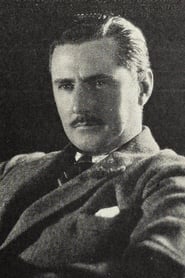
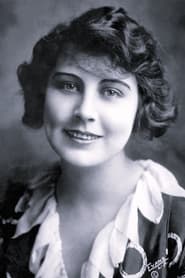
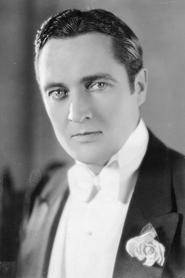
This is a Fox war melodrama from the World War I era, directed by Roy William Neill and starring Dorothy Dalton, Edmund Lowe, and Fred Starr. As with many 1918 productions, detailed surviving production documentation is limited, and precise budget, shooting locations, and box-office records are not readily verifiable from standard references. The film was made during the final year of World War I, when American cinema frequently blended patriotic themes with melodrama to support morale and address the emotional consequences of the conflict. Surviving records suggest it was released as a feature-length dramatic vehicle for Dorothy Dalton, one of Fox's prominent leading ladies of the period.
Historical Background
The film was made in 1918, during the final phase of World War I, when news from Europe, reports of battlefield trauma, and public concern about soldiers returning home were deeply present in American life. Silent cinema of this period often addressed war through melodrama rather than realism, using personal suffering to make large-scale conflict emotionally legible to audiences. The story's use of shell shock is historically significant because it reflects an early popular awareness of what would later be understood as combat trauma or psychological injury. The film also belongs to the long tradition of patriotic wartime entertainment, in which American studios balanced romance, sacrifice, and national feeling while the war was still ongoing. Its title and theme suggest an attempt to align personal reconciliation with a broader celebration of France and the Allied cause.
Why This Film Matters
As a surviving record of silent-era war melodrama, the film is culturally meaningful for showing how early 20th-century cinema represented trauma, marriage, and patriotism in the shadow of modern industrial war. It helps document Dorothy Dalton's career and Roy William Neill's development as a director before he became associated with later detective cinema. The film also illustrates how American films of the period used sentimental storytelling to process wartime anxieties for mass audiences. Even when not widely remembered today, it remains part of the historical fabric of silent cinema, particularly for scholars interested in representations of shell shock, gender roles during war, and Fox's wartime production output.
Making Of
Vive la France! was produced at a moment when Hollywood studios were shaping war stories to meet both audience demand and national sentiment during World War I. Roy William Neill, still early in his career, was working in the silent-era studio system, where directors often moved quickly between genres and production schedules were tight. Dorothy Dalton's casting suggests Fox positioned the film as a star-driven dramatic feature, with the emotional center resting on her role as the suffering wife. Detailed surviving behind-the-scenes accounts are scarce, but the film clearly fits the studio melodrama model of the period: a compact wartime story, strong moral contrasts, and a resolution built around emotional recognition and marital reunion.
Visual Style
Specific cinematographic credits and technical descriptions are not well preserved in the commonly available sources for this film, but a 1918 silent Fox production of this type would typically rely on staged compositions, expressive performance, and careful lighting to heighten emotion. The film likely used close-ups to emphasize the restoration of memory and the emotional recognition between the leads. Silent war melodramas of this period often favored clear visual storytelling over elaborate camera movement, allowing intertitles and performance to carry the psychological and romantic beats. Any battlefield or trauma imagery would have been designed to remain legible to audiences while preserving the melodramatic tone.
Innovations
No major technical innovations are specifically documented for this film. Its significance lies more in its topical storytelling and silent-era dramatic technique than in any known formal breakthrough. Like many 1918 features, it would have relied on intertitles, performance, staging, and editing to convey psychological states such as shell shock and memory loss. The film's handling of trauma through a visual trigger is a classic example of silent cinema's symbolic storytelling methods.
Music
As a silent film, Vive la France! would not have had a synchronized recorded soundtrack at release. Music would have been provided live in theaters, typically by a pianist, organist, or small ensemble, using either improvised accompaniment or cue sheets prepared for the exhibition run. No specific original score or surviving cue sheet has been readily verified in the accessible record. Any modern presentations would depend on the archival print, if available, and the music choices of the presenting institution or distributor.
Famous Quotes
No verified surviving dialogue or intertitles are widely documented for this film.
As a silent film, any surviving quotations would depend on the specific intertitles present in archival copies, which are not readily available in standard references.
Memorable Scenes
- Jean's memory returns when he sees the cross of shame on Jenevieve's breast, transforming a moment of anguish into recognition and reconciliation.
- The final pledge of troth between Jean and Jenevieve serves as the emotional climax, resolving the war-induced rupture in their marriage.
- The film's shell-shock and amnesia material functions as the central dramatic device, tying the private domestic story to the broader devastation of war.
Did You Know?
- The film was released in 1918, the same year World War I ended, making its war-related themes especially timely for contemporary audiences.
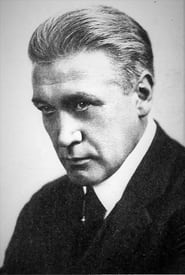
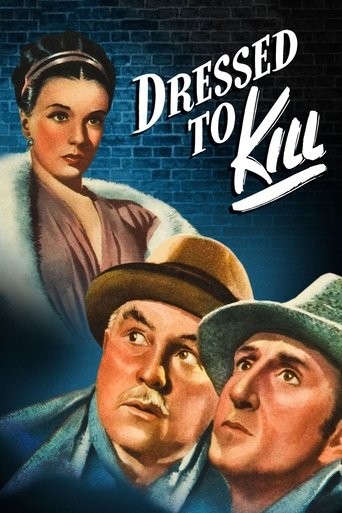
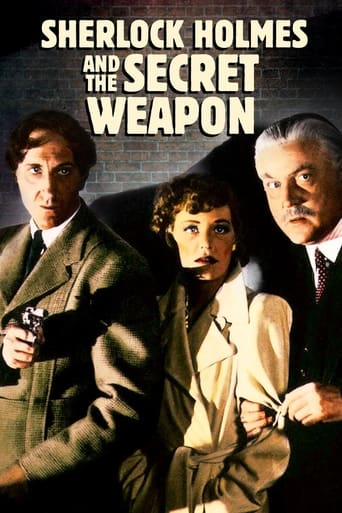
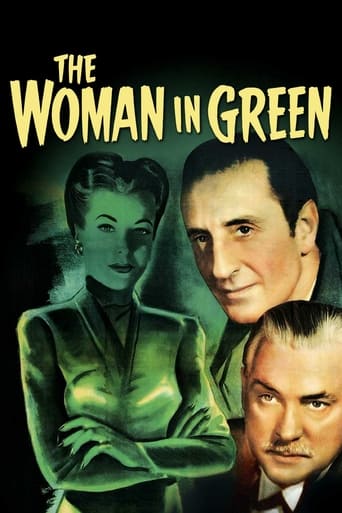
- It was directed by Roy William Neill, who later became well known for directing a number of Sherlock Holmes films in the sound era.
- Dorothy Dalton was a significant Fox star in the 1910s, and this film is part of her surviving screen legacy from the silent era.
- The title echoes a patriotic French slogan, but the film is an American production rather than a French one.
- The known plot centers on shell shock, reflecting early cinema's engagement with the psychological damage of modern warfare.
- The story includes a melodramatic recovery-of-memory device, a common silent-era narrative method for resolving romantic and emotional conflict.
- The film is associated with Fox Film Corporation, one of the major studios active during the silent period.
- Because the film is from 1918, surviving cast and crew credits are more limited than for later productions, and some database entries preserve only the principal names.
- The film's emotional and patriotic framing is characteristic of American wartime melodramas made in the final year of the conflict.
- Like many silent films of its era, it likely relied heavily on intertitles and expressive close-ups to communicate trauma, romance, and reconciliation.
What Critics Said
Contemporary reviews are not widely preserved in readily accessible form, so a full critical consensus is difficult to reconstruct. Like many silent-era Fox melodramas, it was likely received primarily as a timely and emotionally effective wartime drama rather than as a prestige art film. Modern critical attention tends to be limited due to the film's obscurity and the incomplete nature of surviving records. Where discussed by historians, it is usually valued more for its historical context, its star casting, and its reflection of wartime screen sentiment than for a widely documented critical legacy.
What Audiences Thought
Direct evidence of audience reaction is limited, but the film likely appealed to wartime and postwar viewers through its combination of romance, sacrifice, and reconciliation. Stories involving shell shock and marital restoration were designed to be emotionally accessible and to resonate with families affected by the war. As with many silent dramas from major studios, audience reception was probably driven by star appeal, topical subject matter, and the promise of a moving resolution. No detailed box-office record has been readily verified, so the broader popular impact can only be inferred from the era's general appetite for patriotic melodrama.
Film Connections
Influenced By
- World War I-era patriotic dramas
- Silent film melodramas about amnesia and reunion
- Contemporary newspaper and home-front narratives about shell shock
- Romantic sacrifice stories common in early 20th-century popular fiction
This Film Influenced
- The film is too obscure and poorly documented to verify direct influence on specific later films
- Its treatment of wartime trauma anticipates later war melodramas that center psychological injury and domestic aftermath
You Might Also Like
More Drama Films
View allMore from Roy William Neill
View allFilm Restoration
The preservation status is uncertain in readily accessible public sources; no widely verified restoration details are known. The film appears to survive only, if at all, in limited archival records or incomplete holdings, and it is not commonly available in mainstream circulation. Because many Fox silent films were lost or survive fragmentarily, this title should be treated as an obscure silent-era work with unknown or uncertain preservation status unless confirmed by a specific archive.