
Films
5 films
About Tom Guise
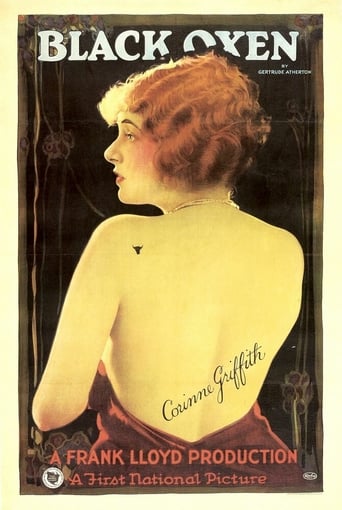
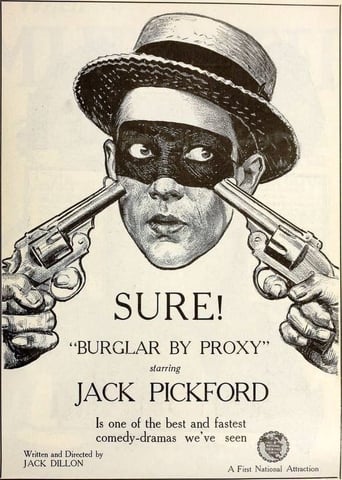
American stage and silent-screen actor: recorded screen career falls in the late teens and early 1920s, a period when many performers from the legitimate stage were being drawn into film production. He is documented in the surviving film record primarily through a small number of feature credits, including The Clodhopper (1917), Burglar by Proxy (1919), and Black Oxen (1923), which places him squarely in the transitional years of American silent cinema. Like many character actors of the era, he appears to have worked steadily but without the long-run star profile that would have generated extensive trade-press coverage, making his biographical trail comparatively thin. The surviving evidence suggests he was active during a brief but meaningful stretch when the industry was rapidly expanding its use of supporting players to add gravitas, authority, and realism to productions. Because detailed personal records have not survived in standard reference sources, much of his life outside these film credits remains obscure. His importance lies in the fact that he is part of the large cadre of reliable silent-era performers who helped shape the texture of early Hollywood films even when they were not marquee names. Today, he is chiefly remembered by film historians and database researchers who trace cast lists and production histories from the silent period.
The Craft
On Screen
No detailed contemporary descriptions of Tom Guise's acting style have been widely preserved, but his surviving filmography suggests he functioned as a dependable silent-era character player rather than a flashy star. Performers like Guise typically relied on clear physical expressiveness, economical gesture, and readable facial reactions suited to silent storytelling. His roles likely emphasized authority, practicality, or everyday realism, qualities often required in supporting parts. In the absence of reviews naming him directly, his style is best understood through the conventions of the period and the kinds of films in which he appeared.
Milestones
- Appeared in The Clodhopper (1917), one of his earliest documented screen credits.
- Worked in the silent-film industry during a key post-World War I period of studio expansion.
- Was cast in Burglar by Proxy (1919), showing continued employment through the late silent era.
- Appeared in Black Oxen (1923), a notable early-1920s feature that extended his screen presence into the later silent period.
- Represents the class of supporting performers whose work helped anchor silent features with credible adult character acting.
Best Known For
Iconic Roles
Must-See Films
Why They Matter
Impact on Culture
Tom Guise's cultural impact is best understood at the level of film history rather than popular celebrity. Actors like him formed the indispensable backbone of silent-era production, giving films the social texture, authority figures, and supporting presences needed to make stories feel complete. Even when not individually famous, such performers helped establish the performance norms of early American cinema: readable emotion, disciplined physical acting, and a strong reliance on visual clarity. His preserved credits also remind modern audiences that silent film was sustained by a large ecosystem of working actors whose names often vanished from mainstream memory despite active and visible careers. In that sense, Guise stands as a representative of the many competent professionals who made the silent feature system function.
Lasting Legacy
Tom Guise's legacy is primarily archival and historical, preserved through cast lists and surviving film documentation rather than through a large body of fan culture or star-focused publicity. For researchers of silent cinema, his career is valuable because it illustrates the breadth of the acting workforce in the 1910s and early 1920s, when hundreds of small and mid-level screen players contributed to the growth of the medium. His work in films such as Black Oxen also connects him to one of the more recognizable titles of the period, helping anchor his name in the surviving record. Although he does not appear to have left behind a widely celebrated individual legacy, his filmography contributes to the broader understanding of how Hollywood's silent-era labor system operated. In that sense, he remains part of the essential historical fabric of early American motion pictures.
Who They Inspired
There is no documented evidence that Tom Guise directly trained a later generation of performers or exerted a named stylistic influence on other actors. His influence is therefore indirect: by participating in mainstream silent features, he contributed to the performance environment that shaped audience expectations for supporting acting in American cinema. Character players like him influenced the industry's understanding of how to cast reliable, face-saving, scene-supporting performers in secondary roles. His career also reflects the larger migration of stage and non-star talent into film, a movement that enriched acting standards across the silent era.
Off Screen
Very little reliably documented personal information survives for Tom Guise in standard film references. His marriages, family background, education, and off-screen career are not clearly established in commonly consulted sources. This is not unusual for silent-era supporting performers, many of whom worked under conditions where press attention centered almost entirely on leading players. As a result, any fuller reconstruction of his private life would require archival research in newspapers, studio records, or local civil documents.
Did You Know?
- Tom Guise's surviving screen career is concentrated in a relatively small number of documented credits.
- His known film appearances span the transition from mid-1910s silent productions to the early 1920s.
- He is an example of a silent-era character actor whose name is preserved in film databases even though detailed biographical information is scarce.
- His credit in Black Oxen (1923) places him in a film from the later silent period, near the end of his known active span.
- Unlike major stars of the period, he does not appear to have accumulated a large body of publicity material in standard reference sources.
- His career demonstrates how many working actors of the silent era remain known mainly through surviving credits rather than interviews or memoirs.
- Because of the limited biographical record, he is a subject more often encountered in cast lists than in narrative film histories.
Frequently Asked Questions
Who was Tom Guise?
American silent-era with credits in this catalog. He worked during a formative period in Hollywood history and appears mainly as a supporting player in feature films.
What films is Tom Guise best known for?
Titles linked here include The Clodhopper (1917), Burglar by Proxy (1919).
When was Tom Guise born and when did he die?
His birth date, birth place, and death date are not currently established in the standard film references available here. The surviving record mainly preserves his screen credits rather than detailed biographical data.
What awards did Tom Guise win?
No awards or nominations are currently documented for Tom Guise in the accessible historical record. This is not unusual for silent-era supporting actors, many of whom worked before modern awards culture was fully established.
What was Tom Guise's acting style?
His specific style is not described in surviving contemporary commentary, but as a silent-era actor he would have relied on expressive physical performance and clear screen presence. His likely strength was as a dependable character actor who could support the story without dominating it.
What is Tom Guise's legacy in film history?
Tom Guise's legacy lies in the historical record of silent cinema, where he represents the many working actors who gave early Hollywood its depth and realism. He is remembered more by researchers and database users than by general audiences, but his credits remain part of the fabric of early American film history.