Also available on: Archive.org
Secrets of the Night

Secrets of the Night

1924 United States
Deception and concealmentFinancial desperationSocial performance and appearancesMisdirection and suspicionClass and respectability

Plot

At a lavish country house party, bank president Robert Andrews stages an apparent murder in order to divert attention from a shortage in his bank that a visiting examiner is beginning to uncover. His elaborate deception turns the weekend gathering into a full-scale mystery, as the guests begin to suspect one another and nearly everyone seems to have a reason to be involved. The situation grows increasingly chaotic through a mixture of melodramatic tension and broad comedy, with the house full of secrets, alibis, and false leads. Eventually, Andrews is discovered to be alive, and he confesses that the entire murder scheme was a cover designed to buy time until the missing funds could be repaid. The film resolves as a classic silent-era whodunit, blending suspense, social satire, and comic character interplay around the exposed financial fraud.

About the Production

Release Date 1924
Production Universal Pictures
Filmed In United States

Secrets of the Night was produced by Universal Pictures as a silent black-and-white mystery melodrama with comic elements, directed by Herbert Blaché. The film is notable for its long period as a lost title; a surviving print reportedly resurfaced in 2017, making it of particular interest to silent-film historians and archivists. Like many mid-1920s studio productions, it relied on theatrical staging, expressive performance, and visual storytelling rather than synchronized sound, with its tonal blend of mystery, drama, and comedy reflecting Universal's interest in popular genre entertainment. Precise budget, box office, and detailed filming-location records have not been reliably documented in surviving sources.

Historical Background

Secrets of the Night was made in 1924, a period when American silent cinema was at a high point in industrial sophistication, with the studio system firmly established and genre filmmaking becoming increasingly refined. Audiences of the mid-1920s were accustomed to crime melodramas, society mysteries, and domestic comedies, and this film appears to have combined those popular modes into a single compact entertainment. It also emerged in a decade marked by intense public interest in finance, modernity, and social status, themes that resonate in a story about a bank president trying to hide a shortage at a fashionable gathering. Its later status as a lost film and eventual rediscovery matters historically because it helps restore the record of everyday studio production beyond the canonical masterpieces that have always survived.

Why This Film Matters

While not widely known in the modern mainstream, Secrets of the Night is culturally significant as an example of the many silent-era films that shaped audience taste but nearly vanished from the historical record. Its survival contributes to a fuller understanding of Universal’s silent mystery output and of Herbert Blaché’s work as a director in a period when genre blending was common and commercially important. The film’s rediscovery also underscores the broader importance of archival preservation, demonstrating how the recovery of even a single print can expand scholarship on star performance, silent narrative style, and studio-era storytelling conventions. For contemporary viewers, it offers a window into how 1920s cinema mixed suspense with light comic characterization in a way that helped define popular film grammar.

Making Of

Secrets of the Night was made in the mature silent era, when Universal Pictures regularly produced genre films designed to balance suspense, romance, and comic relief. Herbert Blaché, who directed the picture, worked in a period when directors had to communicate plot mechanics visually and often through highly legible staging, making ensemble scenes and physical business especially important. The film’s rediscovery after decades of presumed loss has become part of its production story, since surviving prints of silent films often reveal or correct details about editing rhythms, acting styles, and studio practices that written records do not fully capture. The known plot suggests a tightly managed chamber-piece production, relying on the dynamics of a house party, a bank scandal, and a staged death to create escalating tension in a limited setting.

Visual Style

As a silent black-and-white production, the film would have depended on expressive lighting, set composition, and careful blocking to establish mood and clarify the flow of clues and misdirection. The house-party setting likely allowed for dynamic ensemble framing, with the camera emphasizing entrances, exits, overheard conversations, and the spatial relationships of suspects in a confined environment. Mystery pictures of this era often used strong contrast, gestural close-ups, and visually legible props to maintain suspense, and this film’s hybrid tone would have required cinematography that could support both melodramatic revelation and comic timing. Specific cinematographer credits and technical camera innovations are not reliably documented here.

Innovations

The film does not appear to be associated with a known major technical innovation, but it is notable for the effective use of silent-era storytelling techniques in a contained mystery format. Its value lies in the craftsmanship required to stage an elaborate fake-murder scenario clearly without dialogue, using visual cues, acting, and montage-like progression to maintain audience comprehension. The rediscovery of a surviving print is itself an important preservation achievement, because it restores access to a title previously considered lost. In that sense, the film’s technical significance today is as much archival as it is cinematic.

Music

Like most silent films of the period, Secrets of the Night would originally have been accompanied by live music in theaters rather than a synchronized recorded score. Surviving records do not reliably identify a definitive original cue sheet or commissioned score. In practice, exhibitions of silent mysteries often used improvised piano, theater organ, or small ensemble accompaniment tailored to suspense, comic relief, and dramatic revelation. Any modern presentation of the film would likely use archival or newly created accompaniment rather than a surviving original soundtrack.

Memorable Scenes

  • The staged murder that sets the entire mystery in motion and immediately throws the house party into confusion.
  • The sequence in which nearly every guest becomes a suspect as motives and alibis proliferate around the bank scandal.
  • The final revelation that Robert Andrews is alive and has been orchestrating the deception to conceal the shortage until repayment can be arranged.

Did You Know?

  • The film was long considered lost, which made its rediscovery especially significant for silent-cinema preservationists.
  • A print reportedly resurfaced in 2017, reviving interest in a title that had been largely absent from film histories for decades.
  • It is a hybrid of mystery, drama, and comedy, which was a common but sometimes underappreciated silent-era programming strategy to widen audience appeal.
  • Herbert Blaché, the director, was one of the notable early filmmakers working in the American studio system during the silent era.
  • The plot hinges on a fake murder staged to conceal a bank shortage, giving the film both crime-story tension and satirical financial intrigue.
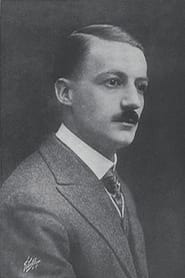
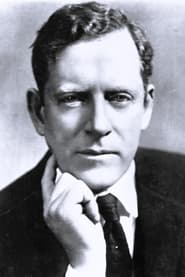
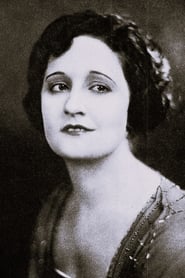
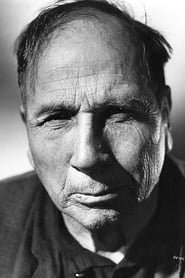
  • The presence of Madge Bellamy and Zasu Pitts places the film within the orbit of two performers who were widely recognized in silent-era and early sound-era cinema.
  • Because it survived only in a later rediscovered print, modern viewers and researchers may encounter the film in archival or specialty-cinema contexts rather than mainstream home-video circulation.
  • The film’s house-party setting allowed for a contained ensemble mystery, a structure that became especially popular in later stage and screen whodunits.

What Critics Said

Contemporary reviews are not well documented in the available record, so a precise consensus from 1924 cannot be stated confidently. Based on the film’s described blend of melodrama, mystery, and comedy, it likely functioned as a solid commercial genre offering rather than a prestige production, and its later obscurity suggests it was not widely canonized in early film histories. Modern critical interest is tied less to reputation at the time than to the film’s rediscovery and preservation status, which makes it valuable to scholars and programmers interested in lost silent cinema. Today it would most likely be discussed in terms of its historical recovery, ensemble mystery structure, and the craftsmanship of its silent-era staging.

What Audiences Thought

There is no reliable surviving audience-reception record that allows for a detailed quantitative assessment of popular response. As a Universal mystery with comic elements and recognizable stars, it was likely aimed at broad commercial appeal and designed to play effectively for mainstream theater audiences of the 1920s. The plot’s mix of intrigue, domestic scandal, and social satire would have suited audiences who enjoyed visually clear suspense stories with an accessible payoff. Its later rediscovery indicates renewed interest among modern viewers, especially silent-film enthusiasts and archival audiences who value the chance to see a film once thought unavailable.

Film Connections

Influenced By

  • Stage whodunits and drawing-room mystery plays
  • Silent-era crime melodramas
  • Society farce traditions
  • Early 1920s studio mystery films

This Film Influenced

  • Later house-party mystery films
  • Ensemble whodunits of the 1930s and beyond
  • Lost-film rediscovery projects in silent-cinema archival work

Film Restoration

Long thought lost, the film is now known to survive in at least one rediscovered print that surfaced in 2017. Its preservation history makes it a noteworthy recovered silent-era title, though availability to the public may still be limited depending on the archive or access arrangement.

Themes & Topics

fake murderbank shortagehouse partywhodunitsilent mysterylost filmrediscovered print