


The Love Light
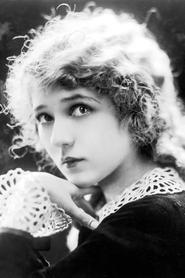
"A picture that will carry to your screen all the beauty, charm and art that have made Mary Pickford the most beloved girl in the world"
Keys: Space play/pause · ←/→ 10s · F fullscreen · M mute · </> speed
About this film
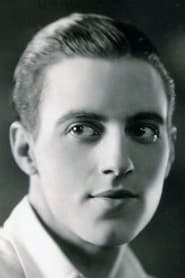
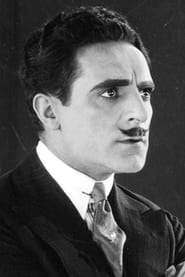
Angela (Pickford), an Italian girl, bids good-bye to her second brother, who is the youngest, as he goes off to join the troops. Then comes news that her older brother has been killed in the war. Giovanni ( Bloomer ), who loves Angela, tries to comfort her, and then he too is called.
Cast & crew
More films like this

More Drama films
View all →






More about this film
About the production
Release dateJanuary 23, 1921
Box officeThe film was commercially successful, though exact figures are not documented
ProductionMary Pickford Film Corporation, United Artists
Filmed inSanta Catalina Island, California, Hollywood, California
This was one of the rare films directed by Frances Marion, who was primarily known as one of Hollywood's most successful screenwriters. The production faced challenges creating realistic Italian coastal settings in California, with elaborate lighthouse sets constructed. Pickford, who was also the producer, invested heavily in authentic costumes and props to create the Italian atmosphere. The film was notable for its extensive location shooting on Catalina Island, which was unusual for the period.
Themes
Love versus dutyBetrayal and redemptionThe aftermath of warMoral complexitySacrifice
Themes & topics
lighthouse keeperWorld War IspybetrayalItalian coastshipwrecksailorsubmarinemoral dilemmawartime romance
Historical background
The Love Light (1921) emerged during the silent-film era. Angela (Pickford), an Italian girl, bids good-bye to her second brother, who is the youngest, as he goes off to join the troops. Archival records and catalog entries help place the work within film-history surveys of the period.
Why this film matters
Preserved under Wikidata ID Q211366, The Love Light is valued as a screen drama within catalog and archive collections. Wikipedia's "The Love Light" entry connect it to broader histories of cinema exhibition and restoration.
Making of
The production of 'The Love Light' was significant as it represented one of the earliest examples of a major female star (Mary Pickford) collaborating with a female director (Frances Marion) on a high-profile project. Marion, who had written many of Pickford's previous hits, brought her deep understanding of character and emotion to the director's chair. The filming on Santa Catalina Island presented logistical challenges, as the crew had to transport heavy equipment by boat and deal with unpredictable weather conditions. Pickford, as both star and producer through her production company, maintained significant creative control throughout the process. The film's wartime themes were handled with sensitivity, as the wounds of World War I were still fresh in the American consciousness. Marion's direction emphasized naturalistic performances, a departure from the more theatrical style common in silent films of the era.
What critics said
Trade and archival sources offer limited day-one review coverage for The Love Light. Modern reception rests on its availability in collections, repertory screenings, and reference works that document 1921 cinema.
Did you know?
- This was one of only two films directed by Frances Marion, who was primarily known as a screenwriter and wrote over 300 scripts during her career
- Mary Pickford personally chose Frances Marion to direct this film, demonstrating her support for women in creative roles behind the camera
- The film was shot during the aftermath of World War I, making its themes particularly resonant with contemporary audiences
- Pickford's character was a departure from her usual 'America's Sweetheart' roles, showing her range as a dramatic actress
- The lighthouse set was among the costliest and elaborate constructions of its time, costing over $15,000
- Evelyn Dumo, who plays Angela's sister, was actually Pickford's cousin in real life
- The film's success led to Pickford giving Marion more opportunities to direct, though Marion preferred writing
- German submarine sequences were created using miniatures and innovative special effects techniques
- The original title was 'The Light House Keeper's Daughter' but was changed to 'The Love Light' for marketing purposes
- Pickford insisted on performing her own stunts, including scenes near the water and on the lighthouse stairs
Awards & recognition
- No major awards were given for this film, as the first Academy Awards ceremony would not occur until 1929
Visual style
The cinematography by Charles Rosher and Karl Struss was particularly notable for its use of natural light and shadow to create atmosphere. The lighthouse setting allowed for dramatic lighting effects, with the beam of light cutting through darkness serving as both a literal and metaphorical element throughout the film. The coastal locations on Catalina Island provided stunning natural backdrops that contrasted with the artificial sets common in many studio productions of the era. The cinematographers employed innovative techniques for the underwater sequences and shipwreck scenes, using multiple cameras and careful planning to achieve realistic effects. The visual style emphasized the isolation of the lighthouse setting while also creating intimate moments through close-ups that captured the subtle emotions of the performers.
Innovations
The film featured several technical innovations for its time, particularly in its special effects sequences. The submarine scenes were created using a combination of miniatures, matte paintings, and in-camera techniques that were quite advanced for 1921. The lighthouse set included working mechanical elements that allowed for realistic lighting effects, including the sweeping beam of light that serves as a recurring motif. The production also utilized location shooting techniques that were still relatively rare in Hollywood, demonstrating the industry's gradual move away from purely studio-bound productions. The film's editing, particularly in the climax sequences, showed a sophisticated understanding of cross-cutting and parallel action to build suspense.
Music
As a silent film, 'The Love Light' would have been accompanied by live musical performances during its original theatrical run. The score was typically provided by theater organists or small orchestras, who would use cue sheets provided by the studio. The original musical suggestions emphasized dramatic, romantic themes during the love scenes and tension-building music for the spy sequences. Modern restorations have been accompanied by newly composed scores that attempt to capture the film's emotional arc while respecting the musical conventions of the silent era. The film's title itself, 'The Love Light,' suggests the importance of light as both visual and metaphorical elements that would have been enhanced by the musical accompaniment.
Famous quotes
The light that guides ships to safety can also lead them to destruction
In war, love becomes the greatest casualty of all
Sometimes the heart sees what the eyes cannot
Memorable scenes
- The dramatic climax where Angela discovers Joseph's true identity while he attempts to signal the German submarine
- The tender scene where Angela and Joseph first meet on the beach after the shipwreck
- The powerful moment when Angela receives news of her brothers' deaths
- The final confrontation at the lighthouse where Angela must choose between love and duty
What audiences thought
The film was well-received by audiences in 1921, who were drawn to its emotional story and Pickford's star power. Many viewers found the wartime themes particularly moving, as the memories of World War I were still fresh. The film's box office success demonstrated that audiences were ready for more mature, complex stories from their favorite stars. Contemporary audience reactions recorded in trade publications indicate that viewers were especially affected by the film's climax and Pickford's emotional performance. The movie's popularity helped reinforce Pickford's status as 'America's Sweetheart' while also showing her range as a dramatic actress capable of handling more adult material.
Film connections
Influenced by
- The film was influenced by the growing trend of psychological realism in silent cinema
- Italian neorealist aesthetics in its location shooting
- The tradition of wartime melodramas that became popular after WWI
This film influenced
- Later spy films and wartime romances
- The tradition of lighthouse-based psychological dramas
- Films exploring moral complexity during wartime
Film restoration
The film survives in complete form and has been preserved by the Library of Congress. A restored version was released as part of the Mary Pickford Collection, with some scenes showing deterioration typical of films from this era. The preservation efforts have maintained the film's visual quality while addressing issues of nitrate decomposition. The film is considered to be in good condition for a production of its age, though some scenes show signs of wear.
Where to watch
- The film is available on DVD through the Mary Pickford Collection releases
- It can be streamed on various classic film platforms including the Criterion Channel
- Some public domain versions may be available on YouTube, though quality varies
- The film occasionally airs on Turner Classic Movies and other classic film networks
- Digital copies are available through some university film archives and libraries