
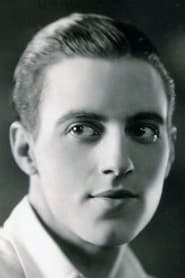
Eddie Phillips
Actor
Born: August 4, 1899 in Philadelphia, Pennsylvania, USA Died: February 17, 1965 Active: 1921-1932 Birth Name: Edward Phillips
Films
6 films
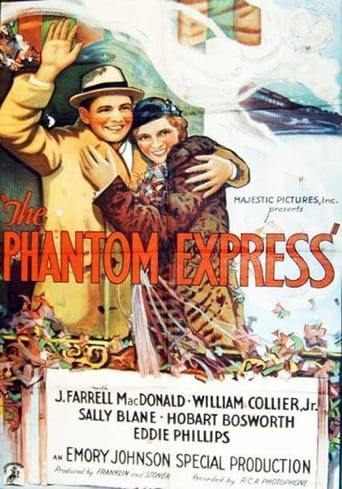

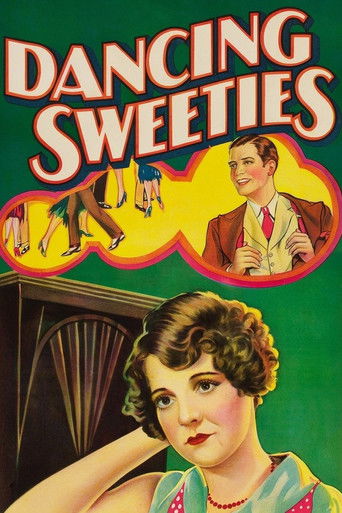
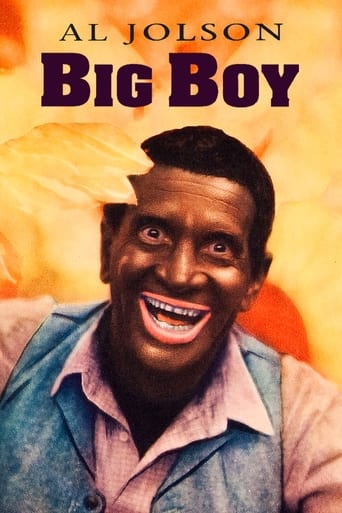
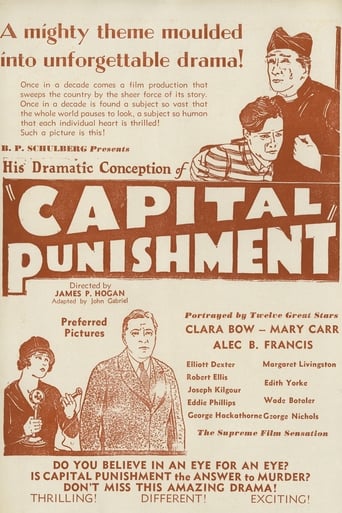
About Eddie Phillips
American character actor who worked primarily during the transition from silent films to early sound cinema in the 1920s and early 1930s. Beginning his career in 1921, he appeared in numerous supporting roles throughout the decade, often playing reliable sidekicks, friends, or minor antagonists in major productions. His most notable work included appearances in Mary Pickford's 'The Love Light' (1921), the critically acclaimed silent drama 'Lonesome' (1928), and the early sound thriller 'The Phantom Express' (1932). Phillips demonstrated versatility across genres, from romantic dramas to mysteries and action films, adapting his performance style as the industry transitioned from silent to sound technology. Like many character actors of his era, his career declined as the studio system became more established and newer faces emerged during the Golden Age of Hollywood. His final film appearances were in the early 1930s, after which he seemingly retired from acting, leaving behind a modest but respectable body of work from a transformative period in cinema history.
The Craft
On Screen
Phillips was known for his naturalistic acting style that evolved with the times. In silent films, he utilized expressive facial gestures and body language typical of the era, but with a subtlety that made his performances stand out. As sound films emerged, he adapted well to dialogue delivery, maintaining a conversational and authentic approach that resonated with audiences during the transitional period. His style was characterized by reliability and versatility, allowing him to fit seamlessly into various genres and character types.
Milestones
- Debut in Mary Pickford's 'The Love Light' (1921)
- Notable supporting role in acclaimed silent drama 'Lonesome' (1928)
- Successful transition to sound films in early 1930s
- Appeared in over 30 films during his decade-long career
Best Known For
Iconic Roles
Must-See Films
Working Relationships
Worked Often With
Studios
Why They Matter
Impact on Culture
Eddie Phillips represents the generation of actors who navigated the challenging transition from silent films to sound cinema. While never achieving star status, his work in significant films like 'Lonesome' contributed to important cinematic achievements of the era. His ability to adapt his performance style from the exaggerated expressions required in silent films to the more naturalistic approach needed for talkies exemplified the resilience and versatility required of actors during this transformative period in Hollywood history.
Lasting Legacy
Though not widely remembered today, Eddie Phillips' career shows the hundreds of character actors who formed the backbone of Hollywood's golden era. His appearances in historically significant films ensure his place in cinema history, even if his name isn't as recognizable as the stars he supported. His decade-spanning career during one of cinema's most revolutionary periods marks him as a survivor of an era when many actors couldn't make the transition to sound.
Who They Inspired
As a character actor rather than a leading man, Phillips' influence was more subtle than overt. His adaptability during the silent-to-sound transition demonstrated the technical skills required of actors during this period, potentially serving as an example for other supporting actors facing similar challenges. His work in ensemble casts helped establish the importance of strong supporting performances in creating memorable films.
Off Screen
Eddie Phillips maintained a relatively private personal life away from the Hollywood spotlight. Born in Philadelphia, he moved to California to pursue his acting career during the silent film era. Like many character actors of his time, he focused primarily on his craft rather than cultivating a public persona. After retiring from films in the early 1930s, he largely disappeared from public view, suggesting he may have returned to a more conventional life outside the entertainment industry.
Did You Know?
- Appeared in Mary Pickford's 'The Love Light' during the height of her stardom
- Successfully made the transition from silent films to talkies, a feat many actors couldn't accomplish
- Worked during
- His active years covered the entire silent-to-sound transition period
- Appeared in over 30 films in just over a decade
- Like many character actors of his era, he often played uncredited or minor roles
- His final film appearances coincided with the full establishment of the Hollywood studio system
- Retired from acting relatively young, suggesting he may have pursued other career interests
Frequently Asked Questions
Who was Eddie Phillips?
American character with credits in this catalog. He appeared in supporting roles in numerous films, including notable productions like 'The Love Light' (1921), 'Lonesome' (1928), and 'The Phantom Express' (1932).
What films is Eddie Phillips best known for?
Titles linked here include The Love Light (1921), Lonesome (1928).
When was Eddie Phillips born and when did he die?
Born August 4, 1899; died February 17, 1965.
What awards did Eddie Phillips win?
There are no recorded major awards or nominations for Eddie Phillips during his career. Like many character actors of his era, his contributions were primarily in supporting roles that didn't typically receive award recognition during that time period.
What was Eddie Phillips' acting style?
Phillips employed a naturalistic acting style that evolved with the changing technology of cinema. In silent films, he used expressive but controlled gestures and facial expressions, while in sound films, he adapted to a more conversational and authentic dialogue delivery, demonstrating the versatility needed during cinema's transitional period.