
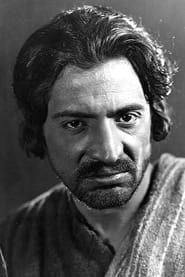
George Regas
Actor
Born: November 14, 1890 in Sparta, Greece Died: December 13, 1940 Active: 1921-1940 Birth Name: Georgios Regas
Films
2 films
About George Regas
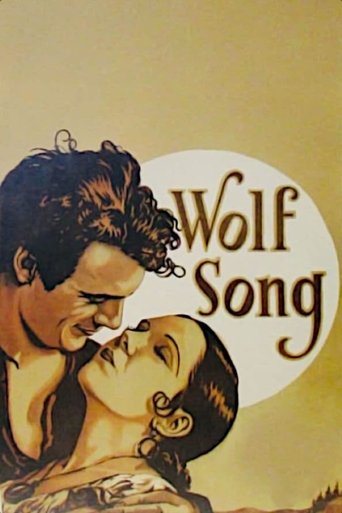
Made his mark in Hollywood during the silent era and transitioned successfully into sound films. Born in Sparta, Greece, he immigrated to the United States and began his film career in the early 1920s, quickly establishing himself as a reliable character actor specializing in ethnic roles. Throughout his career spanning nearly two decades, Regas appeared in over 70 films, often playing villains, exotic characters, or authority figures with a distinctive Mediterranean appearance. His breakthrough came with roles in major productions like 'The Love Light' (1921) starring Mary Pickford and 'Wolf Song' (1929) with Gary Cooper. Regas successfully navigated the transition from silent films to talkies, continuing to find steady work in supporting roles throughout the 1930s in films such as 'The Mummy' (1932), 'Cleopatra' (1934), and 'The Prisoner of Zenda' (1937). He worked alongside many of Hollywood's biggest stars and was frequently typecast in roles that capitalized on his Greek heritage and distinctive features. Regas continued acting until his death in 1940, leaving behind a legacy as one of Hollywood's most prolific ethnic character actors of the studio era.
The Craft
On Screen
Regas specialized in portraying ethnic characters, often with villainous or mysterious qualities. His acting style was typical of the period's character actors, relying heavily on physical presence, distinctive facial features, and accented delivery. He had a commanding screen presence that made him effective in antagonist roles, and his Mediterranean appearance allowed him to play various nationalities. In silent films, he used expressive gestures and intense gazes to convey emotion, while in talkies, his accented English became part of his character typecasting.
Milestones
- Film debut in 'The Love Light' (1921) starring Mary Pickford
- Transition to sound films with 'Wolf Song' (1929)
- Supporting role in Universal's 'The Mummy' (1932)
- Appearance in Cecil B. DeMille's 'Cleopatra' (1934)
- Role in 'The Prisoner of Zenda' (1937)
- Final film appearance in 'The Great McGinty' (1940)
Best Known For
Iconic Roles
Must-See Films
Working Relationships
Worked Often With
Studios
Why They Matter
Impact on Culture
George Regas represented an important aspect of Hollywood's golden age - the ethnic character actor who brought authenticity to diverse roles while also challenging stereotypes. As one of the few Greek actors working consistently in major Hollywood productions, Regas helped pave the way for greater diversity in American cinema, even while working within the limitations of typecasting. His presence in films ranging from historical epics to horror movies demonstrated the versatility of ethnic actors and their importance in creating the Hollywood's storytelling. Regas and his brother Pedro formed part of a small but significant community of Greek-American actors who maintained their cultural identity while contributing to American cinema.
Lasting Legacy
George Regas left behind a legacy as one of Hollywood's most reliable ethnic character actors during the studio era. His filmography of over 70 films provides a valuable record of how Hollywood portrayed ethnic characters during the 1920s and 1930s. While often typecast, Regas brought dignity and professionalism to every role, elevating even minor parts with his commanding presence and authentic portrayal of Mediterranean characters. His work in classic films like 'The Mummy' and 'Cleopatra' ensures that his performances continue to be seen by new generations of film enthusiasts. Regas represents the journey of many immigrant actors who found success in Hollywood while maintaining their cultural identity.
Who They Inspired
Regas influenced subsequent generations of ethnic actors by demonstrating that it was possible to build a sustainable career in Hollywood while embracing one's heritage. His success in transitioning from silent films to talkies provided a model for other foreign-born actors facing the challenges of the sound era. While he may not have been a star, his consistent work ethic and professional approach to character acting set an example for supporting players in the industry. The Regas brothers, George and Pedro, showed that family could thrive together in Hollywood, inspiring other immigrant families to pursue careers in the film industry.
Off Screen
George Regas immigrated to the United States from Greece in the early 20th century, settling in California where he would build his acting career. He came from a family that embraced the entertainment industry, with his brother Pedro Regas also becoming a successful character actor in Hollywood. Regas married actress Reita Revelly, with whom he shared both personal and professional connections in the film industry. The couple maintained their home in Los Angeles, where George became part of the growing Greek-American community in Hollywood. Despite being typecast throughout his career, Regas took pride in his heritage and often served as a bridge between Hollywood and the Greek community.
Family
- Reita Revelly (1930-1940)
Did You Know?
- Born in Sparta, Greece, the ancient city known for its warriors
- Brother of fellow actor Pedro Regas, who also specialized in ethnic roles
- Often played characters of various Mediterranean and Middle Eastern nationalities
- Appeared in both silent films and successfully transitioned to talkies
- Worked with horror icon Boris Karloff in 'The Mummy' (1932)
- Participated in Cecil B. DeMille's epic 'Cleopatra' (1934)
- His final film appearance was in Preston Sturges' 'The Great McGinty' (1940)
- Died at age 50 in Los Angeles, California
- Never received top billing but was a recognizable face to movie audiences
- His real name was Georgios Regas before anglicizing it for Hollywood
Frequently Asked Questions
Who was George Regas?
Greek-American character with credits in this catalog.
What films is George Regas best known for?
Titles linked here include The Love Light (1921), Wolf Song (1929).
When was George Regas born and when did he die?
Born November 14, 1890; died December 13, 1940.
What awards did George Regas win?
George Regas did not receive any major awards or nominations during his career, as was common for character actors of his era who primarily worked in supporting roles.
What was George Regas's acting style?
Regas specialized in portraying ethnic characters with a commanding presence, often playing villains or exotic figures using physical expressiveness in silent films and accented delivery in talkies, making him a reliable character actor for Mediterranean and Middle Eastern roles.