
Wolf Song
"Dialog majority film featured."
Keys: Space play/pause · ←/→ 10s · F fullscreen · M mute · </> speed
About this film
After they get married, Sam is torn between his love for Lola and his yearn for traveling. While the film has a few sequences with dialog, the majority of the film featured a synchronized musical score with sound effects using both the sound-on-disc and sound-on-film process. In 1840, Sam Lash heads west for adventure.
Cast & crew
More films like this
More Romance films
View all →

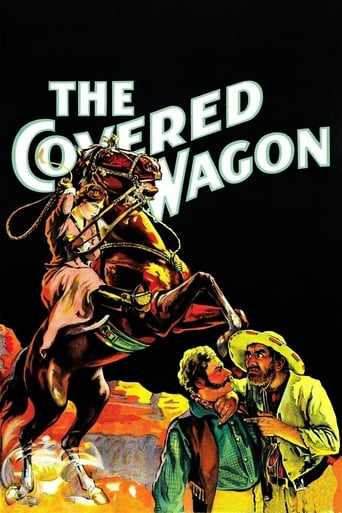

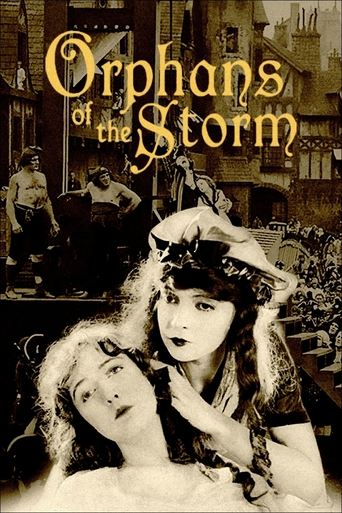


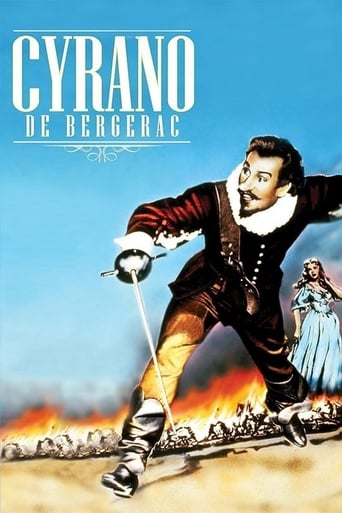
More from Victor Fleming
View all →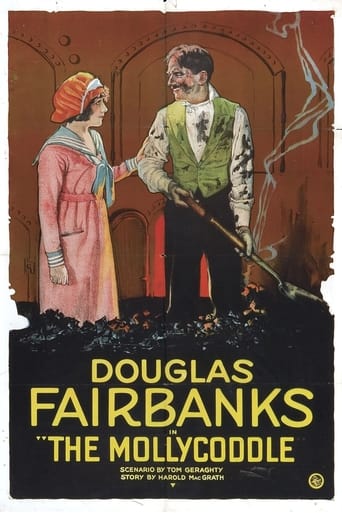


More about this film
About the production
Release dateMarch 30, 1929
Box officeModerately successful for its time
ProductionParamount Pictures
Filmed inSierra Nevada Mountains, California, Paramount Studios, Hollywood, California
Wolf Song was produced during the critical transition period from silent films to talkies. The film was originally conceived as a silent picture but was released with a synchronized musical score and sound effects. The production faced challenges filming on location in the Sierra Nevada mountains, where the cast and crew endured harsh weather conditions. Gary Cooper performed many of his own stunts, adding authenticity to the mountain man sequences. The film's costume department created authentic period clothing for both the mountain men and Mexican characters, with extensive research into 1840s frontier fashion.
Themes
Love versus FreedomCivilization versus WildernessCultural IntegrationThe Call of the WildSacrifice and Commitment
Themes & topics
Historical background
Viewers around 1929 encountered Wolf Song in a market learning how screen stories could carry social themes as well as spectacle.
Why this film matters
Archivists revisit Wolf Song (1929) for performance styles and craft choices that later releases refined or replaced.
Making of
The production of Wolf Song was marked by the industry's chaotic transition to sound technology. While filming began as a silent picture, Paramount ordered the addition of synchronized sound during post-production, requiring the cast to return for dialogue recording. Gary Cooper, who had a distinctive deep voice, adapted well to the new medium, unlike many silent stars whose careers ended with the coming of sound. The on-location filming in the Sierra Nevada mountains presented significant challenges, with the crew having to transport heavy equipment by mule train to remote locations. Lupe Vélez, a Mexican actress, was specifically chosen for her authenticity and fiery screen presence, though her heavy accent required dialogue coaches for the sound version. The film's romantic scenes between Cooper and Vélez were notably passionate for the era, partly fueled by their real-life off-screen romance that began during production. Director Victor Fleming, known for his meticulous attention to detail, insisted on authentic frontier props and costumes, many of which were sourced from historical collections.
What critics said
Modern retrospectives screen Wolf Song for craft context—pacing, performance, and camera choices of 1929.
Did you know?
- This was one of Gary Cooper's early leading roles, helping establish him as a major star in Western films
- Lupe Vélez and Gary Cooper began a real-life romantic relationship during filming, though it ended tumultuously
- The film was based on a story by Harvey Fergusson titled 'Wolf Song'
- Director Victor Fleming would later direct two of the most famous films in cinema history: 'Gone with the Wind' and 'The Wizard of Oz'
- Louis Wolheim, who played Sam's friend Gullion, was a former teacher who turned to acting in his 30s
- The film was shot in both silent and sound versions to accommodate theaters that hadn't yet converted to sound equipment
- The mountain man scenes were filmed at elevations above 8,000 feet, requiring the cast to acclimate to the altitude
- Wolf Song was one of the first films to realistically depict the mountain man culture of the American West
- The film's title refers to both the howling of wolves in the wilderness and Sam's 'wolf-like' nature as a wanderer
- Paramount considered canceling the production due to budget concerns but proceeded after Gary Cooper's rising star power
Awards & recognition
- No major awards were won by this film
Visual style
The cinematography by James Wong Howe, one of the era's most innovative directors of photography, was particularly notable for its use of natural light in the location sequences. Howe employed groundbreaking techniques for capturing the vast landscapes of the Sierra Nevada mountains, using wide-angle lenses and careful composition to emphasize both the beauty and isolation of the wilderness setting. The film's visual style contrasted the expansive, majestic outdoor shots with intimate, carefully lit interior scenes that highlighted the emotional tension between the characters. Howe experimented with early color tinting for certain sequences, particularly the romantic scenes, to enhance their emotional impact. The cinematography effectively used shadows and light to create a mood that reflected both the danger of frontier life and the warmth of the romantic relationship.
Innovations
Wolf Song was technically significant as one of the early hybrid films that successfully incorporated sound elements while maintaining the visual sophistication of late silent cinema. The production utilized the new Movietone sound-on-film system, allowing for better synchronization between picture and sound than earlier sound-on-disc technologies. The film's location recording of natural sounds, including wind, water, and animal calls, was pioneering for its time and contributed to its authentic atmosphere. The cinematography employed early use of panchromatic film stock, which provided better tonal reproduction for outdoor scenes and more natural rendering of actors' skin tones. The special effects team created convincing avalanche sequences using miniatures and clever editing, which were impressive for the period.
Music
Wolf Song featured a synchronized musical score composed by John Leipold, with sound effects designed to enhance the wilderness atmosphere. The score incorporated elements of American folk music and traditional Mexican melodies to reflect the film's cultural themes. Notably, the film used the howling of wolves as a recurring musical motif, connecting to both the title and Sam's character. The sound version included limited dialogue, with much of the storytelling still relying on visual storytelling and intertitles, reflecting its origins as a silent film. The musical accompaniment was performed by the Paramount Studio Orchestra, with particular emphasis on string arrangements during romantic scenes and brass-heavy passages for action sequences. The sound design was considered innovative for its time in creating an immersive wilderness environment.
Famous quotes
Sam Lash: 'A wolf ain't meant to be tied to a kitchen door.'
Lola: 'You ask me to leave my world, but can you leave yours?'
Gullion: 'The mountains call to men like us, and we must answer.'
Sam Lash: 'I love you, Lola, but I love the wild too.'
Memorable scenes
- The dramatic elopement sequence where Sam and Lola ride away under moonlight, with her family in pursuit
- The mountain man campfire scenes showing the rugged lifestyle of the frontier trappers
- The emotional confrontation between Sam and Lola when he must choose between his wanderlust and their marriage
- The spectacular location photography of the Rocky Mountains, particularly the scenes filmed at high altitude
What audiences thought
Wolf Song was well-received by audiences in 1929, particularly fans of Gary Cooper who were drawn to his rugged good looks and understated acting style. The film's romantic elements appealed to female viewers, while the Western action and mountain man adventure attracted male audiences. The on-screen chemistry between Cooper and Vélez was a major draw, with many viewers believing their romance was genuine (which it was, at the time). The film performed solidly at the box office, especially in Western states where audiences appreciated the authentic frontier setting. Despite the industry's turmoil during the transition to sound, Wolf Song managed to find its audience and helped establish Cooper as a bankable star in the new era of sound cinema.
Film connections
Influenced by
- The Covered Wagon (1923)
- The Iron Horse (1924)
- The Big Trail (unreleased but in production)
This film influenced
- The Virginian (1929)
- The Plainsman (1936)
- Union Pacific (1939)
- Red River (1948)
Film restoration
Wolf Song survives in both its silent and sound versions, with copies held at the Library of Congress and the UCLA Film & Television Archive. The film has been partially restored, though some sequences show signs of deterioration typical of films from this period. A complete version was released on DVD as part of the Universal Vault Series in 2016, making it accessible to modern audiences.
Where to watch
- Available on DVD through Universal Vault Series
- Occasionally screened at classic film festivals and revival theaters
- Available for streaming on some classic film subscription services
- Can be accessed through film archive collections for research purposes