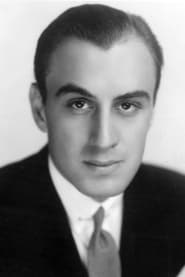
Russ Columbo
Actor
Born: January 14, 1908 in Camden, New Jersey, USA Died: September 2, 1934 Active: 1928-1934 Birth Name: Ruggiero Eugenio Rodolfo Columbo
Films
2 films
About Russ Columbo
Russ Columbo, born Ruggiero Eugenio Rodolfo Columbo, was a remarkably talented American singer, violinist, and actor who rose to prominence during the transition from silent films to talkies. Beginning his career as a violinist in various orchestras, he transitioned to singing in the late 1920s and quickly became popular crooners of his era, often compared to Bing Crosby. His smooth, intimate vocal style and handsome looks made him a natural for the emerging sound film industry, leading to roles in several early talkies. Despite his film appearances in 1929, Columbo's primary fame came from his recording career and radio performances, where he popularized songs like 'You Call It Madness, But I Call It Love' and 'Prisoner of Love.' His career was tragically cut short at age 26 when he died in a bizarre accident involving an antique pistol, just as he was reaching the pinnacle of his fame and had signed a lucrative film contract. In his brief career, Columbo recorded over 150 songs and appeared in numerous films, leaving an indelible mark on both the music and film industries despite his youth.
The Craft
On Screen
Natural and charismatic screen presence with a smooth, romantic persona that translated well from his singing career. Though his film roles were limited, he demonstrated a natural ease before the camera, embodying the romantic lead archetype common in early talkies. His acting was understated yet effective, relying heavily on his musical talents and handsome appearance rather than dramatic technique.
Milestones
- Became one of the first major crooners of the talking picture era
- Recorded over 150 songs for various record labels
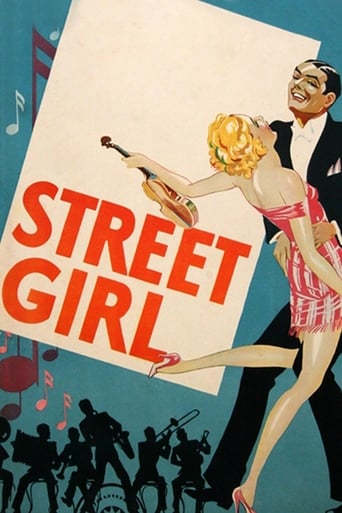
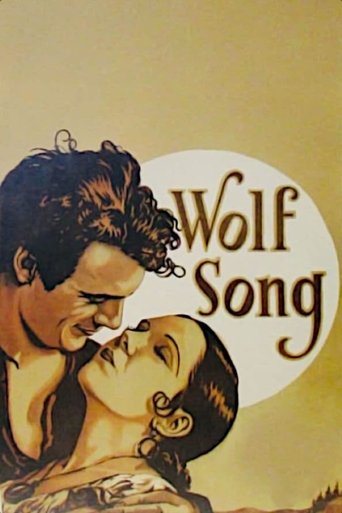
- Starred in several early sound films including 'Street Girl' and 'Wolf Song'
- Had his own radio show on CBS in 1932-1933
- Signed a lucrative contract with Paramount Pictures just before his death
- Popularized the intimate microphone singing technique
- Was considered a rival to Bing Crosby in popularity
Best Known For
Iconic Roles
Must-See Films
Accolades
Special Recognition
- Posthumous star on the Hollywood Walk of Fame for Recording
- Inducted into the Big Band and Jazz Hall of Fame
- His recordings preserved in the Library of Congress
Working Relationships
Worked Often With
Studios
Why They Matter
Impact on Culture
Russ Columbo played a pivotal role in shaping the crooner genre and the intimate singing style that would dominate popular music for decades. His technique of singing softly and closely to the microphone created an intimate, personal connection with listeners that was revolutionary for its time. This approach directly influenced the development of popular singing and helped define the sound of romantic ballads in the 1930s and beyond. His tragic death at such a young age created a cult of personality around him, cementing his status as a romantic figure in Hollywood history and contributing to the mythos of the doomed young artist.
Lasting Legacy
Despite his brief career spanning only six years, Russ Columbo left an enduring legacy as one of the pioneers of the crooning style that would dominate American popular music. His recordings continue to be celebrated by collectors of vintage music and are frequently featured in films and television shows set in the 1930s. The circumstances of his death have become legendary in Hollywood lore, often cited as. His influence can be heard in the work of countless singers who followed, and he is remembered as a bridge between the vaudeville era and modern popular music.
Who They Inspired
Columbo's intimate microphone technique directly influenced the singing styles of Bing Crosby, Perry Como, and Frank Sinatra. His approach to romantic balladry set the standard for male pop vocalists throughout the 1930s and 1940s. Many later crooners cited him as an early influence, particularly in the way he combined classical training with popular appeal. His film work, though limited, helped establish the template for singer-actors in early sound films, paving the way for later entertainers like Crosby and Sinatra to successfully transition between music and film careers.
Off Screen
Russ Columbo was romantically linked to several Hollywood actresses during his brief career, most notably Carole Lombard with whom he had a serious relationship. At the time of his death, he was engaged to actress Sally Blane, sister of Loretta Young. He lived a relatively private life despite his growing fame, maintaining close relationships with his Italian-American family. His sudden death at the height of his career shocked the entertainment industry and left many wondering what greater heights he might have reached.
Education
Self-taught musician, learned violin from his father and studied music informally throughout his youth
Family
- Never married (engaged to Sally Blane at time of death)
Did You Know?
- Died from a bizarre accident when an antique pistol his friend was showing him discharged, sending a bullet ricocheting off a table into his forehead
- His death was initially kept secret for several hours while his fiancée Sally Blane completed a film scene
- Was nicknamed 'The Crooner of the Century' during his lifetime
- His version of 'Prisoner of Love' became his most enduring hit, recorded by many artists after his death
- Was a skilled violinist who could play 26 different instruments
- Once performed for President Herbert Hoover at the White House
- His funeral was one of the largest in Hollywood history up to that time
- A film about his life, 'The Russ Columbo Story,' was planned but never produced
- His recordings were so popular that they continued to be released for years after his death
- Was discovered while playing violin in a Los Angeles nightclub
In Their Own Words
You call it madness, but I call it love - lyrics from his signature song
I'd rather be lucky than good - his personal philosophy on success
When I sing, I want to make every girl in the audience think I'm singing just to her
Frequently Asked Questions
Who was Russ Columbo?
Popular American singer, violinist, and with credits in this catalog. Known as one of the first major crooners, he recorded over 150 songs and appeared in several early sound films before his tragic death at age 26.
What films is Russ Columbo best known for?
Titles linked here include Street Girl (1929), Wolf Song (1929).
When was Russ Columbo born and when did he die?
Born January 14, 1908; died September 2, 1934.
What awards did Russ Columbo win?
Due to his brief career, Russ Columbo did not receive major formal awards during his lifetime. However, he was posthumously honored with a star on the Hollywood Walk of Fame and inducted into the Big Band and Jazz Hall of Fame for his contributions to music.
What was Russ Columbo's singing style?
Columbo pioneered the intimate crooning style, singing softly and closely to the microphone to create a personal, romantic connection with listeners. His smooth, velvety voice and emotional delivery set the standard for male pop vocalists of the 1930s.