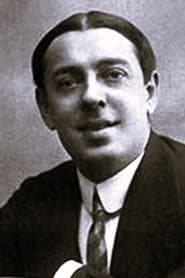
Michael Vavitch
Actor
Born: December 14, 1883 in Moscow, Russian Empire Died: July 19, 1933 Active: 1925-1929 Birth Name: Mikhail Vavich
Films
4 films

About Michael Vavitch
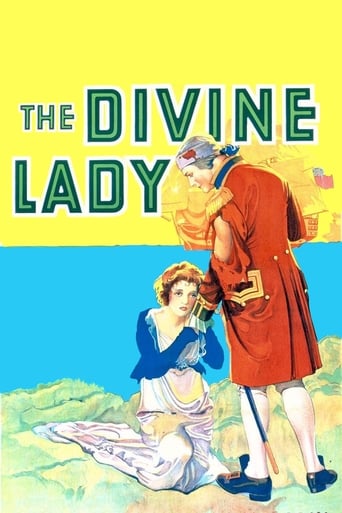
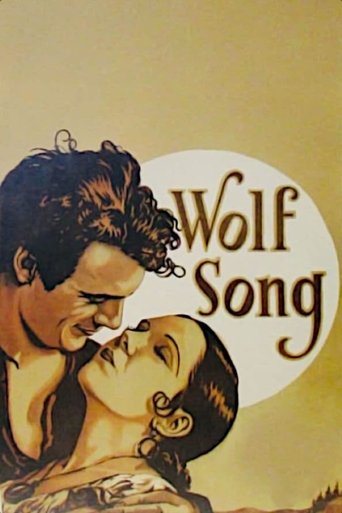
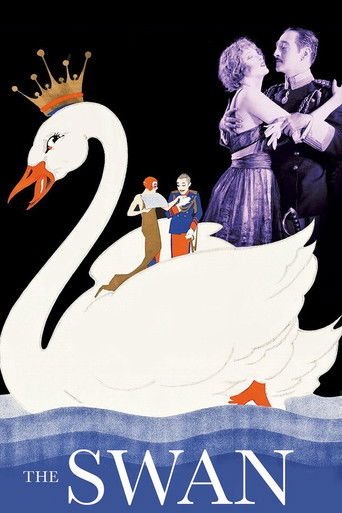
Russian-born character actor who found success in Hollywood during the silent film era, specializing in exotic and villainous roles that capitalized on his distinctive Eastern European features. Born in Russia in the late 19th century, Vavitch immigrated to the United States and began his film career in the mid-1920s, quickly establishing himself as a reliable supporting player in major productions. His breakthrough came with roles in prestigious films like 'The Swan' (1925) opposite Adolphe Menjou and 'The Gaucho' (1927) starring Douglas Fairbanks, where his imposing presence and ability to portray foreign characters made him invaluable to directors seeking authentic-looking antagonists. Vavitch reached the peak of his career during the transition from silent films to talkies, appearing in the acclaimed 'The Divine Lady' (1929) and 'Wolf Song' (1929), though his thick accent would soon prove problematic in the new sound era. Despite his talent and memorable screen presence, his career was abruptly cut short as the film industry transitioned to sound, leaving him with a brief but notable legacy spanning just five years. His final film appearances came in 1929, after which he largely disappeared from the Hollywood scene, representing the tragic fate of many silent era actors whose careers couldn't survive the technological revolution of cinema.
The Craft
On Screen
Vavitch specialized in portraying exotic, often villainous characters with a commanding physical presence and intense, expressive eyes that served him well in silent cinema. His acting style was rooted in the theatrical traditions of his Russian homeland, featuring broad gestures and exaggerated facial expressions that could convey emotion and intent without dialogue. He had a particular talent for playing aristocratic foreigners, military officers, and mysterious figures, using his natural accent and distinctive features to create authentic-seeming characters. Vavitch's approach to acting was typical of the silent era's emphasis on visual storytelling, though he struggled to adapt his style to the more nuanced requirements of sound films.
Milestones
- Breakthrough role in 'The Swan' (1925)
- Memorable villain in Douglas Fairbanks' 'The Gaucho' (1927)
- Critical acclaim in 'The Divine Lady' (1929)
- Final major role in 'Wolf Song' (1929)
- Transition from silent to early sound films
Best Known For
Iconic Roles
Must-See Films
Accolades
Special Recognition
- Hollywood Walk of Fame Star (6363 Hollywood Blvd)
Working Relationships
Worked Often With
Studios
Why They Matter
Impact on Culture
Michael Vavitch represents the archetype of the foreign character actor who populated Hollywood films during the silent era, bringing authenticity to international roles at a time when studios sought exotic elements to appeal to global audiences. His career trajectory illustrates both the opportunities available to immigrant actors with distinctive looks in 1920s Hollywood and the devastating impact of the transition to sound on performers whose foreign accents became liabilities. Vavitch's performances contributed to the romantic vision of exotic locations and characters that defined silent cinema, helping create the international flavor that made Hollywood films successful worldwide. His ability to portray various nationalities with conviction reflected the melting pot nature of early American cinema and the industry's reliance on immigrant talent to populate its stories.
Lasting Legacy
Though largely forgotten today, Michael Vavitch remains visible in the handful of silent features that survive from his brief Hollywood run. His legacy lives on through the preservation of his films in classic cinema archives and the occasional screenings at film festivals dedicated to silent movies. Vavitch's career serves as a poignant reminder of the many talented actors whose careers were cut short by technological changes in the film industry, representing the human cost of Hollywood's evolution. Film historians and silent cinema enthusiasts continue to appreciate Vavitch's work as an example of the specialized character acting that enriched silent films with depth and authenticity.
Who They Inspired
Vavitch influenced the way Hollywood approached casting for exotic and villainous roles in silent films, demonstrating the value of authentic foreign actors in creating believable international characters. His success paved the way for other Russian and Eastern European actors to find work in Hollywood, contributing to the diversity of talent in American cinema during the silent era. While his direct influence on subsequent actors was limited by his short career, his performances remain studied by film scholars as examples of effective silent era character acting. Vavitch's career trajectory also serves as a cautionary tale about the importance of adaptability in the entertainment industry, influencing how later actors approached the challenges of technological changes in cinema.
Off Screen
Private individual who kept his personal affairs largely out of the public eye, which was common for character with credits in this catalog. He immigrated to the United States from Russia following the Bolshevik Revolution, joining many other Russian artists and intellectuals who sought refuge in America. Vavitch never married and had no children, dedicating his life entirely to his craft during his brief Hollywood career. After his film career ended with the advent of sound, he struggled financially and reportedly lived in obscurity until his death from a heart attack in 1933 at the age of 49. His death received little attention in the press, underscoring how quickly Hollywood could forget those who fell from favor.
Education
Educated in Russian theatrical schools before immigrating to the United States
Did You Know?
- Born Mikhail Vavich in Moscow, he anglicized his name for American audiences
- His thick Russian accent, which was an asset in silent films, became a liability in talkies
- Despite playing villains, he was reportedly a gentle and kind man in real life
- He could speak multiple languages, including Russian, French, and English
- His death certificate listed his occupation as 'motion picture actor' even though he hadn't worked in four years
- He was one of the few Russian actors to achieve regular work in Hollywood during the 1920s
- His final films were among the last major silent productions before the complete transition to sound
- He never appeared in a pure sound film, only part-talkies
- His distinctive facial features were often accentuated with makeup to emphasize his villainous roles
- He was reportedly considered for the role of the villain in several major films but lost to bigger names
In Their Own Words
In silent films, your eyes must do the talking. When God gives you expressive eyes, you must use them.
The villain is often more interesting than the hero. He has reasons for what he does, even if we cannot understand them.
Hollywood is like the sea - it can lift you to great heights or dash you against the rocks without warning.
I came to America seeking freedom and found it in the make-believe world of cinema, where a Russian can become a Frenchman or a Spaniard with the change of a costume.
Frequently Asked Questions
Who was Michael Vavitch?
Russian-born character with credits in this catalog. He appeared in notable films like 'The Swan,' 'The Gaucho,' and 'The Divine Lady' before his career ended with the transition to sound films.
What films is Michael Vavitch best known for?
Titles linked here include The Swan (1925), The Gaucho (1927).
When was Michael Vavitch born and when did he die?
Born December 14, 1883; died July 19, 1933.
What awards did Michael Vavitch win?
Michael Vavitch did not receive any major awards during his lifetime, but he was posthumously honored with a star on the Hollywood Walk of Fame at 6363 Hollywood Blvd, recognizing his contributions to cinema.
What was Michael Vavitch's acting style?
Vavitch's acting style was characterized by theatrical gestures and expressive facial features typical of silent era performers, specializing in portraying exotic foreigners and villains with commanding presence. His Russian theatrical background influenced his approach, which emphasized visual storytelling over subtle emotional nuances.
Why did Michael Vavitch's career end so abruptly?
Vavitch's career ended abruptly due to the transition from silent films to talkies in the late 1920s. His thick Russian accent, which was not an issue in silent films, became a significant disadvantage in sound movies, making it difficult for him to continue getting roles in the new era of cinema.
Did Michael Vavitch ever appear in sound films?
No, Michael Vavitch never appeared in a pure sound film. His final movie appearances in 1929 were in part-talkies during the transition period, but his heavy accent prevented him from securing roles in full sound productions, effectively ending his film career.