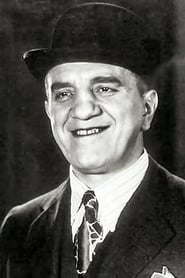
Louis Wolheim
Actor
Born: March 28, 1880 in New York City, New York, USA Died: February 18, 1931 Active: 1914-1931 Birth Name: Louis Robert Wolheim
Films
9 films

About Louis Wolheim
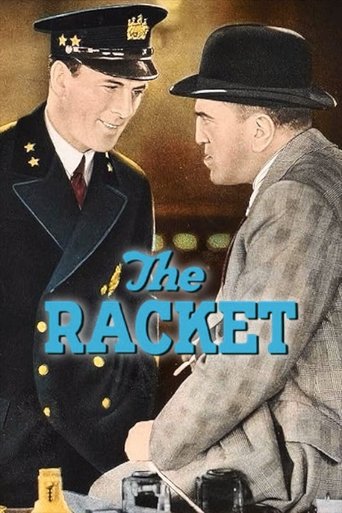
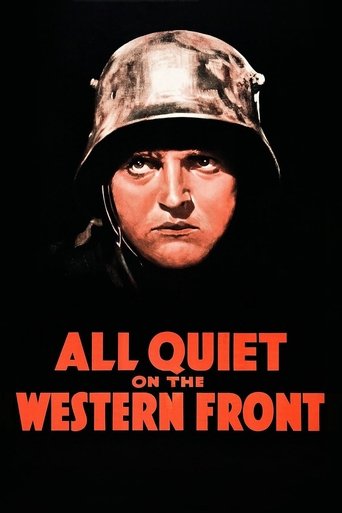
Distinctive character actor: memorable face and imposing presence made him recognizable supporting players in silent and early sound cinema. Born with a rugged, almost brutish appearance that he often joked was the result of a college football injury, Wolheim leveraged his unique looks to build a career playing villains, thugs, and tough-guy characters. He began his career on Broadway before transitioning to films in the early 1920s, quickly establishing himself as a reliable character actor in both dramatic and comedic roles. Wolheim worked with many of the era's biggest stars, including John Barrymore and Mary Pickford, and appeared in notable films like 'The Racket' (1928) and 'All Quiet on the Western Front' (1930). His transition to sound films was successful, as his deep, gravelly voice perfectly complemented his tough screen persona. Tragically, Wolheim's promising career was cut short when he died unexpectedly in 1931 at the age of 50, just as he was reaching the peak of his fame and had signed a lucrative contract with MGM.
The Craft
On Screen
Wolheim was known for his naturalistic, understated acting style that contrasted with the more theatrical performances common in silent films. Despite his intimidating appearance, he brought surprising depth and humanity to even his most villainous roles. His physical presence was commanding, often using minimal gestures to convey complex emotions. In sound films, his distinctive gravelly voice became an additional asset, perfectly matching his rough-hewn screen persona.
Milestones
- Broadway stage debut in 'The Dove' (1912)
- Film debut in 'The Family Cupboard' (1915)
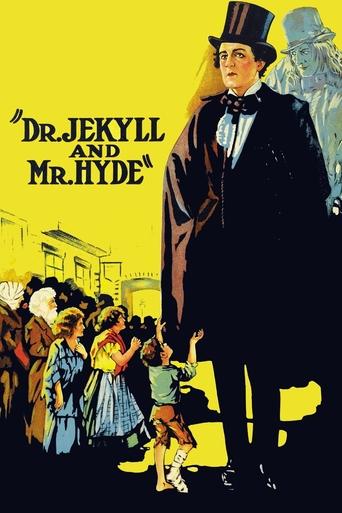
- Breakthrough role in 'Dr. Jekyll and Mr. Hyde' (1920)
- Critically acclaimed performance in 'The Racket' (1928)
- Final starring role in 'All Quiet on the Western Front' (1930)
- Signed major contract with MGM shortly before death
Best Known For
Iconic Roles
Must-See Films
Accolades
Special Recognition
- Star on the Hollywood Walk of Fame (located at 6425 Hollywood Blvd)
Working Relationships
Worked Often With
Studios
Why They Matter
Impact on Culture
Louis Wolheim represented the evolution of character acting from theatrical to cinematic naturalism during the transition from silent to sound films. His ability to play both menacing villains and sympathetic tough guys helped establish the archetype of the complex character actor who could transcend typecasting. Wolheim's success demonstrated that unconventional looks could be an asset rather than a limitation in cinema, paving the way for future character actors with distinctive appearances. His work in 'All Quiet on the Western Front' was particularly significant, as it brought nuance and humanity to the portrayal of soldiers in war films, influencing how such characters would be depicted in subsequent cinema.
Lasting Legacy
Louis Wolheim's legacy endures through his memorable performances in some of the most important films of the late silent and early sound era. Though his career was cut short, he left an indelible mark on cinema as one of the first true character actors to achieve stardom based on talent rather than conventional good looks. His performances continue to be studied by film scholars as examples of effective naturalistic acting in early cinema. The Hollywood Walk of Fame star bearing his name ensures his contributions to film history are remembered, and his films remain popular among classic cinema enthusiasts for their authentic portrayals and his compelling screen presence.
Who They Inspired
Wolheim influenced subsequent generations of character actors by proving that distinctive physical features combined with genuine acting skill could create memorable, three-dimensional characters. His naturalistic style, particularly his ability to convey emotion through subtle facial expressions rather than exaggerated gestures, helped move screen acting away from theatrical conventions. Many later character actors, including Wallace Beery and Edward G. Robinson, built upon Wolheim's template of the tough but nuanced character. His successful transition to sound films also demonstrated that character actors with distinctive voices could thrive in the new medium, encouraging studios to value character performers more highly during the early sound era.
Off Screen
Louis Wolheim was married to theater actress Ruth Wolheim (née Whitman) for many years until his death. Despite his menacing screen presence, colleagues described him as a gentle, well-educated man who spoke several languages and enjoyed literature and classical music. He was known for his wit and self-deprecating humor about his appearance. Wolheim lived comfortably but not extravagantly, investing his earnings wisely. He was a private person who rarely discussed his personal life in interviews.
Education
Graduated from Cornell University with a degree in engineering; also attended Dartmouth College where he played football
Family
- Ruth Whitman (1913-1931)
Did You Know?
- Was a Cornell University graduate and former football player, which contributed to his rugged appearance
- His distinctive facial features were often attributed to a broken nose sustained during his college football days
- Was fluent in several languages including French, German, and Italian
- Despite playing villains, he was described by co-stars as one of the kindest and most gentle people in Hollywood
- Was a published poet and writer of short stories in his spare time
- John Barrymore personally recommended Wolheim for the role of Mr. Hyde in 'Dr. Jekyll and Mr. Hyde'
- Died unexpectedly of stomach cancer while under contract to MGM, with several films yet to be released
- His final completed film 'The Front Page' (1931) was released posthumously
- Was one of the highest-paid character actors of his era, earning $1,500 per week at the height of his career
- Never took acting lessons, believing his engineering background and life experience provided all the training he needed
In Their Own Words
They say I have the face of a gorilla and the soul of a poet. I'm not sure which has served me better in Hollywood.
In pictures, I'm either a villain or a comic relief. In real life, I'm just a guy who likes to read books and play chess.
Barrymore told me my face would make me a fortune. He was right, but he forgot to mention I'd have to play every heavy in Hollywood to get it.
Frequently Asked Questions
Who was Louis Wolheim?
Prominent American character with credits in this catalog. He appeared in classic films like 'Dr. Jekyll and Mr. Hyde' (1920) and 'All Quiet on the Western Front' (1930) before his untimely death in 1931.
What films is Louis Wolheim best known for?
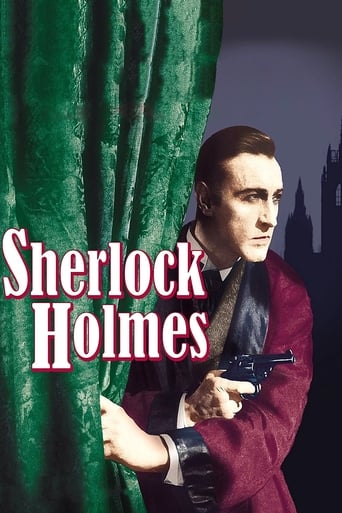
Titles linked here include Dr. Jekyll and Mr. Hyde (1920), Sherlock Holmes (1922).
When was Louis Wolheim born and when did he die?
Born March 28, 1880; died February 18, 1931.
What awards did Louis Wolheim win?
Louis Wolheim did not receive any major film awards during his lifetime, as the Academy Awards were just beginning when he was active. However, he was posthumously honored with a star on the Hollywood Walk of Fame at 6425 Hollywood Blvd, recognizing his significant contributions to cinema.
What was Louis Wolheim's acting style?
Wolheim was known for his naturalistic, understated acting style that contrasted with the theatrical performances common in silent films. He brought depth and humanity to his villainous roles using minimal gestures and expressions, while his distinctive gravelly voice in sound films perfectly complemented his rough-hewn screen persona.