Films
4 films


About Constantine Romanoff
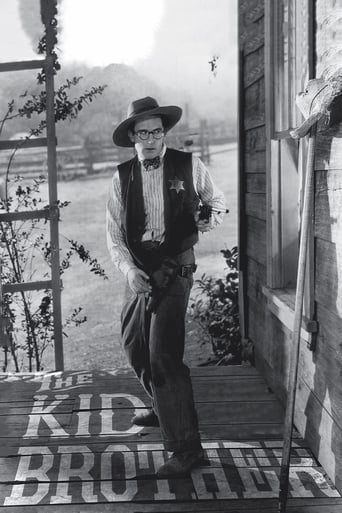
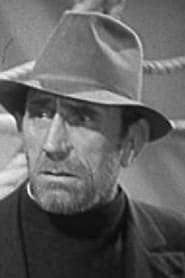
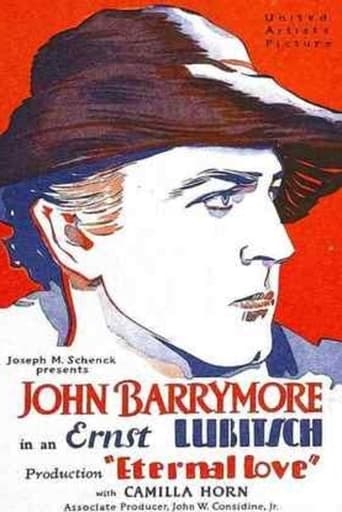
Character actor during the late silent era, primarily active between 1926 and 1929. Constantine appears in several notable productions of the period, often playing supporting roles that capitalized on his distinctive appearance and demeanor. Romanoff worked with some of the biggest stars of his time, including Harold Lloyd in 'For Heaven's Sake' (1926) and 'The Kid Brother' (1927). His career coincided with the transition from silent films to talkies, a period that saw many character actors struggle to adapt to the new medium. Romanoff appeared in 'Wolf Song' (1929) alongside Gary Cooper and in 'Eternal Love' (1929) with John Barrymore, demonstrating his ability to secure roles in major productions. Like many supporting actors of his era, his film career appears to have been relatively brief, possibly ending with the advent of sound or due to other personal or professional factors. His limited filmography suggests he may have been a bit player or character actor rather than a leading man, which was common for actors with distinctive physical characteristics or foreign accents during this period.
The Craft
On Screen
As a character actor during the silent era, Romanoff's performances would have relied heavily on physical expression, gesture, and facial emotion to convey character and story. His appearances in major productions suggest he had a distinctive screen presence that made him suitable for various supporting roles. Silent era acting typically emphasized exaggerated expressions and movements to ensure emotional clarity without dialogue, and Romanoff would have employed these techniques in his performances.
Milestones
- Appeared in Harold Lloyd's 'For Heaven's Sake' (1926)
- Co-starred in Harold Lloyd's 'The Kid Brother' (1927)
- Appeared in Gary Cooper's 'Wolf Song' (1929)
- Featured in John Barrymore's 'Eternal Love' (1929)
Best Known For
Iconic Roles
Must-See Films
Working Relationships
Worked Often With
Studios
Why They Matter
Impact on Culture
Constantine Romanoff represents the many character actors who formed the backbone of silent era cinema but whose names have largely faded from film history. His appearances in major productions alongside stars like Harold Lloyd, Gary Cooper, and John Barrymore demonstrate the important supporting roles these actors played in creating the classic Hollywood cinema. While not a star himself, Romanoff contributed to the success of several significant films of the late 1920s, a crucial transitional period in film history.
Lasting Legacy
Constantine Romanoff's legacy is primarily that of a typical working actor during Hollywood's silent era, representing the countless performers who contributed to classic films without achieving lasting fame. His filmography, though brief, includes several important works from the late 1920s that are studied and appreciated by film historians and silent cinema enthusiasts. Like many character actors of his generation, he serves as a reminder of the collaborative nature of filmmaking and the importance of supporting performances in creating memorable cinema.
Who They Inspired
As a supporting actor with a limited filmography, Constantine Romanoff's direct influence on subsequent generations of performers is difficult to trace. However, his work contributes to the broader understanding of silent era acting techniques and the studio system that characterized Hollywood during this period. His appearances in successful films of the era helped establish patterns of character acting that would continue throughout Hollywood's golden age.
Off Screen
Very little is documented about Constantine Romanoff's personal life, which was common for supporting actors of the silent era who did not achieve star status. Like many character actors of his period, details about his family background, relationships, and life outside of film have not been preserved in historical records or film archives.
Did You Know?
- Constantine Romanoff's active years covered only four years, coinciding with the transition from silent films to talkies
- He appeared in two Harold Lloyd films, suggesting a working relationship with the comedy star
- All four of his known films were released by different studios, indicating he worked as a freelance actor
- The year 1929 marked both his most prolific year (three films) and his last known film appearances
- Like many character actors of the silent era, his biographical details remain largely undocumented
- His name suggests possible Eastern European heritage, common among character actors of the period
- He worked with three of the biggest stars of the late 1920s: Harold Lloyd, Gary Cooper, and John Barrymore
Frequently Asked Questions
Who was Constantine Romanoff?
Character with credits in this catalog. He appeared in supporting roles in several notable films including Harold Lloyd's comedies 'For Heaven's Sake' and 'The Kid Brother', as well as dramatic features like 'Wolf Song' and 'Eternal Love'.
What films is Constantine Romanoff best known for?
Titles linked here include For Heaven's Sake (1926), The Kid Brother (1927).
When was Constantine Romanoff born and when did he die?
Unfortunately, specific birth and death dates for Constantine Romanoff are not documented in available historical records. This is common for many supporting actors from the silent era who did not achieve star status and whose biographical details were not preserved.
What awards did Constantine Romanoff win?
There are no documented awards or nominations for Constantine Romanoff. Like many character actors of the silent era, he worked without formal recognition from industry awards, which were still in their early stages during his brief career.
What was Constantine Romanoff's acting style?
As a silent era actor, Romanoff would have employed the physical acting techniques characteristic of the period, relying on gesture, facial expression, and body language to convey emotion and character. His appearances in both comedies and dramas suggest versatility in adapting his performance style to different genres.
Why did Constantine Romanoff's career end in 1929?
While the exact reason is unknown, Romanoff's career ended in 1929, coinciding with the transition to sound films. Many silent era actors, particularly those with distinctive accents or limited vocal training, found it difficult to adapt to talkies, which may have contributed to his departure from the film industry.