Madge Bellamy
Actor
Born: June 30, 1899 in Hillsboro, Texas, USA Died: January 24, 1990 Active: 1920-1945 Birth Name: Margaret Derden Philpott
Films
7 films
About Madge Bellamy
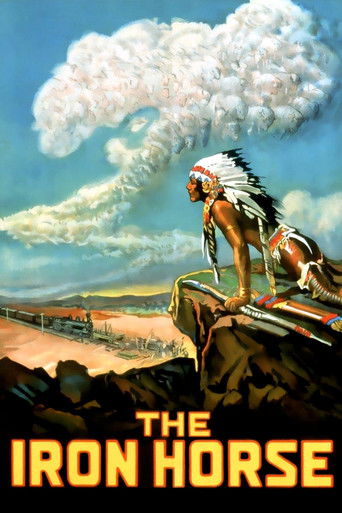
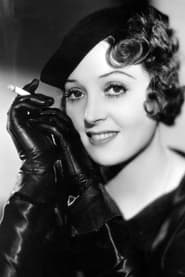
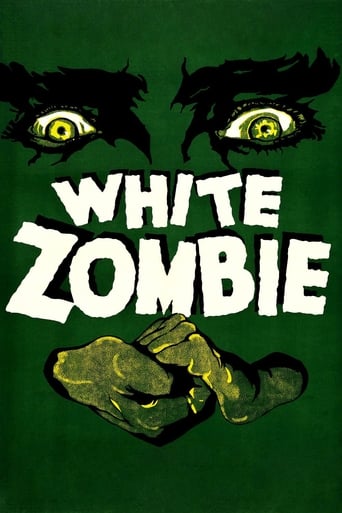
Madge Bellamy, born Margaret Derden Philpott, was a prominent American actress who flourished during the silent film era and successfully transitioned into early talkies. She began her career as a dancer in Broadway productions before being discovered by Hollywood talent scouts and signing with Fox Film Corporation in 1920. Her breakthrough came with starring roles in romantic dramas and adventure films, culminating in her most celebrated performance in John Ford's epic Western 'The Iron Horse' (1924). Bellamy was known for her expressive acting style that perfectly suited silent cinema, with her striking beauty and emotional range making her a popular leading lady throughout the 1920s. As sound films emerged, she adapted her career by appearing in horror films, most notably the cult classic 'White Zombie' (1932) opposite Bela Lugosi. Despite her success, Bellamy's film career waned by the mid-1930s, though she made occasional appearances in films and television through the 1940s. She spent her later years away from the spotlight, living quietly in California until her death at age 90.
The Craft
On Screen
Madge Bellamy was known for her expressive and emotive acting style that perfectly suited the silent film era. She utilized large, dramatic gestures and facial expressions to convey emotion, a technique essential for silent cinema. Her performances were characterized by a natural grace and elegance that made her particularly effective in romantic and dramatic roles. In sound films, she adapted her style to be more subtle while maintaining her distinctive screen presence, though her vocal delivery was sometimes criticized as lacking the dramatic power of her silent performances.
Milestones
- Signed with Fox Film Corporation (1920)
- Starred in John Ford's 'The Iron Horse' (1924)
- Appeared in 'White Zombie' (1932), one of the first zombie films
- Successfully transitioned from silent films to talkies
- Broadway dancing career before films
Best Known For
Iconic Roles
Must-See Films
Accolades
Special Recognition
- Hollywood Walk of Fame star (located at 6517 Hollywood Boulevard)
Working Relationships
Worked Often With
Studios
Why They Matter
Impact on Culture
Madge Bellamy represents the archetype of the silent film star who successfully navigated the challenging transition to sound cinema. Her role in 'The Iron Horse' helped establish the epic Western as a legitimate Hollywood genre, while her performance in 'White Zombie' contributed to the foundation of horror cinema in America. As one of the few actresses who worked extensively in both silent and early sound films, she serves as a bridge between two distinct eras of filmmaking. Her career trajectory also illustrates the challenges faced by many silent film actors who struggled to maintain their stardom as the industry evolved.
Lasting Legacy
Madge Bellamy's legacy endures primarily through her contributions to classic American cinema, particularly her work in silent films and early horror. Her performance in 'The Iron Horse' remains significant in film history as a landmark of the Western genre, while 'White Zombie' has developed a cult following as an influential early horror film. She is remembered as a representative figure of the silent era's glamour and artistry, and her Hollywood Walk of Fame star ensures her permanent place in cinematic history. Film historians often cite her as an example of an actress who adapted to changing times while maintaining her distinctive screen presence.
Who They Inspired
While not as widely recognized as some of her contemporaries, Madge Bellamy influenced subsequent generations of actors through her demonstrated ability to transition between film mediums. Her work in horror films, particularly 'White Zombie,' helped establish conventions that would later be adopted by countless horror actresses. Her success in both dramatic and genre films showed the versatility required for long-term careers in Hollywood, a lesson that influenced many actors who followed her path from silent films to sound cinema.
Off Screen
Madge Bellamy was known for her independent spirit and determination throughout her life. She maintained a relatively private personal life despite her Hollywood fame, focusing on her craft and career development. After retiring from acting, she lived a quiet life away from the public eye, occasionally giving interviews about her experiences in early Hollywood. She was known to be an avid reader and maintained friendships with several of her silent film contemporaries throughout her long life.
Education
Attended public schools in Texas and Denver; received dance training in New York City
Family
- Logan Metcalfe (1928-1928)
- Robert W. Bellamy (1929-1931)
Did You Know?
- She was originally discovered while working as a dancer in New York City
- Her stage name 'Bellamy' was taken from her second husband's surname
- She was one of the first actresses to have a $1,000 per week salary contract
- The Iron Horse (1924) was the most expensive film made by Fox at that time
- White Zombie (1932) was independently produced and became a surprise box office success
- She retired from films in 1945 but lived another 45 years
- She was known for her distinctive red hair in an era when many actresses were blonde
- She turned down several roles in the 1930s that later became famous for other actresses
- She maintained lifelong friendships with other silent film stars including Mary Pickford
- Her final film appearance was in an uncredited role in 'Nob Hill' (1945)
In Their Own Words
In silent pictures, you had to use your whole body to express emotion. Your eyes, your hands, everything had to tell the story.
The transition to sound was difficult for many of us. We had to learn a whole new way of acting, almost like starting over.
I never regretted leaving Broadway for Hollywood. The movies were the future, and I wanted to be part of it.
Working with John Ford on 'The Iron Horse' was the highlight of my career. He taught me more about film acting than anyone else.
Frequently Asked Questions
Who was Madge Bellamy?
American actress who starred in silent films and early talkies during the 1920s and 1930s. She was best known for her roles in 'The Iron Horse' (1924) and 'White Zombie' (1932), successfully transitioning from the silent era to sound cinema.
What films is Madge Bellamy best known for?
Titles linked here include The Iron Horse (1924), White Zombie (1932).
When was Madge Bellamy born and when did she die?
Born June 30, 1899; died January 24, 1990.
What awards did Madge Bellamy win?
While Madge Bellamy did not receive major acting awards during her career, she was honored with a star on the Hollywood Walk of Fame at 6517 Hollywood Boulevard, recognizing her contributions to American cinema.
What was Madge Bellamy's acting style?
Madge Bellamy was known for her expressive acting style that utilized dramatic gestures and facial expressions perfect for silent cinema. She possessed a natural grace and emotional range that made her particularly effective in romantic and dramatic roles, adapting her style for sound films while maintaining her distinctive screen presence.