Fred Starr
Actor
- Active
- 1918-1920
Films 2
About Fred Starr
Fred Starr was a silent-era actor active in American film during the late 1910s and early 1920s. The surviving record of his career is extremely limited, and he appears in available film references primarily through his credited roles in Vive la France! (1918) and The Life of the Party (1920). Because his career predates the era of comprehensive studio publicity and many early film records were incomplete or lost, comparatively little biographical detail about his life, training, or later career has survived in widely accessible sources. He is best understood today as one of the many working performers of the silent-film period whose screen presence contributed to the texture of early Hollywood comedies and wartime entertainment. His name appears in period filmographies, but there is no broadly documented evidence of a long screen career, major star vehicle, or later transition into sound films. As a result, Fred Starr remains a little-documented figure whose surviving credits are of historical interest mainly to researchers of silent cinema and early film exhibition. His work belongs to the broader class of supporting performers who helped build the industry during its formative years, even when their own biographies were not extensively preserved.
More about Fred Starr
On screen
No detailed contemporary performance analysis survives in widely available sources. Based on the era and the kinds of films in which he appeared, his work would have relied on the silent-era conventions of expressive gesture, clear physical business, and visual readability rather than spoken dialogue. Any assessment of his individual style must remain cautious, because no substantial reviews or surviving commentary appear to be broadly accessible.
In film history
Fred Starr's cultural impact is best understood as part of the broader foundation of silent-era cinema rather than through celebrity status. Performers like Starr were essential to the functioning of early film production, especially in comedies, shorts, and topical features that depended on a dependable ensemble of actors. Although he does not appear to have achieved lasting stardom, his credits connect him to the lively transitional period when American films were developing their industrial scale and narrative style. For modern historians, even sparse credits are valuable because they help reconstruct casting networks, exhibition history, and the careers of performers who would otherwise be lost to time. His presence in surviving filmographies contributes to a fuller understanding of the many working artists whose labor supported the growth of early Hollywood.
Later reputation
Fred Starr's legacy is primarily archival and historical: he is remembered as one of the numerous screen performers whose names survive in film records even when fuller biographies do not. In silent-cinema research, such figures are important because they illuminate the breadth of the acting workforce and the scale of production in the period. His surviving filmography offers a small but tangible link to the entertainment culture of the late World War I and immediate postwar years. While he does not seem to have left behind a major public legacy, his credits remain part of the documentary fabric of classic cinema. For film historians and database compilers, preserving his record helps ensure that the silent era is represented not only by major stars but also by the many lesser-known contributors who appeared in its films.
Influence
There is no evidence that Fred Starr was a widely cited influence on later actors or directors in the manner of major silent-era stars. His influence is therefore indirect, stemming from his participation in early screen acting traditions that helped define visual performance for cinema. By working within the conventions of silent film, he contributed to the body of performance practice from which later screen acting evolved. His career is also a reminder that film history is built not only on headline names but on the collective work of many performers whose presence shaped the medium's early language.
Off screen
No reliably documented personal-life information about Fred Starr is widely available in standard film references. His family background, marriages, children, and later life have not been clearly established in accessible sources. Like many minor or supporting players from the silent era, he seems to have left only a thin biographical trail in surviving film documentation. Researchers may need to consult original studio papers, city directories, census records, or period trade publications to determine whether additional personal details can be confirmed.
Education
No verified educational background is readily available in standard reference sources.
Credits
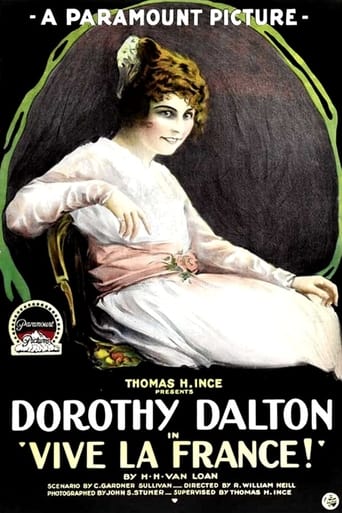
- Appeared in the wartime-themed silent film Vive la France! (1918)
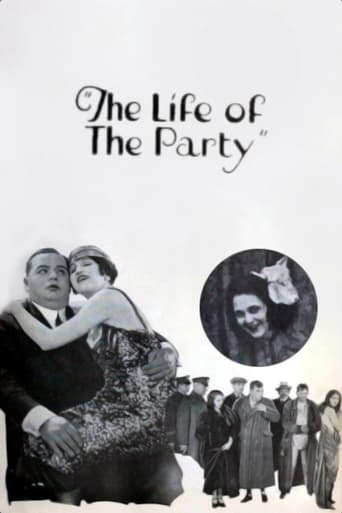
- Appeared in the comedy The Life of the Party (1920)
- Worked during the formative years of American silent cinema, when many film careers were documented only sparsely in trade papers and studio records
Roles
- Roles in Vive la France! (1918)
- Roles in The Life of the Party (1920)
Films
- Vive la France! (1918)
- The Life of the Party (1920)
Notes
- Fred Starr is documented mainly through a very small number of silent-film credits, making him a challenging figure to research.
- His known film activity falls within a brief two-year span, 1918 to 1920, during a transitional moment in American cinema.
- He appeared in Vive la France!, a title that reflects the World War I atmosphere of the period.
- The Life of the Party was released just before the silent era's peak years, placing Starr among early 1920s screen performers.
- No widely accessible source has firmly established his birth date, death date, or family background.
- He appears to have been a working character or supporting performer rather than a major star, which may explain the scarcity of surviving publicity material.
- His surviving record is useful to historians because many silent-era performers have incomplete documentation.
- Because no robust modern biographical profile exists, some details about his career may remain hidden in archival studio or newspaper records.
Questions
Who was Fred Starr?
Fred Starr was a silent-era actor whose surviving film record places him in American cinema between 1918 and 1920. He is primarily known today from his credited appearances in Vive la France! and The Life of the Party.
What films is Fred Starr best known for?
He is best known for Vive la France! (1918) and The Life of the Party (1920). These are the main surviving credits commonly associated with his screen career.
When was Fred Starr born and when did he die?
His birth and death dates are not reliably documented in widely available sources. The surviving record of his career is very limited, so his exact life dates remain unknown.
What awards did Fred Starr win?
No awards or nominations are documented in accessible sources. As with many minor silent-era performers, his career appears to have been recorded more through film credits than formal honors.
What was Fred Starr's acting style?
No detailed critical descriptions of his acting style have survived in commonly available references. As a silent-film performer, his work would have depended on visual expression, physical gesture, and clear screen presence.
What is Fred Starr's legacy in film history?
His legacy lies in his contribution to the silent-film workforce and the surviving historical record of early American cinema. Even though he was not a major star, his credits help document the many actors who helped build the industry in its formative years.