Films
6 films
About Bert Sprotte
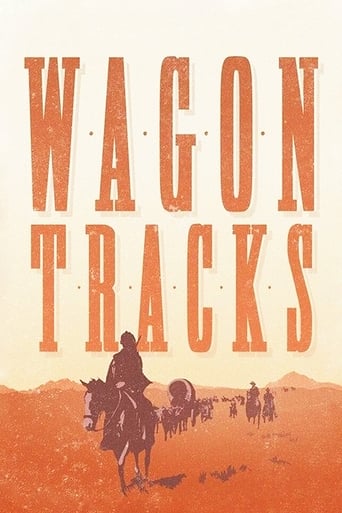
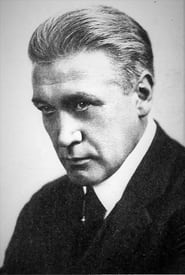
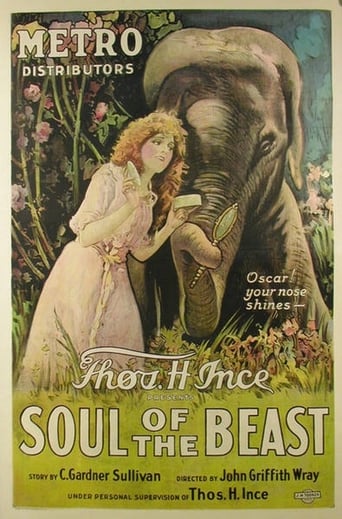
Silent film actor who worked during the early 1920s, appearing primarily in supporting roles in Westerns and adventure films. His career was brief but spanned the transitional period when cinema was establishing itself as a major entertainment medium. Sprotte appeared in the 1919 Western 'Wagon Tracks,' which was one of his earlier documented film appearances, showcasing his ability to contribute to the burgeoning Western genre that would become a Hollywood staple. By 1923, he was still active in the industry, appearing in 'Soul of the Beast,' demonstrating his continued employment during the competitive silent era when many actors struggled to maintain steady work. Like many character actors of his time, Sprotte specialized in portraying specific types that directors needed for their productions, though the exact nature of his roles has been largely lost to film history. His career appears to have ended by the mid-1920s, as was common for many supporting actors who either retired, transitioned to other work, or were unable to make the jump to sound films.
The Craft
Milestones
- Appeared in 'Wagon Tracks' (1919)
- Featured in 'Soul of the Beast' (1923)
- Worked during the golden age of silent Westerns
Best Known For
Must-See Films
Why They Matter
Impact on Culture
Bert Sprotte represents the thousands of working actors who formed the backbone of Hollywood's silent era production system. While not a star whose name would have appeared on marquees, actors like Sprotte were essential to the film industry's rapid growth during the 1910s and 1920s. Their contributions, though largely unrecorded in detail, helped establish the patterns of film production and the supporting character types that would become staples of American cinema. The existence of actors like Sprotte demonstrates the scale of Hollywood's labor force during the silent era, when hundreds of actors were needed to populate the increasingly complex narratives being produced.
Lasting Legacy
Bert Sprotte's legacy is that of a typical working actor from Hollywood's formative years, representing the vast majority of performers who contributed to early cinema without achieving lasting fame. While his individual performances have been largely lost to history, his work in films like 'Wagon Tracks' and 'Soul of the Beast' contributes to our understanding of the scale and scope of silent era film production. His career serves as a reminder that classic Hollywood was built not just by stars, but by countless dedicated actors who filled the supporting roles that made films complete.
Who They Inspired
As a supporting actor during the silent era, Bert Sprotte's direct influence on subsequent generations of performers is difficult to trace. However, actors like him helped establish the conventions of supporting performance in American cinema, particularly in genres like the Western. Their work created templates for character types and performance styles that would be refined and built upon by future generations of character actors in Hollywood.
Off Screen
Very little is documented about Bert Sprotte's personal life, which was common for many supporting actors of the silent era who did not achieve star status. Like many actors of his generation, his life story was not preserved in the same way as leading actors and directors of the period.
Did You Know?
- Bert Sprotte's active years covered only about four years during the early 1920s
- He worked during the peak years of silent film production before the industry transition to sound
- Like many actors of his era, he likely appeared in more films than are currently documented
- The films he appeared in were typical of the popular genres of the period: Westerns and adventure stories
- Most supporting actors from the silent era have incomplete filmographies due to lost films and poor record-keeping
- His career ended before the major transition to sound films in 1927-1928
- Actors with similar career trajectories often worked for multiple studios as freelance contract players
Frequently Asked Questions
Who was Bert Sprotte?
Silent film with credits in this catalog. His career was brief, spanning approximately from 1919 to 1923, and he is documented as having appeared in films like 'Wagon Tracks' (1919) and 'Soul of the Beast' (1923).
What films is Bert Sprotte best known for?
Titles linked here include Wagon Tracks (1919), Soul of the Beast (1923).
When was Bert Sprotte born and when did he die?
Unfortunately, specific birth and death dates for Bert Sprotte are not readily available in historical records, which is common for many supporting actors from the silent era who did not achieve star status. His documented film career spans from 1919 to 1923.
What awards did Bert Sprotte win?
There are no documented awards or honors for Bert Sprotte, which was typical for most supporting actors during the silent era. The major award systems we know today, such as the Academy Awards, were not established until the late 1920s, after his known career had ended.
What was Bert Sprotte's acting style?
Specific details about Bert Sprotte's acting style are not documented in available historical records. As a supporting actor during the silent era, he would have employed the typical performance techniques of the period, which emphasized expressive physical acting and pantomime to convey emotion and character without dialogue.