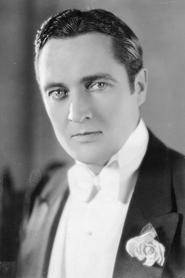
Edmund Lowe
Actor
Born: March 3, 1890 in San Jose, California, USA Died: April 21, 1971 Active: 1919-1960 Birth Name: Edmund Dantes Lowe
Films
6 films

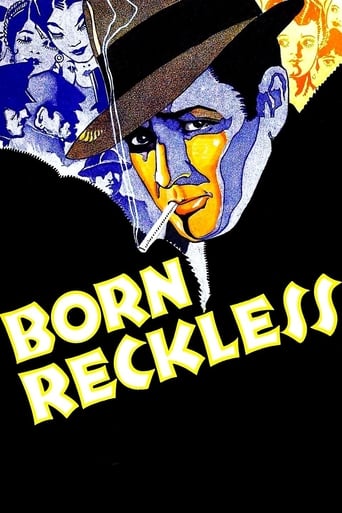
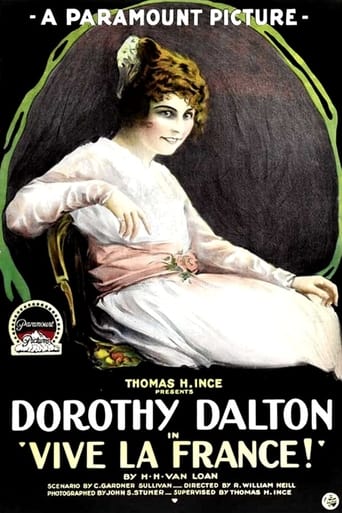
About Edmund Lowe
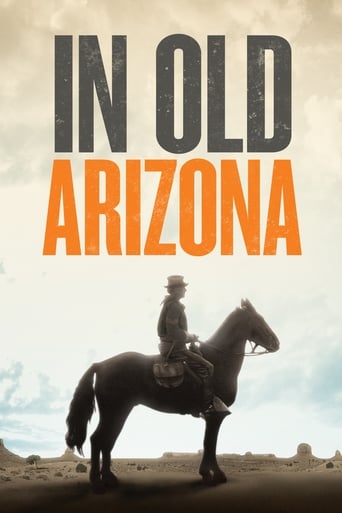
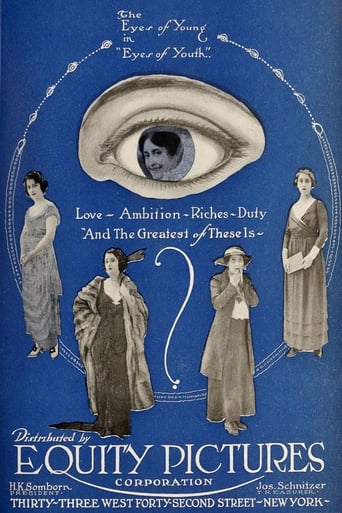
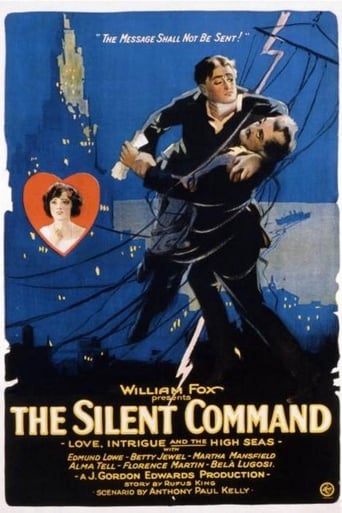
Edmund Dantes Lowe — American actor whose remarkable over four decades, beginning in the silent era and continuing successfully into the sound period. Born in San Jose, California, he served in World War I before pursuing his acting career, which launched with his debut in 'Eyes of Youth' (1919). Lowe rose to prominence with his charismatic performance in the World War I drama 'What Price Glory' (1926) alongside Victor McLaglen, establishing him as a leading man capable of handling both dramatic and comedic roles with equal skill. His transition to sound films was seamless, thanks to his distinctive deep voice and sophisticated screen presence, which he showcased effectively in early talkies like 'In Old Arizona' (1928), one of the first sound westerns. Throughout the 1930s and 1940s, Lowe appeared in over 100 films, evolving from romantic leads to respected character actor roles, demonstrating remarkable versatility across genres from adventure films to romantic comedies. His personal life was equally notable, including high-profile marriages to actresses Esther Ralston and Lilyan Tashman, cementing his status as a Hollywood fixture during the golden age of cinema.
The Craft
On Screen
Sophisticated and charismatic with a deep, resonant voice; excelled in both dramatic and comedic roles; known for his suave demeanor and ability to portray complex characters with depth and nuance; possessed a natural charm that translated effectively from silent to sound films
Milestones
- Breakthrough role in 'What Price Glory' (1926)
- Successful transition from silent to sound films
- Starred in early sound western 'In Old Arizona' (1928)
- Over 100 film appearances throughout career
- Hollywood Walk of Fame star recipient
- Popular leading man during the late 1920s and 1930s
Best Known For
Iconic Roles
Must-See Films
Accolades
Special Recognition
- Hollywood Walk of Fame star at 1725 Vine Street
Working Relationships
Worked Often With
Studios
Why They Matter
Impact on Culture
Significant figure in the transition from silent films to sound cinema, representing the type of sophisticated leading man who successfully adapted to the new medium. His performances in early sound films helped establish the template for talking pictures, particularly in genres like westerns and war dramas. His work in 'What Price Glory' created a template for the buddy comedy genre that would influence countless films that followed, demonstrating how two male leads could carry a film through their chemistry and contrasting personalities. Lowe's ability to maintain his stardom through the seismic shift from silent to sound cinema made him a model for other actors facing the same challenge, proving that talent and versatility could overcome technological changes in the industry.
Lasting Legacy
Edmund Lowe's legacy lies in his remarkable longevity and adaptability during one of cinema's most transformative periods. As one of the few silent era stars who successfully transitioned to sound films, he demonstrated the importance of vocal talent and screen presence in the new era of cinema. His extensive filmography provides a valuable record of early Hollywood filmmaking techniques and storytelling approaches, while his evolution from romantic lead to character actor mirrors the broader development of American cinema itself. Lowe's career serves as a bridge between the silent era's theatrical acting style and the more naturalistic approach that would come to define Hollywood's golden age, making him an important figure in film history for understanding this crucial transition period.
Who They Inspired
Lowe influenced subsequent generations of actors through his demonstration of how to successfully transition between film eras without losing one's artistic identity. His sophisticated acting style and ability to handle both dramatic and comedic material set a standard for character actors in Hollywood's golden age. His work in early sound westerns helped establish conventions for the genre that would be followed for decades, while his performances in military-themed films influenced how soldiers were portrayed on screen. The chemistry he developed with co-star Victor McLaglen in 'What Price Glory' created a template for male buddy relationships in cinema that would be emulated in countless films throughout the 20th century.
Off Screen
Edmund Lowe was married three times throughout his life, reflecting both his personal journey and his connections within Hollywood's elite circles. His first marriage was to actress Esther Ralston from 1925 to 1929, during the height of his early fame. His second marriage to actress Lilyan Tashman in 1929 was particularly notable, as they became one of Hollywood's most glamorous couples until her tragic death from cancer in 1934. Lowe's third and final marriage was to costume designer Rita Kaufman in 1936, which lasted until his death in 1971. Before his acting career, Lowe served in the United States Army during World War I, an experience that later informed his performances in military-themed films.
Education
Attended Santa Clara College before serving in World War I
Family
- Esther Ralston (1925-1929)
- Lilyan Tashman (1929-1934)
- Rita Kaufman (1936-1971)
Did You Know?
- Served in the United States Army during World War I before his acting career
- His real name was Edmund Dantes Lowe, possibly inspired by the literary character Edmond Dantès
- Was one of the first actors to successfully transition from silent to sound films
- His film 'What Price Glory' was
- Married actress Lilyan Tashman until her untimely death from cancer at age 37
- Made over 100 film appearances throughout his career spanning four decades
- His star on the Hollywood Walk of Fame is located at 1725 Vine Street
- Was known for his distinctive deep voice which helped him immensely in sound films
- Appeared in both silent and sound versions of some of his films during the transition period
- Was considered one of Hollywood's most eligible bachelors during the 1920s
- His performance in 'In Old Arizona' (1928) was one of the first all-talking western films
- Often played sophisticated, worldly characters in his later career as a character actor
In Their Own Words
Acting is not about being someone different. It's finding the similarity in what is apparently different, then finding myself in there.
The transition from silent to sound wasn't as difficult for some of us as people think - if you had a good voice and could really act, you just kept working.
In pictures, you have to be bigger than life. The camera doesn't pick up subtlety the way the stage does.
Frequently Asked Questions
Who was Edmund Lowe?
American with credits in this catalog. He appeared in over 100 films and was particularly famous for his roles in 'What Price Glory' and 'In Old Arizona'.
What films is Edmund Lowe best known for?
Titles linked here include What Price Glory (1926), In Old Arizona (1928).
When was Edmund Lowe born and when did he die?
Born March 3, 1890; died April 21, 1971.
What awards did Edmund Lowe win?
While Edmund Lowe did not receive major acting awards like Academy Awards, he was honored with a star on the Hollywood Walk of Fame at 1725 Vine Street for his significant contributions to the film industry.
What was Edmund Lowe's acting style?
Edmund Lowe was known for his sophisticated and charismatic acting style with a deep, resonant voice. He excelled in both dramatic and comedic roles with particular skill in portraying suave, complex characters, and his natural charm translated effectively from silent to sound films.
How did Edmund Lowe transition from silent to sound films?
Edmund Lowe successfully transitioned to sound films due to his distinctive deep voice and strong acting abilities, appearing in early sound successes like 'In Old Arizona' (1928). His adaptability made him one of the few silent stars to maintain his career through the technological transition.