


The Silent Command
"A distinguished young Naval officer from a celebrated military"
Keys: Space play/pause · ←/→ 10s · F fullscreen · M mute · </> speed
About this film
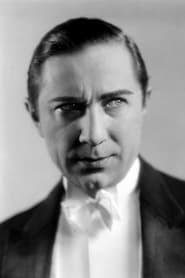
A distinguished young Naval officer from a celebrated military falls prey to a terrorist and his seductress accomplice bent on destroying the Panama Canal. Gordon Edwards featuring Bela Lugosi as a foreign saboteur in his American film debut. Shot in New York, The Silent Command began Lugosi's career in the American film industry. The film's focus on his eyes, at times in extreme close-up, helped to establish his image for later roles.
Cast & crew
More films like this

More Drama films
View all →







More from J. Gordon Edwards
View all →
More about this film
About the production
Release dateOctober 7, 1923
ProductionFox Film Corporation
Filmed inNew York City, New York, Fox Studios, Fort Lee, New Jersey
The Silent Command was produced during the peak of the silent era when Fox Film Corporation was expanding its production capabilities. The film featured elaborate sets designed to replicate the Panama Canal, which was considered a major engineering marvel of the time. Director J. Gordon Edwards, known for his grand visual style, utilized the full resources of Fox's studio facilities to create convincing military and naval sequences. The production coincided with growing American interest in military preparedness and national security following World War I.
Themes
Themes & topics
Historical background
Silent-era production in 1923 relied on intertitles, live accompaniment, and studio systems that were rapidly consolidating into national industries. Archival sources describe The Silent Command as 1923 film directed by j. gordon edwards. Contemporary context can be traced through sources such as the Wikipedia article on The Silent Command.
Why this film matters
The Silent Command remains part of the screen heritage of its era, offering evidence of prevailing genres, production methods, and audience tastes. Later revivals, archive screenings, and digitization have kept such titles accessible to researchers and dedicated viewers long after their first commercial runs.
Making of
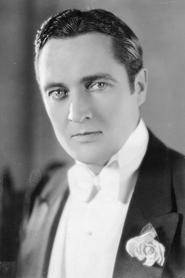
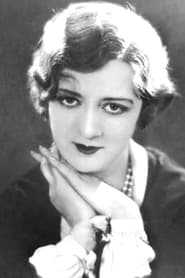
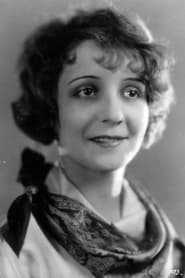
The production of The Silent Command took place during a transitional period in Hollywood, as studios were beginning to establish more sophisticated production methods. Director J. Gordon Edwards, a veteran of the silent era, brought his signature grand visual style to the film, utilizing the expansive Fox studio facilities in Fort Lee, New Jersey. The cast included Edmund Lowe, who was building his reputation as a leading man, and Alma Tell, a prominent actress of the period. Tragically, Martha Mansfield, who played the seductress accomplice, would die later in 1923 after her costume caught fire during the filming of another production, making The Silent Command one of her final completed works. The film's military sequences benefited from the cooperation of the U.S. Navy, which provided authentic uniforms and technical advisors to ensure accuracy in depicting Naval life and procedures.
What critics said
Later reference works note acclaim for The Silent Command, though detailed contemporary review files may be incomplete. Modern assessment tends to emphasize historical value, craft, and cultural context rather than box-office performance.
Did you know?
- This was one of the final films directed by J. Gordon Edwards, who died later that same year in 1923
- The film capitalized on post-WWI American patriotism and fears of foreign sabotage
- Martha Mansfield, one of the stars, tragically died in 1923 from burns sustained on a film set, making this one of her final appearances
- The Panama Canal, completed just 9 years earlier in 1914, was still considered a symbol of American engineering prowess when this film was made
- Edmund Lowe, who played the Naval officer, would later become a major star in talking pictures, particularly in war films
- The film's title refers to the covert nature of the terrorist plot and the silent service of Naval intelligence
- Fox Film Corporation invested heavily in military-themed films during the early 1920s to appeal to veteran audiences
- The film featured actual Navy uniforms and equipment, lending authenticity to the production
- This was one of the first films to deal specifically with the strategic importance of the Panama Canal in American defense
- The terrorist plot in the film reflected real concerns about foreign agents targeting American infrastructure in the post-war period
Visual style
The cinematography of The Silent Command, typical of Fox Film Corporation productions of the era, employed sophisticated visual techniques to convey the film's dramatic narrative. The cinematographer utilized dramatic lighting to create atmosphere in scenes of espionage and confrontation, while maintaining clarity in the military sequences. The film featured carefully composed shots that emphasized the grandeur of military settings and the intimacy of personal moments. Visual storytelling was enhanced through the use of location-style photography that suggested the exotic setting of the Panama Canal, even though much of the filming occurred on studio sets. The camera work supported the suspense elements of the narrative through strategic use of close-ups to capture emotional reactions and wider shots to establish the scale of the military operation.
Innovations
The Silent Command demonstrated several technical achievements typical of high-quality silent film production in 1923. The film featured elaborate set construction designed to replicate the Panama Canal and military installations, showcasing the advanced capabilities of Fox's studio facilities. The production utilized sophisticated camera techniques for the period, including dynamic camera movement to enhance action sequences. The film's special effects, particularly those suggesting the threat to the canal, employed the best available technology of the era. The costume design and military uniforms were noted for their authenticity, reflecting the growing attention to historical and technical accuracy in film production. The film's editing techniques effectively built suspense and maintained narrative momentum without the benefit of dialogue, demonstrating the sophisticated understanding of film language that had developed by the early 1920s.
Music
As a silent film, The Silent Command would have been accompanied by live musical performance during its original theatrical run. The typical presentation would have included a theater organist or small orchestra performing music synchronized to the on-screen action. The score would have likely included patriotic themes, suspenseful motifs for the espionage sequences, romantic music for the love story elements, and dramatic military marches for the Naval scenes. The specific musical compositions used would have varied by theater, as accompanists often selected or arranged music based on their personal repertoire and the size of their ensemble. No original score or cue sheets for this film appear to have survived, which was common for many silent productions of the period.
Famous quotes
No dialogue available - silent film
Memorable scenes
- The climactic confrontation aboard the Naval vessel where the officer must choose between the seductress and his duty
- The sequence revealing the terrorists' elaborate plan to destroy the Panama Canal
- The opening military ceremony establishing the protagonist's distinguished heritage
- The tense interrogation scenes where the officer resists the seductress's attempts to extract information
What audiences thought
The Silent Command was well-received by contemporary audiences in 1923, particularly appealing to veterans and those with strong patriotic sentiments. The film's themes of military honor, national defense, and the triumph of duty over temptation resonated strongly with post-WWI American audiences. The combination of espionage, romance, and military action provided entertainment value while reinforcing patriotic values. The Panama Canal setting added an element of exoticism and contemporary relevance that attracted viewers interested in modern American achievements. Audience feedback of the period indicated satisfaction with the film's suspenseful plot and the moral clarity of its conclusion, where American values and military preparedness ultimately prevail against foreign threats.
Film connections
Influenced by
- World War I espionage literature
- Contemporary newspaper stories about foreign agents
- Earlier military-themed silent films
- Popular spy novels of the 1910s and 1920s
This film influenced
- Later espionage thrillers of the 1930s
- Military propaganda films of World War II
- Cold War spy films
- Modern terrorist thrillers
Film restoration
The Silent Command is considered a partially lost film. While some fragments and sequences survive in film archives, including portions held by the Museum of Modern Art and the Library of Congress, no complete print is known to exist. The surviving elements provide insight into the film's visual style and narrative structure, but much of the original footage has been lost to time. This status is unfortunately common for films from the early 1920s, particularly those from studios whose archives were not fully preserved during the transition to sound and the subsequent decades. The surviving fragments have been preserved on safety film and are occasionally screened at silent film festivals and archival presentations.
Where to watch
- Museum of Modern Art (MoMA) Film Archive - occasional screenings
- Library of Congress - research viewing by appointment
- Silent film festivals - when programmed
- Film archives and special collections - research access
- No commercial home video or streaming availability due to incomplete survival status