
Martin Faust
Actor
Born: January 16, 1886 in Poughkeepsie, New York, USA Died: August 10, 1943 Active: 1923-1943
Films
1 film
About Martin Faust
American character actor who worked prolifically during the silent film era and successfully transitioned into early sound films. Born in Poughkeepsie, New York, he began his film career in the early 1920s and appeared in over 150 films between 1923 and 1943. Faust specialized in playing authority figures, villains, and stern character roles, utilizing his imposing presence and serious demeanor to create memorable supporting performances. He worked with many prominent directors of the era including John Ford, Frank Capra, and Cecil B. DeMille, often appearing without on-screen billing in major productions. His the crucial transition period from silent films to talkies, demonstrating his adaptability as a performer. Faust continued working steadily until his death in 1943, leaving behind a substantial body of work that represents the quintessential character actor of early Hollywood's golden age.
The Craft
On Screen
Martin Faust was known for his stern, authoritative presence and intense facial expressions, which made him ideal for playing judges, police officers, military officials, and villains. His acting style was typical of the silent era, emphasizing exaggerated gestures and dramatic facial expressions to convey emotion without dialogue. As sound films emerged, he adapted his style to a more naturalistic approach while maintaining his characteristic gravitas and seriousness. He had a talent for conveying authority and menace through minimal dialogue, relying on his imposing physical presence and commanding voice.
Milestones
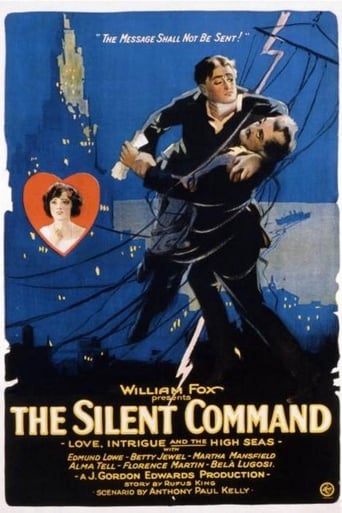
- Film debut in The Silent Command (1923)
- Transition from silent to sound films
- Over 150 film appearances in 20-year career
- Work with major directors like John Ford and Frank Capra
- Frequent casting as authority figures and villains
Best Known For
Iconic Roles
Must-See Films
Working Relationships
Worked Often With
Studios
Why They Matter
Impact on Culture
Martin Faust represents the essential but often overlooked character actors who formed the backbone of Hollywood's studio system. While never a star, his consistent presence in hundreds of films helped create the authentic worlds that made classic cinema believable. His ability to portray authority and menace contributed to the dramatic tension in countless films, supporting the leading actors and enhancing the overall narrative. Faust's career exemplifies the journey of many working actors of his era who adapted to the massive technological and artistic changes from silent films to sound, demonstrating the versatility required to survive in Hollywood's evolving landscape.
Lasting Legacy
Martin Faust's legacy lies in his substantial body of work that serves as a time capsule of early Hollywood filmmaking. His filmography provides a roadmap through the major studios and productions of the 1920s, 30s, and early 40s, appearing in everything from B-movies to Academy Award-winning classics. As a representative of the working character actor, he exemplifies the thousands of performers who were essential to the studio system but rarely received recognition. Today, film historians and classic cinema enthusiasts recognize him as part of the essential fabric that made Hollywood's golden age possible, his face familiar to anyone who studies the films of that era closely.
Who They Inspired
While Martin Faust was not known for mentoring other actors directly, his professional example of reliability and adaptability during the transition from silent to sound films served as a model for other character actors navigating the same challenges. His consistent work across multiple genres and with various directors demonstrated the value of versatility for supporting actors in Hollywood's studio system. Contemporary character actors who study classic film performances can learn from his ability to create memorable impressions with limited screen time and his skill in conveying authority and menace through subtle means.
Off Screen
Martin Faust was married to actress Claire Du Brey, with whom he often appeared in films together. The couple remained married until his death in 1943. Beyond his acting career, little is publicly known about his personal interests or activities outside of Hollywood. He was known among his colleagues as a reliable and professional actor who was consistently prepared for his roles, regardless of their size.
Family
- Claire Du Brey (1925-1943)
Did You Know?
- Appeared in over 150 films in just 20 years
- Often went uncredited despite significant roles
- Was married to fellow character actress Claire Du Brey
- Worked with virtually every major studio during his career
- Appeared in multiple Best Picture Oscar winners including 'You Can't Take It With You' and 'Gone with the Wind'
- His stern appearance made him a typecast villain and authority figure
- Successfully transitioned from silent films to talkies unlike many of his contemporaries
- Died of a heart attack at age 57 while still actively working in films
- His filmography includes some of the most celebrated films in Hollywood history
- Often played multiple roles in the same film when needed by the studio
Frequently Asked Questions
Who was Martin Faust?
Screen credits include over 150 films during the silent era and early sound period, primarily known for playing authority figures and villains in classic Hollywood productions.
What films is Martin Faust best known for?
Titles linked here include The Silent Command (1923), Stagecoach (1939).
When was Martin Faust born and when did he die?
Born January 16, 1886; died August 10, 1943.
What awards did Martin Faust win?
Martin Faust did not receive any major awards or nominations during his career, which was typical for character actors of his era who often worked uncredited despite their significant contributions to films.
What was Martin Faust's acting style?
Faust specialized in portraying stern authority figures and villains, using his imposing presence and serious demeanor to create memorable supporting roles. He successfully adapted his style from the exaggerated expressions of silent films to more naturalistic performances in talkies.
Was Martin Faust related to anyone famous in Hollywood?
Martin Faust was married to actress Claire Du Brey, another prolific character actor of the era. The couple often appeared together in films and remained married until Faust's death in 1943.