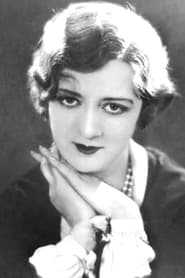
Alma Tell
Actor
Born: March 27, 1898 in New York City, New York, USA Died: December 6, 1937 Active: 1915-1925 Birth Name: Alma Henrietta Tell
Films
1 film
About Alma Tell
American actress who graced the silver screen during the silent film era of the early 1920s. Born into a family that would produce another notable actress in her sister Olive Tell, Alma began her film career in the mid-1910s and found steady work throughout the decade. Her most productive period came in the early 1920s when she appeared in numerous productions for major studios including Paramount and Fox. Tell specialized in supporting roles, often portraying sophisticated women, romantic interests, or the proverbial 'other woman' in dramatic narratives. Her career coincided with the transition from short films to feature-length productions, and she adapted well to the evolving medium. Despite her talent and screen presence, like many silent era actors, her career waned with the advent of sound films in the late 1920s. She retired from acting in the mid-1920s, marrying fellow actor William B. Davidson and living a relatively quiet life until her untimely death at age 39.
The Craft
On Screen
Alma Tell embodied the classic silent film acting style characterized by expressive facial expressions and dramatic gestures to convey emotion without dialogue. Her performances were marked by a natural grace and sophistication that made her particularly well-suited for roles as elegant society women or romantic interests. Tell had a commanding screen presence that allowed her to stand out even in supporting roles, using subtle movements and intense gazes to communicate complex emotions. Her technique reflected the theatrical influences common in early cinema, while also showing an understanding of the more intimate acting style that film required.
Milestones
- Film debut in the mid-1910s during the early silent era
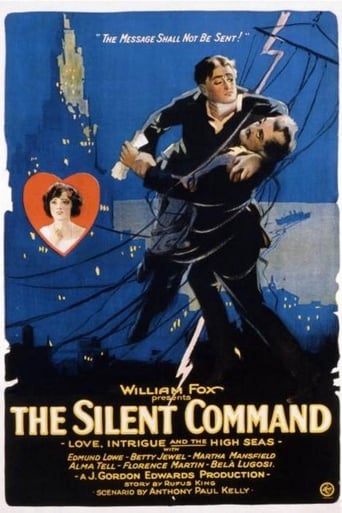
- Starred in 'The Silent Command' (1923)
- Worked with major studios including Paramount and Fox
- Appeared in approximately 15-20 films during her decade-long career
- Married fellow actor William B. Davidson in 1925
Best Known For
Iconic Roles
Must-See Films
Working Relationships
Worked Often With
Studios
Why They Matter
Impact on Culture
Alma Tell's contribution to cinema represents the essential but often overlooked work of supporting actors during the silent film era. As part of the ensemble casts that populated early Hollywood productions, she helped establish the visual language of film acting that would influence future generations. Her career trajectory—from the early days of silent shorts through the feature film boom and ending before the sound revolution—exemplifies the challenges faced by many actors of her generation. While she never achieved stardom, her consistent work throughout the 1920s contributed to the American silent cinema.
Lasting Legacy
Alma Tell's legacy exists primarily through the surviving films of the silent era that feature her performances. As the sister of more famous actress Olive Tell, she represents the family connections that were common in early Hollywood. Her career serves as a case study in the typical trajectory of supporting actors during the silent era—steady work during the boom years, followed by career challenges with the advent of sound. Today, film historians and silent cinema enthusiasts recognize her as part of the essential fabric that made up the Golden Age of silent film, contributing to the art form even without achieving lasting fame.
Who They Inspired
While Alma Tell did not achieve the level of fame that would have made her a direct influence on subsequent generations of actors, her work exemplified the professional standards and techniques of silent film acting. Her performances, preserved in the films that survive, continue to serve as examples for actors and students studying silent cinema techniques. The naturalness she brought to her roles, despite the exaggerated acting style required by the medium, showed an early understanding of film acting that would become more prevalent in later years.
Off Screen
Alma Tell came from a family with connections to the entertainment industry, with her sister Olive Tell also becoming a successful actress. She married fellow actor William B. Davidson in 1925, which coincided with the winding down of her film career. The couple remained married until Alma's death twelve years later. Tell lived during the transformative period of Hollywood's transition from silent films to talkies, a change that affected many careers of her generation. Her life was cut short when she died from a heart attack at the relatively young age of 39 in Hollywood, where she had made her career.
Education
Limited information available about her formal education, though she likely received training appropriate for young women of her social class in early 20th century New York.
Family
- William B. Davidson (1925-1937)
Did You Know?
- She was the sister of actress Olive Tell, who had a more prominent film career
- Her most active year in film was 1923, when she appeared in multiple productions
- She married actor William B. Davidson, who appeared in over 300 films during his career
- Her active years covered the crucial transition period from short films to feature-length productions
- Like many silent era actors, she did not successfully transition to sound films
- She died relatively young at age 39 from a heart attack
- Her filmography consists entirely of silent films
- She often played sophisticated, urban characters typical of the Jazz Age
- No known interviews or personal writings from Alma Tell survive
- Her exact filmography is difficult to completely document due to lost films from the silent era
In Their Own Words
No documented quotes from Alma Tell survive in historical records, which was common for supporting actors of the silent era who rarely gave interviews or were extensively quoted in contemporary publications.
Frequently Asked Questions
Who was Alma Tell?
American actress who worked during the silent film era of the 1910s and 1920s, appearing in approximately 15-20 films before retiring from acting in the mid-1920s. She was the sister of actress Olive Tell and married actor William B. Davidson.
What films is Alma Tell best known for?
Titles linked here include The Silent Command (1923), The Other Woman's Story (1925).
When was Alma Tell born and when did she die?
Born March 27, 1898; died December 6, 1937.
What awards did Alma Tell win?
There are no documented awards or nominations for Alma Tell, which was common for supporting actors during the silent film era when formal award systems were not yet established for the film industry.
What was Alma Tell's acting style?
Alma Tell employed the classic silent film acting style with expressive facial expressions and dramatic gestures, characterized by natural grace and sophistication. She specialized in playing elegant society women and romantic interests, using the visual techniques necessary for conveying emotion without dialogue.
Why did Alma Tell's career end?
Alma Tell's career ended in the mid-1920s, likely due to the challenges many silent film actors faced with the transition to sound films. She married fellow actor William B. Davidson in 1925, which coincided with her retirement from acting.
How is Alma Tell related to Olive Tell?
Alma Tell and Olive Tell were sisters, both working as actresses during the silent film era. Olive Tell had a more prominent and longer-lasting career than her sister Alma.
What was Alma Tell's personal life like?
Alma Tell married actor William B. Davidson in 1925 and remained married until her death in 1937. She came from a family with entertainment connections and lived primarily in New York before moving to Hollywood for her film career.