
Carl Harbaugh
Actor
Born: November 13, 1886 in Philadelphia, Pennsylvania, USA Died: November 24, 1960 Active: 1915-1932
Films
3 films
About Carl Harbaugh
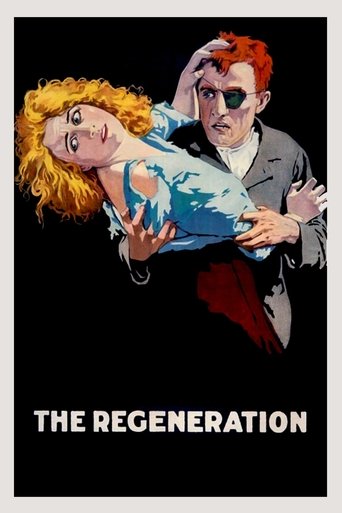
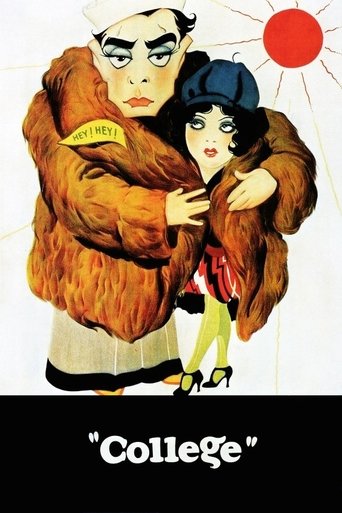
American character actor who enjoyed a prolific career during the silent film era, appearing in over 100 films between 1915 and the early 1930s. Born in Philadelphia, Pennsylvania, Harbaugh began his film career in 1915 with a role in Raoul Walsh's gangster film 'The Regeneration,' which established him as a reliable supporting actor in the emerging Hollywood studio system. Throughout the 1920s, he became a familiar face in both dramatic and comedic productions, working with major stars of the era including Buster Keaton, Tom Mix, and Douglas Fairbanks. Harbaugh was particularly adept at portraying authority figures, villains, and comic relief characters, bringing a distinctive presence to every role he undertook. His performance in Buster Keaton's classic comedy 'College' (1927) showcased his versatility as a comedic foil to the great silent comedian. As the transition to sound films began, Harbaugh continued working, though his roles became smaller and less frequent as the studio system evolved. He eventually retired from acting in the early 1930s, leaving behind a substantial body of work that exemplifies the character acting style of the silent era.
The Craft
On Screen
Harbaugh was known for his versatile character acting abilities, capable of playing both dramatic and comedic roles with equal effectiveness. He had a commanding screen presence that made him particularly suitable for authority figures, villains, and stern paternal roles. In comedies, he demonstrated excellent timing and the ability to serve as an effective straight man or comedic foil. His acting style was typical of the silent era, emphasizing expressive facial gestures and body language to convey emotion and character traits to audiences without dialogue.
Milestones
- Debut in 'The Regeneration' (1915) directed by Raoul Walsh
- Appeared in over 100 silent films
- Worked with Buster Keaton in 'College' (1927)
- Transitioned successfully to early sound films
- Became a reliable character actor for major studios of the era
Best Known For
Iconic Roles
Must-See Films
Working Relationships
Worked Often With
Studios
Why They Matter
Impact on Culture
Carl Harbaugh's contributions to silent cinema exemplify the importance of character actors in creating the early Hollywood films. While never a leading man, his consistent performances across numerous genres helped establish the visual language of silent film acting. His work in groundbreaking films like 'The Regeneration' contributed to the development of gangster film tropes that would become central to American cinema. As a supporting actor in Buster Keaton's comedies, he helped create some of the most enduring comic sequences of the silent era, demonstrating how skilled character actors enhance the work of comedic stars.
Lasting Legacy
Carl Harbaugh's legacy lies in his extensive filmography that serves as a valuable record of silent era filmmaking techniques and storytelling approaches. His performances, preserved in over 100 films, provide modern film scholars and enthusiasts with examples of the character acting craft during cinema's formative years. While his name may not be as recognizable as the stars he supported, his work represents the essential foundation upon which Hollywood's golden age was built. His ability to transition from dramatic roles to comedy and back again showcased the versatility required of actors during this period.
Who They Inspired
Harbaugh influenced subsequent generations of character actors through his demonstration of how supporting roles could significantly impact a film's overall quality and audience reception. His work in establishing character archetypes in westerns and gangster films provided templates that would be refined and expanded upon by later actors. His collaborations with major directors like Raoul Walsh and John Ford helped shape the visual style of American cinema during its crucial developmental years.
Off Screen
Carl Harbaugh maintained a relatively private personal life throughout his career in Hollywood. He was married to actress and fellow silent film performer Grace Cunard, with whom he occasionally appeared in films. The couple's marriage lasted through the transition from silent films to talkies, a period when many Hollywood relationships dissolved under the pressures of the changing industry. After retiring from acting, Harbaugh lived a quiet life away from the public eye, remaining in California until his death in 1960 at the age of 74.
Education
Limited information available about his formal education, typical of many actors of his era who often entered the film industry through various informal routes rather than traditional academic training.
Family
- Grace Cunard (1920-1960)
Did You Know?
- Appeared in Raoul Walsh's directorial debut 'The Regeneration' (1915)
- Worked with his wife Grace Cunard in several films
- Was one of the few character actors to successfully transition from silent films to early talkies
- Often played authority figures due to his commanding presence
- Appeared in Cecil B. DeMille's epic 'The Ten Commandments' (1923)
- Worked with virtually every major star of the silent era at some point in his career
- His filmography spans multiple genres including westerns, comedies, dramas, and action films
- Was part of John Ford's early stock company of actors
- Appeared in both versions of 'The Ten Commandments' (1923 and 1956) as an extra in his later years
- Retired from acting just as the studio system was reaching its peak in the 1930s
Frequently Asked Questions
Who was Carl Harbaugh?
American character with credits in this catalog. He was known for his versatility in playing authority figures, villains, and comedic supporting roles alongside major stars of the period.
What films is Carl Harbaugh best known for?
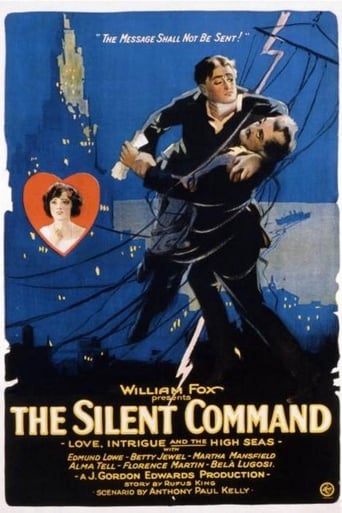
Titles linked here include The Regeneration (1915), The Silent Command (1923).
When was Carl Harbaugh born and when did he die?
Born November 13, 1886; died November 24, 1960.
What awards did Carl Harbaugh win?
Carl Harbaugh did not receive any major awards or nominations during his career, which was typical for character actors of the silent era who often worked without formal recognition despite their significant contributions to films.
What was Carl Harbaugh's acting style?
Harbaugh was known for his commanding screen presence and versatility, excelling at both dramatic and comedic roles. His acting style emphasized expressive facial gestures and body language typical of silent film performers, making him particularly effective as authority figures and villains.