
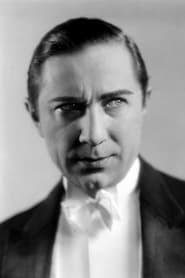
Bela Lugosi
Actor
Born: October 20, 1882 in Lugos, Kingdom of Hungary (now Lugoj, Romania) Died: August 16, 1956 Active: 1917-1956 Birth Name: Béla Ferenc Dezső Blaskó
Films
11 films
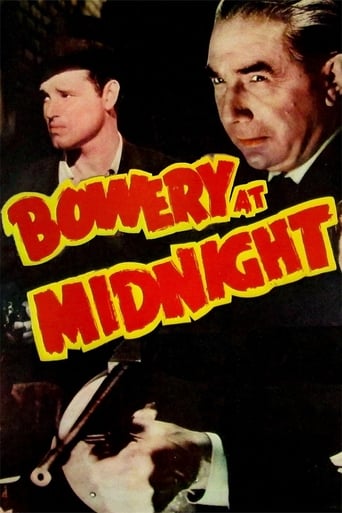

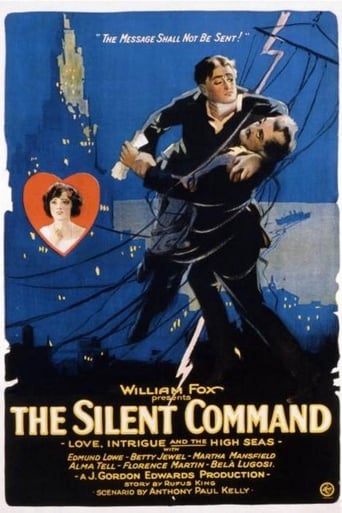
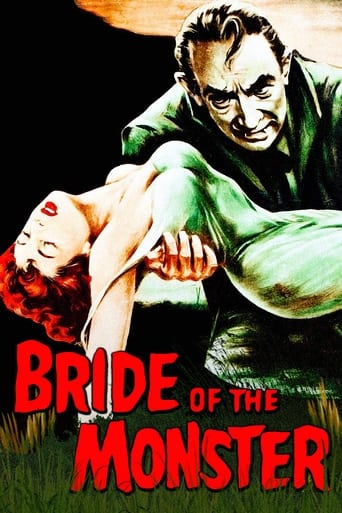
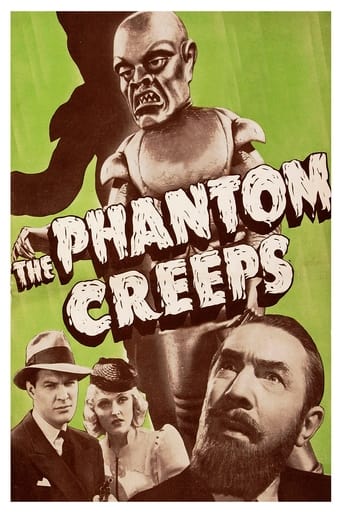
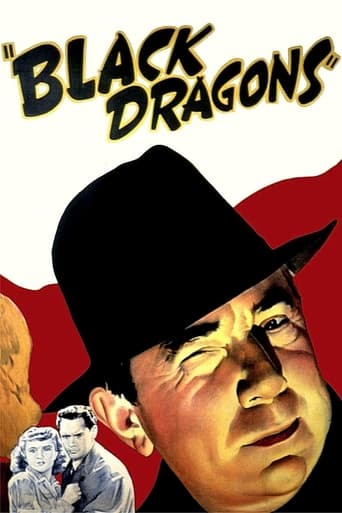
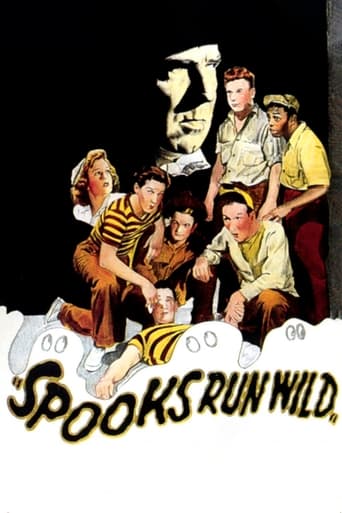
About Bela Lugosi
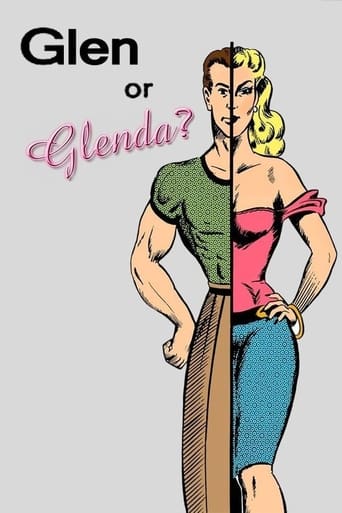
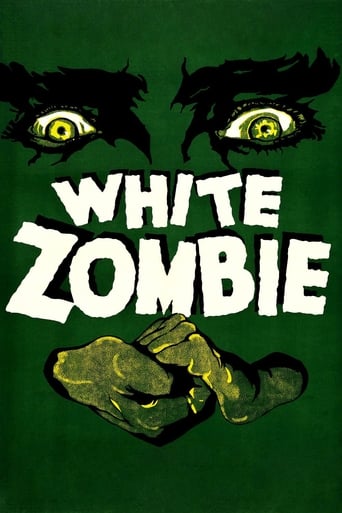
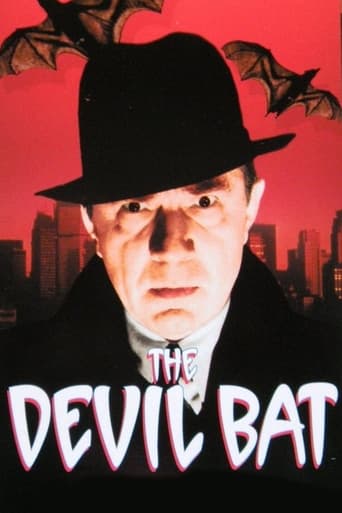
Béla Ferenc Dezső Blaskó, known professionally as Bela Lugosi, was a Hungarian-American actor who became one of cinema's most horror figures. He began his acting career on the Hungarian stage before serving in World War I, after which he emigrated to the United States in 1920. Lugosi made his American film debut in the silent era, appearing in films like 'The Deerslayer' (1920) and 'The Silent Command' (1923), but it was his Broadway performance in the stage adaptation of 'Dracula' that launched him to stardom. His definitive portrayal of Count Dracula in the 1931 Universal film adaptation cemented his place in horror cinema history, though it also led to typecasting that would dominate his career. Throughout the 1930s and 1940s, he appeared in numerous horror films including 'White Zombie' (1932), 'Murders in the Rue Morgue' (1932), and 'The Raven' (1935), often collaborating with fellow horror icon Boris Karloff. Despite his fame, Lugosi struggled with typecasting and drug addiction, leading to declining career prospects and participation in low-budget films. His career experienced a brief revival when director Ed Wood cast him in 'Glen or Glenda' (1953) and 'Bride of the Monster' (1955), though these were critically panned. Lugosi died of a heart attack on August 16, 1956, while still working on Wood's 'Plan 9 from Outer Space,' which would become his posthumous cult classic swan song.
The Craft
On Screen
Lugosi developed a distinctive theatrical acting style characterized by his deep, hypnotic voice with a thick Hungarian accent, intense gaze, and dramatic, exaggerated gestures. His approach was heavily influenced by his European stage training, emphasizing grand, melodramatic performances that worked particularly well in the horror genre. He specialized in creating an atmosphere of menace and otherworldly menace through his deliberate pacing, commanding presence, and ability to convey both aristocratic sophistication and primal terror. Lugosi's physicality was crucial to his success - his tall, gaunt frame, piercing eyes, and expressive hands became trademarks of his horror persona.
Milestones
- Broadway debut in 'The Red Poppy' (1922)
- Starred in stage production of 'Dracula' (1927)
- Landmark film role as Count Dracula (1931)
- First horror film 'White Zombie' (1932)
- Collaboration with Boris Karloff in 'The Raven' (1935)
- Final films with Ed Wood including 'Plan 9 from Outer Space' (1959)
Best Known For
Iconic Roles
Must-See Films
Accolades
Special Recognition
- Hollywood Walk of Fame star (1960, posthumous)
- Inducted into the Horror Hall of Fame (1975)
- Featured on US postage stamp (1997) as part of 'Classic Movie Monsters' series
Working Relationships
Worked Often With
Studios
Why They Matter
Impact on Culture
Bela Lugosi's portrayal of Count Dracula fundamentally shaped the modern vampire archetype and established the visual and behavioral template for cinematic vampires that persists to this day. His distinctive interpretation - combining aristocratic elegance with predatory menace - created a cultural icon that transcended cinema to influence literature, theater, and popular culture at large. Lugosi's image became synonymous with Halloween and horror culture, with his likeness appearing on countless products, posters, and merchandise. His struggle against typecasting while embracing his horror legacy made him a complex figure in Hollywood history, representing both the opportunities and limitations of genre stardom. The posthumous cult following of his later Ed Wood films elevated him to an ironic cult status, with 'Plan 9 from Outer Space' being celebrated as 'the worst film ever made,' thereby cementing Lugosi's unique place in American popular culture.
Lasting Legacy
Lugosi's legacy endures through his indelible impact on horror cinema and popular culture, with his Dracula remaining. He pioneered the horror film genre as a viable commercial category in Hollywood, paving the way for subsequent horror stars like Boris Karloff, Christopher Lee, and Vincent Price. His distinctive acting style and persona influenced generations of actors in the horror genre, while his life story - from European stage star to Hollywood icon to cult figure - has become a cautionary tale about the perils of typecasting and addiction in show business. The 1994 Tim Burton film 'Ed Wood' brought renewed attention to Lugosi's later career, earning Martin Landau an Academy Award for his portrayal of Lugosi and introducing the actor to a new generation. Today, Lugosi is celebrated not just as a horror icon but as a complex artist whose contributions to cinema continue to be studied and appreciated by film scholars and fans worldwide.
Who They Inspired
Lugosi's influence extends far beyond his filmography, impacting the very language and visual vocabulary of horror cinema. His method of creating atmosphere through voice and movement became a template for horror actors, while his specific portrayal of Dracula established the accent, mannerisms, and visual style that would define vampires in popular culture for decades. His theatrical approach influenced the development of gothic horror as a cinematic genre, with directors and actors studying his techniques for creating suspense and terror. The tragic aspects of his career - typecasting, addiction, and decline - have also influenced how Hollywood views and treats genre actors, serving as a reminder of both the opportunities and limitations of stardom. Contemporary horror performers from Robert Englund to Adam Sandler (in his 'Hotel Transylvania' voice work) have drawn inspiration from Lugosi's distinctive style and persona.
Off Screen
Lugosi's personal life was marked by five marriages, struggles with morphine addiction, and financial difficulties despite his fame. He married his first wife, Ilona Szmick, in Hungary in 1917, with whom he had a son, Bela George Lugosi. After emigrating to America, he married four more times, including to actress Beatrice Weeks, whose affair with actor John Gilbert led to their highly publicized divorce. His longest marriage was to Lillian Arch, with whom he remained from 1933 to 1953. Lugosi became addicted to morphine after receiving it for war injuries and later chronic pain, which significantly impacted his career and personal relationships. Despite his iconic status, he struggled financially in his later years, often accepting roles in low-budget productions out of necessity.
Education
Attended school in Lugos, Hungary; studied at the Academy of Performing Arts in Budapest; received formal theatrical training in Hungary
Family
- Ilona Szmick (1917-1920)
- Beatrice Weeks (1929-1929)
- Anne Kremers (1931-1933)
- Lillian Arch (1933-1953)
- Hope Lininger (1955-1956)
Did You Know?
- Was originally offered the role of the Monster in 'Frankenstein' (1931) but refused because he felt the role had no dialogue
- Spoke five languages fluently: Hungarian, German, English, Italian, and French
- Was buried wearing his Dracula cape at his request
- His son Bela George Lugosi appeared as a child actor in some of his father's films
- Was a founding member of the Screen Actors Guild
- Once performed a stage version of 'Dracula' 332 times in one year
- His famous line 'I am Dracula' was ad-libbed during screen tests
- Received a star on the Hollywood Walk of Fame four years after his death
- His image appeared on the cover of The Beatles' 'Sgt. Pepper's Lonely Hearts Club Band' album
- Was paid $500 per week for 'Dracula' while co-star Dwight Frye earned only $150
In Their Own Words
I am Dracula. I bid you welcome.
Listen to them. Children of the night. What music they make.
To die, to be really dead, that must be glorious.
There are far worse things awaiting man than death.
I have crossed oceans of time to find you.
The blood is the life!
Frequently Asked Questions
Who was Bela Lugosi?
Hungarian-American with credits in this catalog. He became one of cinema's most recognizable horror stars, though his career was marked by typecasting and personal struggles with addiction.
What films is Bela Lugosi best known for?
Titles linked here include Dracula (1931), White Zombie (1932).
When was Bela Lugosi born and when did he die?
Born October 20, 1882; died August 16, 1956.
What awards did Bela Lugosi win?
Despite his iconic status, Lugosi received no major awards during his lifetime. He was posthumously honored with a Hollywood Walk of Fame star in 1960 and inducted into the Horror Hall of Fame in 1975.
What was Bela Lugosi's acting style?
Lugosi developed a distinctive theatrical style characterized by his deep Hungarian accent, intense gaze, and dramatic gestures. His European stage training influenced his melodramatic approach, which worked perfectly for horror roles requiring both aristocratic sophistication and menacing presence.