


Spooks Run Wild
"1941 film by Phil Rosen"
Keys: Space play/pause · ←/→ 10s · F fullscreen · M mute · </> speed
About this film
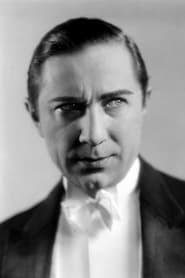
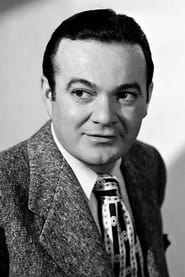
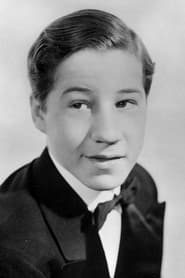
American horror comedy film and the seventh film in the East Side Kids series. It stars Bela Lugosi with Leo Gorcey, Bobby Jordan and Huntz Hall.
Cast & crew
More Comedy films
View all →






More from Phil Rosen
View all →
More about this film
About the production
Release dateOctober 24, 1941
BudgetApproximately $75,000
Box officeUnknown, but modest for a B-movie of the era
ProductionMonogram Pictures
Filmed inMonogram Pictures Studio, Los Angeles, California
This was one of nine films Bela Lugosi made for Monogram Pictures during his career decline period. The film was shot in just 7 days on a very tight budget, typical of Monogram's B-movie production schedule. The haunted house sets were reused from previous Monogram productions to save costs. The East Side Kids were under contract to Monogram and were appearing in multiple films per year during this period.
Themes
Patriotism vs. Foreign ThreatsComing of AgeCourage in the Face of FearFriendship and LoyaltyAppearances vs. Reality
Themes & topics
haunted houseNazi spiesjuvenile delinquentsmagiciansummer campsecret passagesmistaken identitypatriotismcomedy-horrorBrooklyn
Historical background
Contemporary records classify Spooks Run Wild (1941) as 1941 film by phil rosen, placing it within World War II and immediate postwar filmmaking.
Why this film matters
Spooks Run Wild (1941) helps trace genre evolution, performer careers, and the material conditions of sound exhibition.
Making of
The production was typical of Monogram Pictures' efficient B-movie factory system. Director Phil Rosen was a prolific filmmaker who could deliver a completed picture on schedule and under budget. Lugosi, despite his star status from the 1930s, was willing to work in these low-budget productions due to financial difficulties and declining offers from major studios. The East Side Kids had a reputation for being difficult on set, often improvising dialogue and causing delays, but they were professional enough to complete filming within the tight schedule. The haunted house effects were achieved through simple stagecraft techniques like secret panels, trap doors, and basic camera tricks rather than expensive special effects. The chemistry between Lugosi and the boys was genuine, with the horror legend reportedly enjoying working with the young actors and treating them with kindness despite their rowdy reputation.
What critics said
Retrospective notes on Spooks Run Wild emphasize its value as a period production rather than blockbuster reception.
Did you know?
- This was the first of three films Bela Lugosi made with the East Side Kids, followed by 'Ghosts on the Loose' (1943) and 'Voodoo Man' (1944).
- The film was released just weeks before the Pearl Harbor attack, making its Nazi spy subplot particularly timely.
- Bela Lugosi was paid $2,500 for his role, a fraction of what he commanded during his Universal horror heyday.
- The East Side Kids evolved from the Dead End Kids, who had appeared in films like 'Angels with Dirty Faces' (1938).
- Leo Gorcey's character Muggs McGinnis was known for his malapropisms and distinctive Brooklyn accent.
- The film's title was changed from 'The East Side Kids Meet the Monster' to 'Spooks Run Wild' to emphasize the comedy elements.
- Despite being classified as a horror film, there are no actual supernatural elements - all the 'haunting' is revealed to be staged.
- This was one of the few times Lugosi played a heroic character rather than a villain during his later career.
- The film was so successful that it led to a whole subgenre of East Side Kids horror-comedies.
- Bobby Jordan, who played Danny, was the only original Dead End Kid to stay with the series through all its incarnations.
Visual style
The cinematography by Jack Greenhalgh utilized dramatic lighting techniques typical of horror films, including deep shadows and high contrast lighting to create the haunted house atmosphere. The camera work was straightforward and functional, as was common in low-budget productions of the era, but effectively captured the spooky ambiance through careful use of light and shadow. Greenhalgh made good use of the limited sets, creating visual interest through creative angles and movement during chase sequences and discovery scenes. The black and white photography enhanced the gothic elements of the haunted house setting.
Innovations
While not technically innovative, the film demonstrated effective use of limited resources. The production team created impressive haunted house effects using simple techniques like smoke machines, secret panels, and creative lighting. The film's pacing, achieved through tight editing, kept the story moving despite the low budget. The integration of horror and comedy elements required careful timing and editing to maintain both suspense and humor, which the film achieved successfully. The use of existing sets and props from previous productions was an economical solution that still delivered the desired atmosphere.
Music
The musical score was composed by Lee Zahler, Monogram Pictures' house composer who created music for hundreds of B-movies. The soundtrack featured typical horror film motifs with dramatic stings during scary moments and lighter, comedic themes for the East Side Kids scenes. Zahler effectively blended these contrasting styles to support the film's dual nature as both horror and comedy. The music was recorded with a small orchestra, typical for low-budget productions, but Zahler's experience allowed him to create effective atmospheric music despite limited resources. The score also included patriotic musical elements during the film's climax to emphasize the wartime themes.
Famous quotes
Muggs McGinnis: 'I ain't afraid of no spooks! I'm from Brooklyn, see?'
Nardo: 'The eyes can be deceived, but the heart knows the truth.'
Danny: 'Maybe this house ain't haunted, maybe it's just... broken.'
Muggs: 'When I get my hands on whoever's playin' these tricks, I'll... I'll... I'll think of somethin'!'
Glimpy: 'I don't like this place. It gives me the creeps... and I don't have far to creep!'
Memorable scenes
- The opening scene where the East Side Kids cause chaos on the bus to summer camp, establishing their characters and dynamic.
- The first appearance of Bela Lugosi as Nardo the magician, dramatically appearing from behind a curtain with his cape flowing.
- The scene where the boys explore the haunted house at night, encountering strange noises and moving objects, creating genuine suspense.
- The discovery of the secret passage behind the bookshelf, revealing the house's hidden mysteries.
- The climactic confrontation where the boys help Nardo capture the Nazi spies, combining action and patriotic themes.
What audiences thought
The film was popular with its target audience of teenagers and families, becoming one of the more successful East Side Kids entries. Audiences enjoyed the combination of spooky atmosphere, comedy, and the familiar chemistry of the gang. Lugosi's presence was a major draw, bringing horror fans to see what was essentially a juvenile delinquent comedy. The film's modest success at the box office led to two more collaborations between Lugosi and the East Side Kids. Modern audiences discover the film through revival screenings and home video releases, where it's appreciated as a nostalgic piece of 1940s cinema and a showcase of Lugosi's later career work.
Film connections
Influenced by
- The Dead End Kids film series
- Universal horror films of the 1930s
- Abbott and Costello comedy films
- The Maltese Falcon (for the mystery elements)
- Gangster films of the 1930s
This film influenced
- Ghosts on the Loose (1943)
- Voodoo Man (1944)
- Abbott and Costello Meet Frankenstein (1948)
- The Bowery Boys horror films
- Later teen horror-comedies of the 1950s
Film restoration
The film is preserved in the Library of Congress collection and has survived in good quality. Multiple 35mm prints exist in archives, and the film has been transferred to digital formats. The film entered the public domain due to copyright renewal issues, which has led to numerous home video releases of varying quality. The most recent restorations have cleaned up the image and sound while maintaining the original theatrical presentation.
Where to watch
- Public domain streaming platforms like Internet Archive
- DVD releases from various public domain distributors
- Classic movie streaming services specializing in public domain films
- YouTube (multiple uploads of varying quality)
- Tubi (free streaming with ads)
- Pluto TV (occasionally featured in classic film rotations)