Dave O'Brien
Actor
Born: May 31, 1912 in Big Rapids, Michigan, USA Died: November 8, 1983 Active: 1936-1983 Birth Name: David Poole Fronabarger
Films
5 films
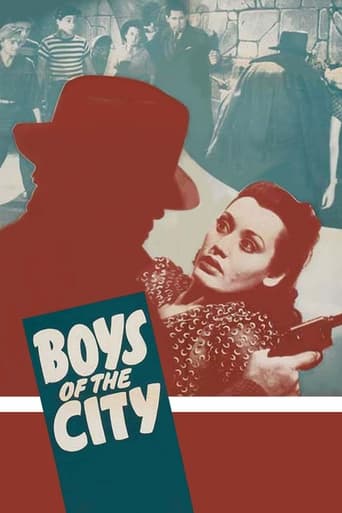
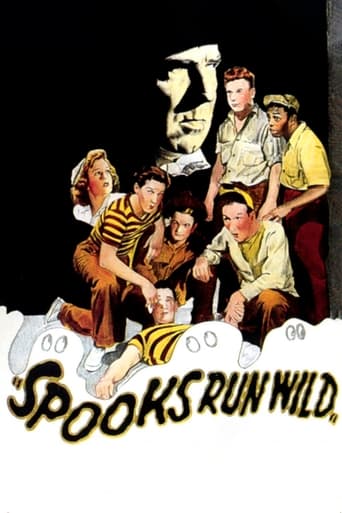
About Dave O'Brien
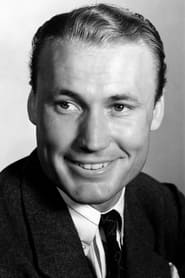
American actor, writer, director, and later television personality best remembered today as a familiar face in low-budget Hollywood genre pictures and comedy shorts of the 1930s and 1940s. Born in 1912, he entered the film business during the early sound era and built a career out of energetic, quick-talking performances that made him a reliable presence in crime films, horror pictures, westerns, and comic adventures. He worked steadily at major and minor studios alike, appearing in notable films such as Tell Your Children, The Devil Bat, Boys of the City, Spooks Run Wild, and Bowery at Midnight, which reflect his range in both exploitation cinema and popular series films. O'Brien also became known for portraying costumed or recurring characters in serial-like fare and for contributing behind the camera as a writer and director, especially in low-budget productions. His career was rooted in the practical world of Poverty Row filmmaking, where versatility, efficiency, and comic timing were essential, and he often delivered memorable support performances even in modest productions. He remained active through the 1940s and later transitioned into television and other entertainment work, leaving behind a body of work that has kept him of interest to fans of classic horror and B-movie history.
The Craft
On Screen
Dave O'Brien's acting style was brisk, lively, and highly functional in the best sense of classic B-movie performance. He specialized in fast-moving dialogue, expressive reactions, and approachable everyman characterization, which made him well suited to comedies, crime pictures, and horror films where momentum mattered more than polish. He often played hard-working, slightly harried, or comic-support figures who helped anchor ensemble stories, and his presence typically brought a level of wit and energy to otherwise modest productions. Rather than overt star vanity, his screen persona depended on timing, clarity, and adaptability, allowing him to fit comfortably into both straight and satirical material.
Milestones
- Began screen work in the early sound era and became a steady supporting player in low-budget Hollywood productions
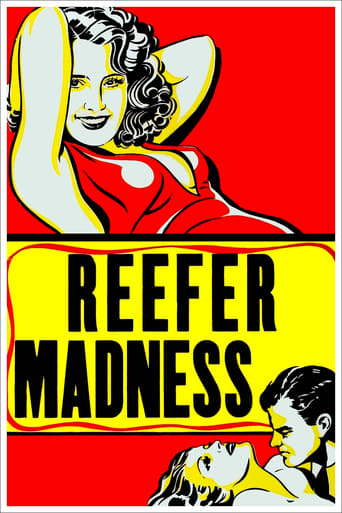
- Appeared in Tell Your Children (1936), later infamous as one of the best-known anti-marijuana exploitation films of the era
- Built a strong reputation in Monogram and other Poverty Row productions, especially horror, crime, and comedy features
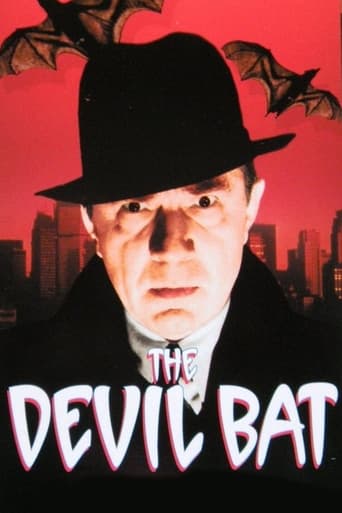
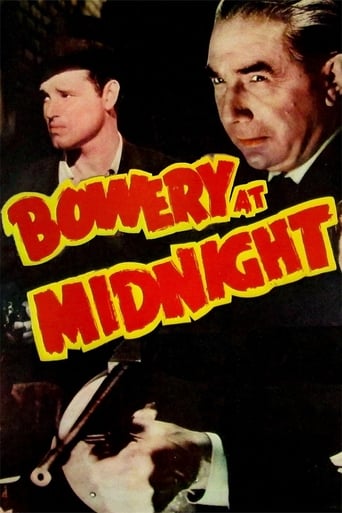
- Appeared in cult favorites The Devil Bat (1940), Spooks Run Wild (1941), and Bowery at Midnight (1942)
- Worked both in front of and behind the camera, adding writing and directing credits to his acting career
- Stayed active into later decades, extending his career beyond the classic studio era into television-era entertainment
Best Known For
Iconic Roles
Must-See Films
Working Relationships
Worked Often With
Studios
Why They Matter
Impact on Culture
Dave O'Brien's cultural importance lies in his embodiment of the dependable, versatile supporting player who helped define the texture of American B-movies. While not a major star in the prestige sense, he was part of the fabric of classic genre cinema, appearing in pictures that have since become staples of midnight screenings, repertory programming, and cult-film scholarship. His association with films like The Devil Bat and Spooks Run Wild places him within the enduring history of early horror and exploitation cinema, genres that later gained significant critical and fan attention. O'Brien also represents the many working actors whose performances helped make low-budget studio output watchable, lively, and memorable, even when the films themselves were made quickly and inexpensively. His career demonstrates how classic Hollywood was sustained not only by marquee names but by reliable character performers who understood the demands of popular entertainment.
Lasting Legacy
O'Brien's lasting legacy is strongest among fans and historians of vintage horror, comedy shorts, and Poverty Row production. He remains a recognizable figure in the subculture of cult cinema because his films continue to circulate on television, home video, and streaming platforms, often introducing new viewers to the energetic style of early low-budget genre filmmaking. His work in both acting and directing also makes him representative of a generation of multi-skilled studio craftsmen who moved fluidly among creative jobs as the industry demanded. Though not widely honored during his lifetime with major mainstream awards, he has endured as a valued archival presence in classic-cinema scholarship. His name is often encountered by viewers exploring Bela Lugosi vehicles, exploitation films, and early anti-drug programming, where his performances contribute to the period flavor and historical fascination of the material.
Who They Inspired
O'Brien influenced later generations less through stardom than through example: he demonstrated how a character actor could sustain a long career by being adaptable, professional, and genre-savvy. His work helped establish the performance vocabulary of the B-movie supporting player, especially in horror and comedy films that depended on rapid-fire reactions and an accessible screen persona. Modern cult actors and genre performers often follow a path similar to his, moving among independent productions, recurring ensemble casts, and occasional behind-the-scenes work. He also helped preserve the tradition of the multi-talented studio journeyman, someone who could act, write, and direct as needed. In that sense, his influence is embedded in the working methods of low-budget American cinema rather than in a single iconic star turn.
Off Screen
Dave O'Brien was born David Poole Fronabarger in Michigan and later adopted the professional name under which he became known in film and television. Publicly available biographical details about his private life are comparatively limited, which is common for many character players and multi-hyphenate craftsmen from the Poverty Row era. He married and had family life outside the limited surviving publicity records, but the details are not consistently documented in standard film references. His legacy is therefore grounded more in his professional output than in celebrity-era personal publicity. He is remembered primarily as a working Hollywood professional who navigated acting, writing, and directing across several decades.
Education
Detailed educational records are not widely documented in standard classic-film references; he is primarily known through his professional film work rather than formal schooling history.
Did You Know?
- He was born David Poole Fronabarger and used Dave O'Brien as his professional screen name.
- He is closely associated with the 1936 anti-drug film Tell Your Children, later widely known by the title Reefer Madness.
- He appeared in several cult horror titles with Bela Lugosi, helping define his modern reputation among genre fans.
- His career is a good example of a classic Hollywood multi-hyphenate who worked as actor, writer, and director.
- Many of his best-remembered films were made at Monogram or similar low-budget studios.
- He was especially active in the early 1940s, a peak period for horror-comedy and programmer features.
- Because many of his films were made quickly and cheaply, he became a familiar face rather than a top-billed star, which is part of his cult appeal.
- His later career extended beyond the Golden Age era, showing unusual longevity for a Poverty Row performer.
Frequently Asked Questions
Who was Dave O'Brien?
American actor, writer, and on YTB.my. He was not a major studio star, but he became a familiar and dependable presence in classic B-movies and cult films.
What films is Dave O'Brien best known for?
Titles linked here include Tell Your Children (1936), The Devil Bat (1940).
When was Dave O'Brien born and when did he die?
Born May 31, 1912; died November 8, 1983.
What awards did Dave O'Brien win?
There are no widely documented major industry awards or Oscar nominations associated with Dave O'Brien. His reputation rests instead on his steady working career, his genre-film appearances, and his later cult reputation.
What was Dave O'Brien's acting style?
His acting style was energetic, quick, and highly adaptable, which suited the fast pace of low-budget Hollywood productions. He often played practical, slightly comic, or everyman characters and was valued for clear timing and scene-moving efficiency.
Was Dave O'Brien also a director or writer?
Yes, he worked not only as an actor but also as a writer and director. His behind-the-camera work fits the pattern of many studio-era journeymen who took on multiple jobs in the low-budget film world.
What is Dave O'Brien's legacy in film history?
His legacy is that of a classic supporting performer who helped make early horror and Poverty Row films entertaining and memorable. He remains of interest to historians and fans because his work captures the look, pace, and personality of B-movie Hollywood.