
Boys of the City
"Street kids get sent to the country, where they get mixed up in murder and a haunted house."
Keys: Space play/pause · ←/→ 10s · F fullscreen · M mute · </> speed
About this film
Street kids are sent to the country for fresh air, then stumble into murder and a haunted house they must unravel.
Cast & crew
More films like this
More Comedy films
View all →







More from Joseph H. Lewis
View all →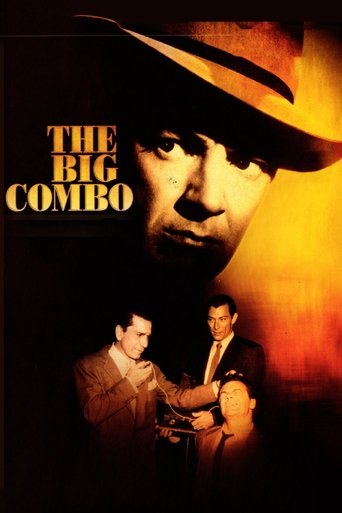
More about this film
About the production
Release dateJune 2, 1940
ProductionMonogram Pictures
Filmed inMonogram Pictures Studio, Los Angeles, California
This was the first film in the series to be officially titled as 'East Side Kids' rather than 'Dead End Kids,' marking a transition in the franchise. The haunted house set was reused from several previous Monogram productions. Director Joseph H. Lewis, then early in his career, brought a distinctive visual style to what could have been a routine programmer, using dramatic lighting and camera angles to enhance the mystery elements.
Themes
Themes & topics
haunted housemurder mysterystreet kidssummer vacationhidden treasurefalse accusationsgang of kidscountry estatesupernaturalcomedy thriller
Historical background
Made in 1940, in United States, under Joseph H. Lewis, Boys of the City belongs to comedy thriller filmmaking as studio systems and national cinemas competed for audiences. Boys of the City is a 1940 black-and-white comedy/thriller film directed by Joseph H.
Why this film matters
Within comedy thriller history, Joseph H. Lewis's name attaches to the work; 1940 film by Joseph H. Lewis; Lewis..
Making of
The production was typical of Monogram Pictures' efficient approach to B-movie filmmaking. Joseph H. Lewis, though new to directing, had extensive experience as an editor and brought a technical precision to the film that elevated it above typical programmers. The young cast, many of whom had been acting together since their Broadway origins in 'Dead End,' had developed natural chemistry that translated well to screen. The haunted house sequences were shot on existing sets to save money, but Lewis used creative camera work and lighting to create genuine suspense. The cast often ad-libbed dialogue, particularly Leo Gorcey whose malapropisms became a signature element of the series. The film's success surprised the studio, leading to a long-running franchise that would continue through the 1940s.
What critics said
Contemporary reviews of Boys of the City are sparse in open sources; later catalog entries chiefly summarize plot and credits.
Did you know?
- This was Joseph H. Lewis's directorial debut, launching his career that would later include film noir classics like 'Gun Crazy' and 'The Big Combo'.
- The film marked the official transition from the 'Dead End Kids' to the 'East Side Kids' branding, though many of the same actors appeared.
- Leo Gorcey's character 'Muggs' would become the central figure in the East Side Kids series for years to come.
- The haunted house elements were inspired by the success of Universal's horror films, though this was more of a mystery with comedy.
- Bobby Jordan was one of the few actors to appear in the Dead End Kids, East Side Kids, and later the Bowery Boys series.
- The film was shot in just 11 days, typical of Monogram's rapid production schedule.
- Despite the title, only a few scenes actually take place in New York City; most of the film is set in the countryside.
- This was one of the few East Side Kids films to incorporate genuine mystery/thriller elements rather than pure comedy.
- The success of this film led to Monogram greenlighting more East Side Kids pictures, eventually totaling over 20 films.
- Hal E. Chester, who plays 'Scruno,' would later become a successful film producer.
Visual style
Joseph H. Lewis, working with cinematographer Marcel Le Picard, brought a distinctive visual style to this low-budget production. The haunted house sequences feature dramatic low-angle shots and extensive use of shadows to create atmosphere, techniques that would later become hallmarks of Lewis's film noir work. The camera often follows the characters through dark corridors using tracking shots that enhance the sense of movement and tension. Lewis employs high-contrast lighting, particularly in the mystery scenes, to create visual interest despite the limited budget. The countryside scenes are shot with brighter, more naturalistic lighting to contrast with the gothic elements of the haunted house. The film's visual style elevates it beyond typical Monogram productions, showcasing Lewis's emerging directorial voice.
Innovations
While 'Boys of the City' was a modest B-movie production, it showcased several technical innovations that would become more prominent in later films. Joseph H. Lewis employed creative camera movements, including tracking shots that follow characters through the haunted house, creating a sense of immersion unusual for low-budget films of the era. The production team made effective use of existing sets and minimal lighting to create atmospheric scenes, demonstrating resourcefulness within budget constraints. The film's sound design, particularly in the haunted house sequences, uses off-screen noises and echo effects to enhance the supernatural elements. The editing rhythm, likely influenced by Lewis's background as an editor, creates tension during mystery scenes while maintaining comedic timing in lighter moments. These technical elements helped elevate the film above typical programmers and hinted at Lewis's future achievements as a visual stylist.
Music
The film's music was composed by Edward J. Kay, Monogram Pictures' house composer who scored hundreds of B-movies. The score effectively blends playful, comedic themes for the kids' antics with more suspenseful, atmospheric music for the mystery sequences. Kay uses recurring leitmotifs for different characters and situations, a sophisticated approach for a low-budget production. The haunted house scenes feature dissonant strings and minor key progressions to create tension, while the outdoor scenes employ lighter, more pastoral melodies. The soundtrack includes several diegetic musical moments, with the characters singing or whistling, which adds to the film's entertainment value. While not groundbreaking, the music effectively supports the film's dual nature as both comedy and mystery.
Famous quotes
Muggs: 'I ain't afraid of no ghosts!' (said while visibly trembling)
Scruno: 'Maybe it's not a ghost, maybe it's just somebody playin' tricks on us.'
Danny: 'You guys are always lookin' for trouble, and you always find it.'
Muggs: 'When you're from the East Side, you learn to take care of yourself.'
Peewee: 'I don't like this place. It's too quiet.'
Memorable scenes
- The scene where the East Side Kids first explore the haunted house, using flashlights to navigate dark corridors while strange noises echo around them, perfectly blending comedy and genuine suspense. The sequence where they discover the secret passage behind the bookshelf, revealing the hidden truth about the 'haunting.' The climactic confrontation in the mansion's ballroom where the kids use their street smarts to trap the real killer, turning the tables on the villain who had been terrorizing them.
What audiences thought
The film was well-received by its target audience of young moviegoers and families looking for affordable entertainment. Its success at the box office surprised Monogram Pictures executives and led to the immediate commissioning of additional East Side Kids films. Audiences particularly enjoyed the chemistry between the cast members and the blend of humor with spooky elements. The film's brisk pace and 64-minute runtime made it ideal for double bills, which were common in theaters of the era. Many contemporary viewers wrote fan letters to the studio expressing enthusiasm for the characters and requesting more adventures. The film's reception demonstrated that there was a substantial market for youth-oriented entertainment that balanced comedy with mild thrills, a formula that would be replicated throughout the East Side Kids series.
Film connections
Influenced by
- Dead End (1937)
- Angels with Dirty Faces (1938)
- The Ghost Breakers (1940)
- The Old Dark House (1932)
This film influenced
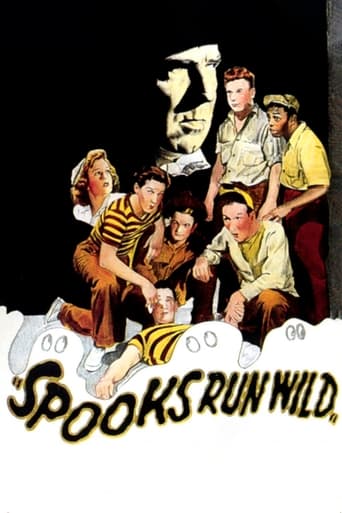
- Spooks Run Wild (1941)
- Ghosts on the Loose (1943)
- The Bowery Boys Meet the Monsters (1954)
- The Monster Squad (1987)
Film restoration
The film survives in good quality and has been preserved through various home media releases. It entered the public domain in the United States, which has led to its availability on multiple platforms and inclusion in various public domain collections. The film has been digitally restored for several DVD releases, maintaining good image and sound quality considering its age and original production budget.
Where to watch
- Public domain archives
- YouTube (multiple uploads)
- Internet Archive
- Various DVD collections of East Side Kids films
- Classic film streaming services specializing in public domain content